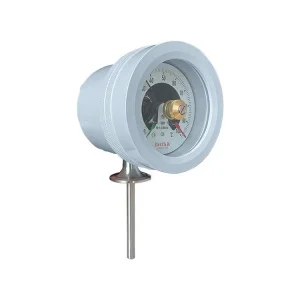
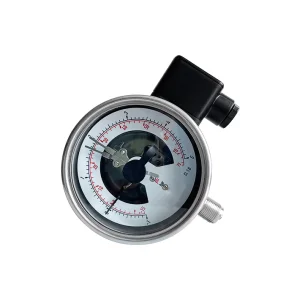
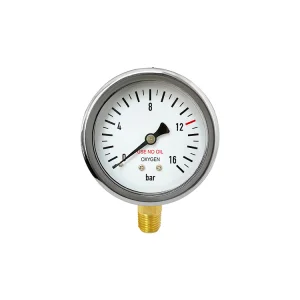
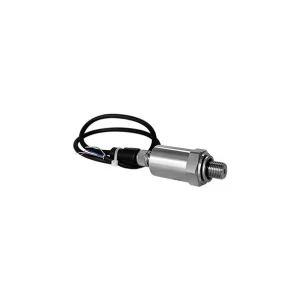
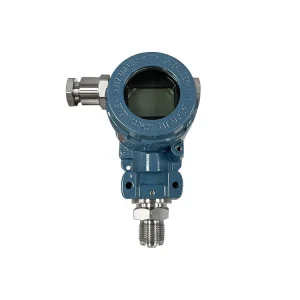
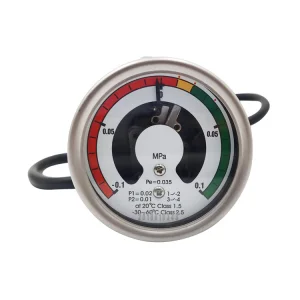
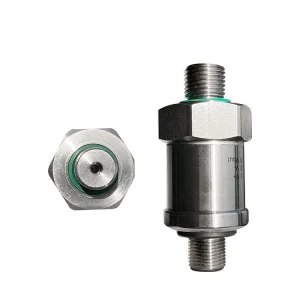
Explore our core OEM-grade portfolio engineered for mission-critical processing environments, extreme environments, and automated continuous measurement applications.
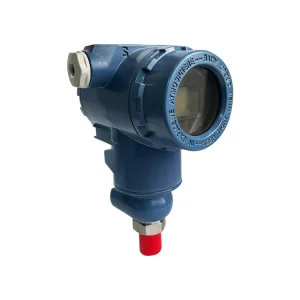
In modern industrial process automation, differential, absolute, and gauge pressure measurement represent the fundamental inputs for flow metering, liquid level monitoring, and safety shutdown systems (SIS). The 3051 pressure transmitter platform stands as the undisputed global engineering standard due to its coplanar flange flexibility, micro-electro-mechanical systems (MEMS) capacitance sensor integration, and exceptional long-term stability.
A 3051 pressure transmitter functions by converting fluid-applied hydraulic forces into digital electrical signals. Media pressure flexes an isolating diaphragm, transferring hydraulic fluid to a central sensing diaphragm. The resulting deflection changes the capacitance across internal cell plates, which high-speed microprocessor circuitry converts into standard 4-20mA DC loops or digital fieldbus communication standard protocols such as HART®, Foundation™ Fieldbus, or PROFIBUS® PA.
By eliminating traditional process flange adapters, coplanar designs reduce potential leak paths by up to 50%. This structure allows direct mounting to 2-valve, 3-valve, and 5-valve manifolds, optimizing space in high-density processing skids.
Advanced piezoresistive and capacitive sensors achieve up to ±0.065% span accuracy as standard, with high-accuracy options reaching ±0.04% of calibrated span. Installed stability reaches ±0.125% of Upper Range Limit (URL) for 10 consecutive years.
Designed in compliance with IEC 61508 standards for functional safety. Microprocessor-driven self-diagnostics continuously monitor sensor cell health, internal electronics temperature, and loop voltage parameters.
The global industrial pressure transmitter market exceeds $3.2 Billion USD annually, driven by energy transition initiatives, pharmaceutical automation, continuous mining operational upgrades, and municipal wastewater modernizations. The 3051 form-factor represents over 35% of all installed differential and inline process transmitter units worldwide.
| Global Region | Primary Industrial Drivers | Predominant Technical Specifications Required | Regulatory & Certification Requirements |
|---|---|---|---|
| North America | Shale Gas Extraction, Petrochemical Refining, Water Treatment | 1/2" NPT Conduit Connections, 316L SS & Hastelloy C-276 Wetted Parts, HART 7 Protocol | FM Approvals, CSA, SIL-2/3 Functional Safety |
| Europe (EMEA) | Green Hydrogen Plants, Offshore Wind Platform Utilities, Chemical Processing | G1/2" or Flanged Process Connections, Low Power Electronics, WirelessHART Integration | ATEX Zone 0/1/2, IECEx, CE Mark, PED (Pressure Equipment Directive) |
| Asia-Pacific (APAC) | Power Generation, Semiconductor Ultrapure Water, Heavy Manufacturing | High Overpressure Limits, High Temperature Remote Seals, Compact Direct-Mount Bodies | NEPSI, ISO 9001:2015, CE, CCC |
| Middle East & LATAM | Upstream Crude Oil Production, Mining Slurry Monitoring, Desalination Plants | Monel / Tantalum Diaphragms, IP67/IP68 Heavy-Duty Dual-Compartment Housings | NACE MR0175 / ISO 15156 Sour Gas Compliance, IECEx |
As global supply chains demand shorter lead times and rigorous cost-to-performance optimization, China's precision instrumentation ecosystem has evolved into a world-class manufacturing hub. Specialized factories leverage automated robotic laser welding, automated oil-filling lines, and multi-stage environmental testing chambers to produce high-precision pressure transmitters at scale.
Factories in precision manufacturing hubs such as Zhejiang integrate localized semiconductor diaphragm sourcing with imported high-purity filling fluids (Silicone 200, Fluorolube®, Inert Oil for Oxygen Service). This provides global buyers with several operational metrics:
Precision pressure instrumentation operates across diverse, hazardous, and high-purity environments. Understanding localized install dynamics ensures long-term operational safety and zero unscheduled downtime.
By measuring differential pressure between the bottom liquid head and top vapor space using a 3051 DP transmitter, process engineers calculate real-time mass and volume in pressurized storage vessels (e.g., LPG tanks, fermentation reactors).
Equipped with remote diaphragm capillary seals (filled with high-temperature silicone or synthetic oil), 3051 units measure pressure in hot media (up to +400°C) such as bitumen processing, crude distillation columns, and chemical reactors.
In high-voltage switchgear installations, specialized SF6 gas density gauges and integrated pressure sensors continuously verify dielectric insulation integrity, preventing catastrophic arc flash hazards in utility power grids.
Pharma and food production lines utilize tri-clamp sanitary 3051 transmitters featuring electropolished Ra < 0.38µm surface finishes, guaranteeing non-contaminating, crevice-free process interfaces compatible with aggressive caustic washdowns.
The field instrumentation market is rapidly shifting from passive signal transmission to intelligent diagnostic nodes. Future-proof 3051 pressure transmitters integrate cutting-edge features:
Modern microprocessors analyze line pressure noise frequencies to detect thermal insulation failure, impulse line plugging, or pump cavitation before mechanical equipment breakdown occurs.
Technicians can configure zero, span, and damping parameters safely from up to 15 meters away using explosion-proof mobile devices, eliminating the need to open hazardous area enclosures in ATEX Zone 1 environments.
Battery-powered 3051 wireless transmitters enable monitoring in remote pipelines and off-grid facilities without expensive signal wiring trenching, offering up to 10-year battery service life.
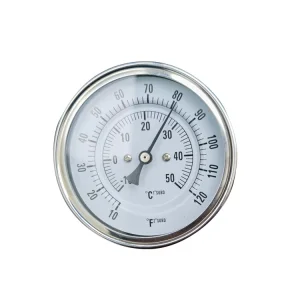
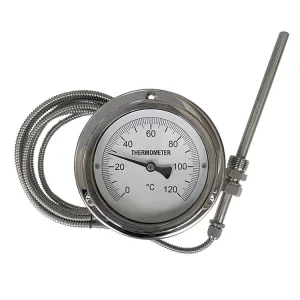
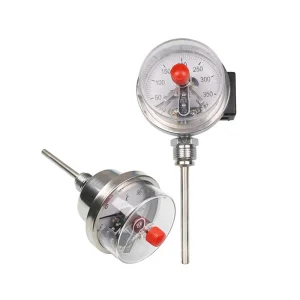
Huzhou Accuracy Instrument Co., Ltd. is professionally engaged in the development, sales, and service of industrial mechanical pressure gauges, bimetal thermometers, SF6 manometers, and advanced pressure sensors. Products are widely deployed across Mechanical Engineering, Chemical Processing, Food & Beverage, Pharmaceutical Automation, and High-Technology Electrical Systems.
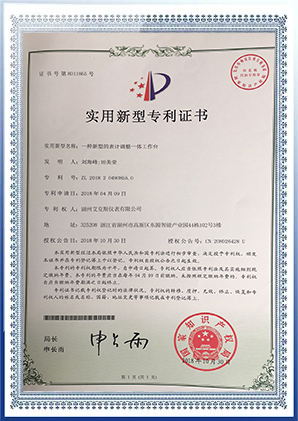
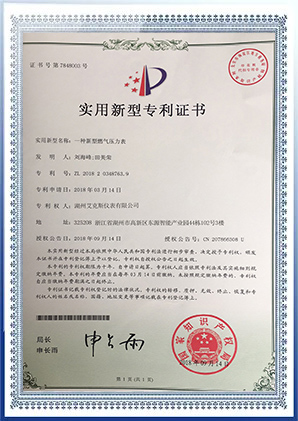
Established over two decades ago, our pressure gauge and transmitter manufacturing facility spans 3,000 square meters, equipped with automated production lines, laser welding cells, and ultra-high-vacuum helium leak detection apparatus. As an industry leader, we combine continuous technical innovation with precision mechanical engineering.
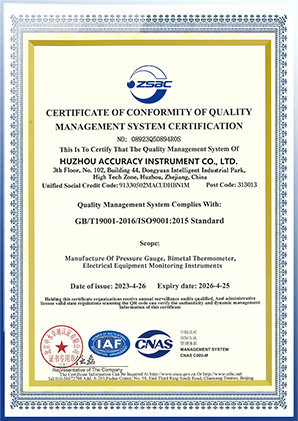
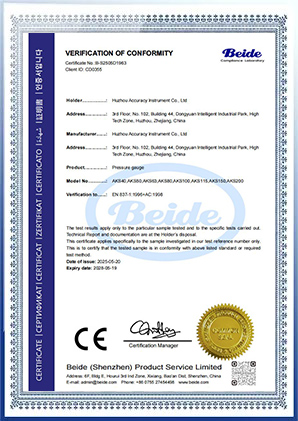
Our quality laboratory subjects 100% of manufactured units to dynamic pressure cycling tests, overpressure stress tests, and environmental temperature chamber simulations. Adhering strictly to ISO 9001 and ISO 17025 laboratory standards, our factory maintains a reputation for zero-leak performance in severe operational environments, backed by a comprehensive one-year factory warranty.
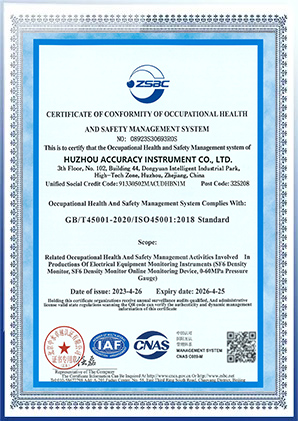
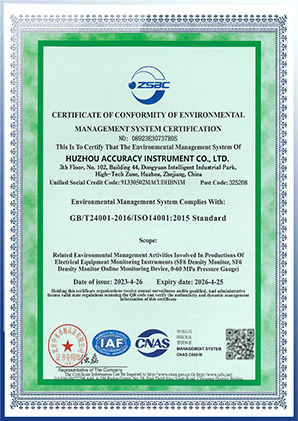
Our operational framework ensures production quality stays above required benchmarks under ISO9001:2008 certified management systems.
When issuing a Request for Quotation (RFQ) for 3051 pressure transmitters and process instrumentation to Chinese manufacturers, engineering procurement managers should specify the following parameters to ensure full site compatibility:
| Specification Parameter | Standard Options | Engineering Selection Criteria |
|---|---|---|
| Measurement Type | Differential (DP), Gauge (GP), Absolute (AP) | Select DP for flow/level; GP for line pressure; AP for low-vacuum distillation. |
| Wetted Diaphragm Material | 316L SS, Hastelloy C-276, Monel 400, Tantalum, Gold-Plated SS | Use Hastelloy/Tantalum for chlorine or strong acids; Monel for seawater/salt environments. |
| Turndown Ratio & Rangeability | 10:1, 50:1, 100:1 | Higher turndown allows one model to cover multiple range spans across plants. |
| Electrical Output / Protocol | 4-20mA HART®, Modbus RTU, Foundation Fieldbus | Match existing plant Distributed Control System (DCS) or PLC input architecture. |
| Hazardous Area Rating | ATEX/IECEx Ex d (Explosion-Proof), Ex i (Intrinsically Safe) | Required for refineries, gas storage, and flammable chemical storage zones. |
Browse our complete catalog of industrial pressure gauges, ceramic transmitters, thin-film transducers, and specialized SF6 density monitors manufactured in our ISO 9001 certified facility.
 Accuracy Instrument