In industrial applications, precise measurements are crucial. Liquid-Filled Pressure Gauges stand out for their reliability and accuracy. According to a recent report by the Pressure Instrumentation Association, these gauges reduce measurement errors in high-vibration environments by up to 40%. This feature makes them invaluable in industries like oil and gas, where precision is essential.
Expert John Smith, a renowned figure in the field, emphasizes, "Liquid-Filled Pressure Gauges provide unparalleled performance under challenging conditions." His insights underline the significance of choosing the right gauge for specific applications. With various options available, users must navigate their choices carefully.
Despite their advantages, some users overlook the importance of regular maintenance. This oversight could lead to inaccuracies over time. Understanding these gauges’ limitations and properly caring for them ensures continued reliable measurements. Reliable data ultimately contributes to better decision-making in critical processes.
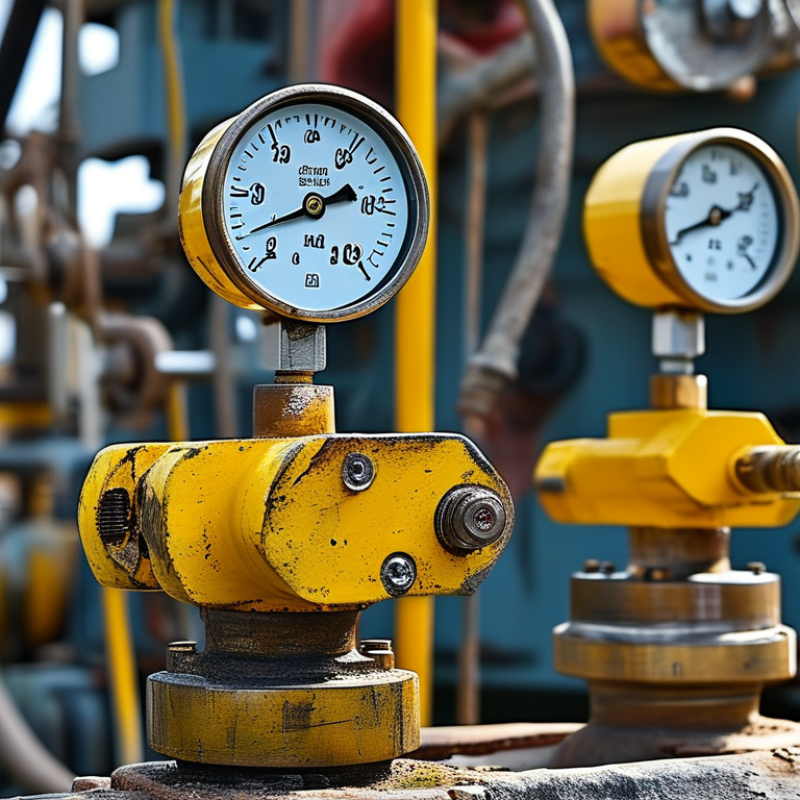
Overview of Liquid Filled Pressure Gauges and Their Applications
Liquid filled pressure gauges are essential tools in various industries for measuring pressure accurately. These gauges contain a liquid, typically glycerin or silicone oil, which dampens vibrations and improves readability. According to industry reports, liquid filled gauges can provide measurements with an accuracy rate of ±1% or better. This enhances reliability in critical applications such as hydraulic systems and pneumatic equipment. Their ability to withstand harsh conditions makes them invaluable in the oil and gas industry.
Applications for liquid filled pressure gauges extend beyond industrial settings. They are frequently utilized in HVAC systems, ensuring that pressure levels remain within specified limits. High-quality gauges can resist shock and minimize wear, prolonging their lifespan. However, improper installation or maintenance can lead to performance issues. It is crucial to regularly check for leaks and ensure calibration remains accurate. Reports indicate that approximately 20% of pressure gauges fail due to lack of proper handling, highlighting the need for ongoing training and awareness in the workplace.
While liquid filled gauges offer many benefits, they are not without limitations. In low-temperature environments, certain liquids may thicken, affecting accuracy. Users often overlook this aspect, leading to potential errors in measurement. An understanding of the operating conditions is vital for selecting the right gauge. Choosing an improperly fitted gauge can compromise safety and result in significant costs. It’s important to balance the advantages of these gauges with their specific limitations for optimal performance.
Advantages of Using Liquid Filled Pressure Gauges for Accurate Measurements
Liquid filled pressure gauges have gained popularity in various industries due to their unique advantages. The liquid filling reduces vibration and minimizes shock, which enhances measurement accuracy. According to industry reports, these gauges can achieve an accuracy of ±1% of full scale, a crucial feature for critical applications. Whether in oil and gas, food processing, or HVAC systems, reliability is vital. With the liquid cushioning, the gauges significantly improve performance in high-vibration environments.
Another key advantage of liquid filled pressure gauges is their durability. The fluid not only protects the internal components from environmental factors but also dampens pressure spikes. This is particularly important in harsh conditions where sudden pressure surges can damage traditional gauges. Data indicates that these gauges can last up to 20% longer compared to their dry counterparts, translating to lower replacement costs for businesses.
However, there are some considerations. In extreme temperatures, the liquid can expand or contract, leading to inaccuracies. Moreover, if the gauge is not properly maintained or if the fluid leaks, it can affect performance. Users must regularly inspect these gauges to ensure ongoing reliability and accuracy. Proper maintenance remains essential to ensure their advantages are fully realized.
Key Features to Consider When Selecting Liquid Filled Pressure Gauges
When selecting liquid filled pressure gauges, accuracy is key. Look for a gauge that offers a robust measurement range suitable for your applications. The range should align with the pressures you expect to encounter. Many low-quality gauges provide less accurate readings and can affect overall system performance. A gauge with a wider range often has a better tolerance, though this can depend on specific usage.
Material choice plays a crucial role in the reliability of the gauge. Stainless steel is commonly preferred due to its durability and resistance to corrosion. However, it’s vital to assess if the gauge can withstand the specific environmental conditions. Understandable limits are often overlooked during selection. Prioritize gauges that indicate potential failure modes, such as overpressure or temperature extremes. The readability of the dial is another consideration. Even the best gauge can fail to convey important data if it’s hard to read.
Finally, consider the liquid filling used in the gauge. Glycerin-filled gauges provide excellent resistance to vibration and provide more stable readings. That said, not all applications require liquid filling, and some users may find it beneficial to assess non-filled alternatives. Evaluating these factors carefully ensures that you select a gauge that meets industry standards and your specific needs.
Top Brands and Models of Liquid Filled Pressure Gauges in 2026
Liquid filled pressure gauges play a crucial role in various industries, ensuring accurate pressure readings in challenging environments. In 2026, several top brands and models stand out for their reliability and performance. These gauges often feature a stainless steel housing, which enhances durability and resistance to corrosion. This design is essential for maintaining accuracy, especially in fluctuating temperatures.
Manufacturers are prioritizing user-friendly features. Many models now include easy-to-read dials and shock-resistant properties. Liquid filling helps dampen vibrations, allowing for clearer measurements. Some gauges even incorporate advanced technology for digital readings, which appeal to technicians and engineers seeking precision. However, it is important to note that not all liquid-filled options perform equally. Users should evaluate their specific application needs before selecting a gauge.
Despite advancements, challenges remain. Liquid filling can be susceptible to temperature changes, which might affect readings. Users often report issues with the accuracy of gauges when the liquid expands or contracts too much. Thus, a thorough understanding of the operating conditions is vital for selecting the right model. Consideration of both liquid type and gauge material can impact overall performance. In this evolving market, staying informed will ensure better choices for accurate measurements.
Maintenance Tips for Ensuring Accuracy of Liquid Filled Pressure Gauges
Maintaining liquid filled pressure gauges is essential for accuracy. Ensuring the gauge is calibrated correctly is a fundamental step. Calibration should be performed regularly to avoid discrepancies. Even small deviations can lead to significant errors in readings. Keep the gauge free from contaminants. Dust and moisture can interfere with the liquid inside, impacting performance.
Another important aspect is checking the mounting position. A gauge positioned incorrectly may not show accurate pressure readings. Regularly inspect for any signs of wear. Look for leaks or cracks in the casing. Such issues may compromise the gauge's integrity. Additionally, the fluid level should be monitored, as it can diminish over time.
Storing the gauge properly is also crucial. Extreme temperatures can alter the properties of the filling liquid. Avoid prolonged exposure to high or low temperatures. Finally, during routine checks, listen for any unusual noises. They might indicate internal damage. These practices contribute to a more reliable measuring tool.
2026 Best Liquid Filled Pressure Gauges for Accurate Measurements
FAQS
: Liquid filled pressure gauges reduce vibration and shock, enhancing measurement accuracy. They offer durability and can last longer than dry gauges.
The liquid cushioning minimizes vibration effects, making these gauges suitable for industries like oil and gas.
Many can achieve an accuracy of ±1% of full scale, crucial for critical applications.
Yes, extreme temperatures can affect liquid expansion. Maintenance is necessary to prevent leaks and ensure accuracy.
Regular calibration and inspection for leaks or cracks are vital. Also, keep them free from moisture and dust.
Stainless steel is preferred due to durability and corrosion resistance. However, ensure it suits your environmental conditions.
Yes, incorrect positioning can lead to inaccurate readings. It’s essential to regularly verify the gauge's position.
Unusual noises could indicate internal damage. Inspect the gauge immediately to assess any potential issues.
Not all applications require liquid filling. Evaluate whether non-filled alternatives may also meet your needs effectively.
A reduced liquid level can compromise accuracy. Regularly monitor and maintain the fluid level for optimal performance.
Conclusion
Liquid-Filled Pressure Gauges are essential tools widely used in various industries for precise pressure measurements. Their unique design, which incorporates a liquid filling, helps dampen vibrations and reduce the effects of temperature fluctuations, resulting in improved accuracy and reliability. The advantages of using Liquid-Filled Pressure Gauges include better performance in harsh environments and prolonged lifespan, making them ideal for applications in oil and gas, chemical processing, and HVAC systems.
When selecting Liquid-Filled Pressure Gauges, it is crucial to consider key features such as the type of liquid used, gauge construction materials, and the range of pressure measurements. To ensure optimal performance, regular maintenance and calibration are necessary, which can further enhance the accuracy of these instruments. By understanding these factors, users can make informed decisions and select the best Liquid-Filled Pressure Gauges for their specific measurement needs in 2026.

 Accuracy Instrument