Choosing the right Explosion Proof Pressure Gauge is crucial in many industries. In hazardous environments, safety is paramount. According to a report by the Global Safety Equipment Market, the demand for explosion-proof instruments is projected to grow by 7.5% annually through 2026. This growth highlights the importance of reliable safety measures.
Expert John Simmons, a recognized authority in industrial safety, stated, "Selecting the right gauge can prevent catastrophic failures." His insights emphasize the need for thorough knowledge while choosing these critical tools. An effective explosion-proof gauge must meet strict safety standards, showing resilience against extreme conditions.
Inappropriate selections can lead to severe consequences. Understanding your specific application is essential. Factors like pressure range, temperature tolerance, and environmental conditions must be considered. This decision is not just technical; it has real-life implications for personnel and equipment safety. The journey to the best Explosion Proof Pressure Gauge requires care, precision, and an unwavering commitment to safety.
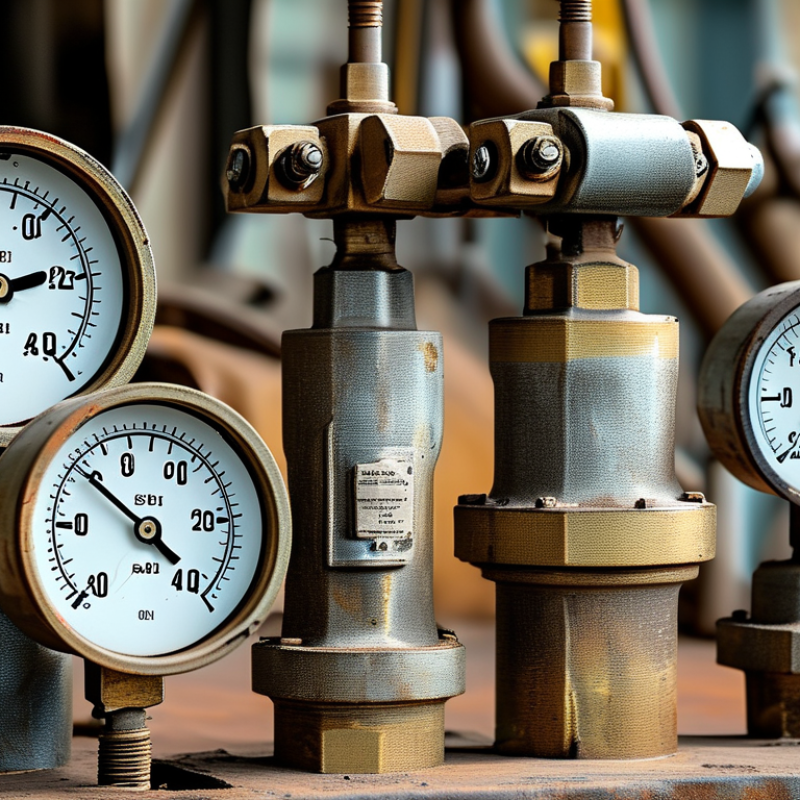
Explosion proof pressure gauges are crucial in hazardous environments. These gauges protect against explosive gases and vapors. Industry reports show that around 10% of workplace incidents are due to equipment failures. Using appropriate pressure gauges can significantly reduce these risks.
Choosing the right gauge ensures safety and accuracy. A study by the National Institute for Occupational Safety and Health highlights that failure to use explosion-proof equipment can lead to catastrophic consequences. Workers in oil and gas, chemical plants, and similar industries face serious dangers daily. The selection of pressure gauges should involve an understanding of environmental conditions and specific risk factors.
Manufacturers recommend devices that meet stringent standards for explosion proofing. Understanding these standards can be overwhelming. Some gauges claim to be explosion proof but may not meet all criteria. Therefore, validating certifications and testing results before finalizing a purchase is vital. This careful approach can mitigate risks and enhance safety when monitoring pressure levels in volatile areas.
When selecting an explosion-proof pressure gauge, several key features are crucial. First, the housing material must be durable and suitable for extreme conditions. Common materials include stainless steel and aluminum, which provide strength and corrosion resistance. According to industry reports, gauges made from carbon steel can fail under high-pressure environments, showing the importance of choosing the right material.
Another vital feature is the gauge's accuracy class. The standard accuracy for most applications is within ±1% of full scale. A recent study highlights that pressure gauges with higher accuracy levels can prevent process failures, leading to better safety outcomes. Many facilities experience significant downtime due to inaccurate readings. Therefore, investing in a high-accuracy gauge is essential for reliable operations.
Additionally, consider the gauge's diaphragm type. The choice between Bourdon tube and diaphragm gauges can affect performance in various applications. Diaphragm gauges are generally more suitable for corrosive fluids, while Bourdon tube gauges work well in simpler applications. An industry survey indicated that over 30% of pressure gauge failures are linked to incorrect diaphragm usage, emphasizing the importance of understanding the application needs.
Choosing the right material for pressure gauges in hazardous environments is critical. The material impacts durability, reliability, and safety. Stainless steel is popular due to its strength and resistance to corrosion. In many instances, it can withstand temperatures up to 400°F. However, it may not be suitable for all applications, especially in highly acidic environments.
Consider using brass or plastic materials for specific uses. Brass offers good corrosion resistance and is suitable for oil and gas applications. Plastic, on the other hand, can be lightweight and resistant to solvents. According to industry reports, approximately 25% of gauge failures stem from material incompatibility.
Evaluate the specific environment and operating conditions carefully. Ensure that the selected materials comply with relevant safety standards. Some gauges might require protection against explosive atmospheres, demanding more specialized materials. The current industry trend shows an increase in the use of composite materials, providing both durability and reduced weight.
When selecting explosion-proof pressure gauges, understanding compliance standards and certifications is crucial. These standards ensure the safety and reliability of the equipment in hazardous environments. Key certifications include ATEX and IECEx, which indicate that the gauge is tested for explosive atmospheres. Checking whether the gauge meets these standards helps you assess its suitability for your needs.
In many industries, compliance is not just a formality; it’s a necessity. Explosion-proof gauges must undergo rigorous testing to ensure they can withstand extreme conditions. The presence of a certification mark can offer peace of mind, but it's essential to verify its validity. Some may overlook local regulations, assuming global standards suffice. However, compliance can vary by region and industry.
Understanding these aspects can be difficult. Manufacturers provide documentation, but not all are transparent about the testing processes. Users should demand clear explanations of certifications. A gauge may bear a mark, but without proper testing, its reliability could be questionable. It’s wise to question these claims and seek expert opinions when in doubt. Doing so can significantly impact safety and operational efficiency.
When installing an explosion-proof pressure gauge, it’s crucial to ensure a secure and safe setup. Begin by selecting the proper mounting location. The area should be free from any obstructions and away from direct exposure to hazardous substances. Tightening the connections properly can prevent leaks. Regular visual inspection can catch potential issues early. Consider using locknuts to secure the gauge in place.
Maintaining your pressure gauge is just as important as installation. Routine calibration checks help confirm accuracy. If the gauge records inconsistencies, it’s time for a thorough review. Sometimes, environmental factors can affect readings. Ensure the gauge is not exposed to vibrations or extreme temperatures. Keeping a maintenance log can help track performance over time.
Always be aware of potential failure signs. A sudden drop in performance may indicate a malfunction. Backpressure during operation can distort readings. If you notice erratic behavior, don’t hesitate to consult a professional for advice. Fostering a proactive approach ensures your equipment remains reliable and safe.
| Feature | Description | Importance |
|---|---|---|
| Material | Corrosion-resistant materials are essential for durability in explosive environments. | High |
| Accuracy | Pressure gauges need to provide accurate readings to ensure safety. | Critical |
| Certification | Look for gauges that meet relevant explosion-proof certifications. | Essential |
| Installation | Proper installation guidelines must be followed to ensure safety. | Very Important |
| Maintenance | Regular calibration and checks are necessary for ongoing accuracy. | High |
| Environmental Considerations | Choose gauges suitable for specific environmental conditions. | Important |
| Size and Pressure Range | Select based on the application requirements and space limitations. | Critical |
: Durable materials like stainless steel and aluminum are ideal. They offer strength and corrosion resistance in extreme conditions.
A gauge's accuracy, typically within ±1%, prevents process failures. Inaccurate gauges can lead to downtime.
Bourdon tube and diaphragm types are common. Diaphragm gauges handle corrosive fluids better than Bourdon tube gauges.
Look for certifications like ATEX and IECEx. Verify their validity to ensure safety in hazardous environments.
Choose an obstruction-free mounting location. Ensure secure connections to avoid leaks, and consider using locknuts.
Routine calibration checks are essential. Track performance over time with a maintenance log to ensure accuracy.
Signs include sudden performance drops or erratic readings. Consult a professional if issues arise.
Yes, exposure to vibrations or extreme temperatures can distort readings. It's important to monitor these conditions regularly.
Choosing the right Explosion Proof Pressure Gauge is crucial for ensuring safety in hazardous environments. These gauges are designed to withstand extreme conditions and prevent explosions caused by pressure fluctuations. It's important to understand their key features, including durability, accuracy, and the suitable materials used, which can vary based on the environment they are used in.
Additionally, compliance with established standards and certifications is essential to guarantee reliability and safety. Proper installation and regular maintenance are vital for the performance and longevity of the pressure gauges. Following these guidelines will help ensure the correct selection, installation, and upkeep of Explosion Proof Pressure Gauges, ultimately contributing to a safer working environment.

Accuracy Instrument