Selecting the right Industrial Pressure Gauges is crucial for effective operations. These instruments play a key role in monitoring pressure levels in various industries. Understanding their features and applications can enhance reliability and efficiency in processes.
When choosing Industrial Pressure Gauges, consider the specific needs of your application. Factors such as pressure range, accuracy, and material compatibility are essential. Each gauge type has its strengths and weaknesses. Some may excel in high-pressure environments, while others are better for low-pressure settings.
It’s worth noting that not every gauge will suit your situation perfectly. Misjudging requirements can lead to costly errors. For instance, a gauge with inadequate materials may fail prematurely. Therefore, thorough research is vital before making a decision. The right Industrial Pressure Gauge can significantly impact your operations, ensuring safety and performance.
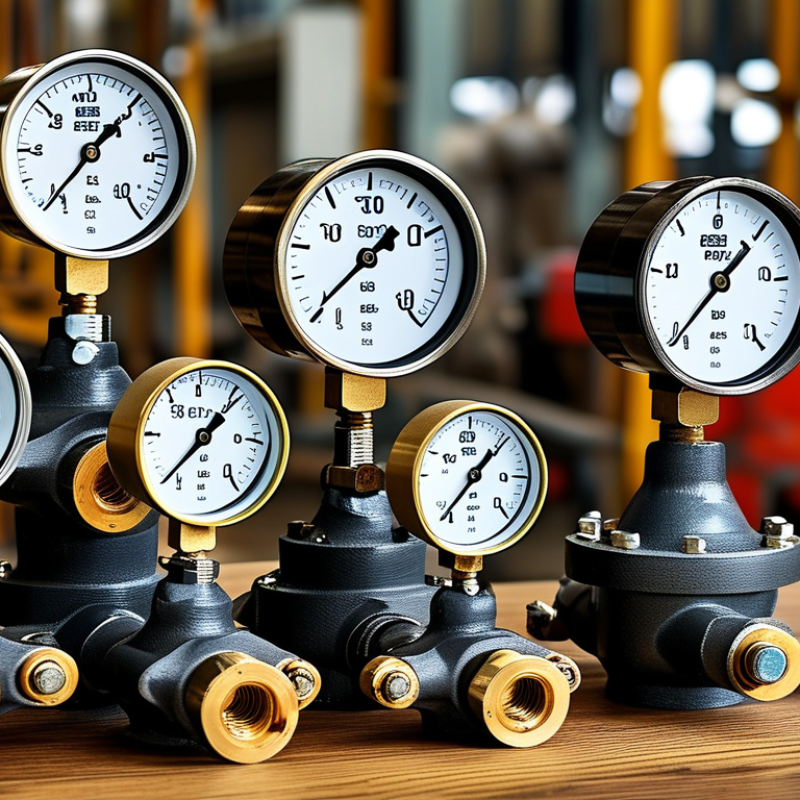
Choosing the right industrial pressure gauge is crucial. Understanding the various types helps in making an informed decision.
There are analog and digital pressure gauges. Analog gauges have a dial and needle, providing a quick visual readout. They are often considered less precise but can be more durable in harsh environments. Digital gauges, on the other hand, display pressure readings numerically. They can offer better accuracy and additional features, such as data logging.
Several gauges are designed for specific applications. For instance, bourdon tube gauges are common in many industries due to their reliability. Diaphragm gauges are used in situations with corrosive media, as they can withstand harsh conditions. It's vital to assess the environment and the type of media being measured. A mismatch can lead to device failure or inaccurate readings. Moreover, learning from past mistakes can further refine your choice. Consider the possibility of needing recalibration or replacement parts over time.
When selecting industrial pressure gauges, specific specifications play a vital role. The first consideration should be the gauge type. Mechanical gauges often show immediate, real-time readings. Digital gauges provide more accuracy and often come with data logging capabilities. Each has its application based on industry demands.
The pressure range of the gauge is another key specification. It must match or exceed the maximum pressure of the system. Over-range conditions can damage the gauge, resulting in inaccurate readings. Another factor is the accuracy rating. A gauge with a low percentage of error ensures reliable performance. Calibration frequency is essential too, as it affects long-term reliability.
Material construction is critical, especially in harsh environments. Look for corrosion-resistant materials. However, ensure you understand the limitations of these materials. Environment conditions can affect durability. Reflect on whether the gauge is easy to read and maintain. Clear markings contribute to usability. An often-overlooked aspect is the ambient temperature. High temperatures can impact gauge performance and lifespan.
Choosing the right industrial pressure gauge requires careful consideration of several factors that influence accuracy. One crucial factor is the gauge's calibration. Regular calibration ensures that the readings remain reliable over time. A report from the National Institute of Standards and Technology states that gauges lose accuracy if not calibrated annually, with deviations sometimes exceeding 0.5% of full scale. This underlines the importance of periodic checks.
Temperature can also impact accuracy. Pressure gauges perform optimally within specific temperature ranges. Extreme heat or cold can affect the sensitivity of the gauge, leading to incorrect readings. Research indicates that for every 10°C deviation from the ideal temperature, accuracy can drop by as much as 0.2%. This highlights the need for understanding the operating environment where the gauge will be used.
Moreover, the connection type and material used in gauges play pivotal roles. Materials need to withstand the operating conditions without corroding or degrading. Poor connections can introduce leaks, further skewing measurements. Industry estimates suggest that improper installation can lead to a 15% increase in reading errors. Balancing all these factors is essential for selecting a gauge that meets specific operational needs.
When selecting an industrial pressure gauge, material and durability are key considerations. Different environments demand different gauge materials. For example, a stainless steel gauge may offer excellent resistance to corrosion, making it ideal for chemical applications. On the other hand, if the application involves high temperatures, a gauge with a heat-resistant casing is necessary. It’s crucial to know the conditions the gauge will face.
Another factor to consider is the gauge's mechanical structure. A gauge with a bourdon tube is common for many industries due to its reliability. But in harsher environments, a diaphragm seal gauge could provide better protection. If a gauge is not suited for its environment, it can fail, leading to inaccurate readings. This can impact operations significantly.
It's also worth noting that some gauges, despite being made from quality materials, can still present issues. Regular maintenance and calibration are essential. Regular checks ensure accurate readings and prolonged lifespan. Understanding these elements leads to more informed choices and avoids costly mistakes. Quality gauges are an investment but must fit their intended environment to minimize risk.
Maintaining industrial pressure gauges is crucial for their longevity. Regular calibration ensures accuracy. A small deviation can lead to significant problems. Each gauge should be checked periodically based on usage. A yearly assessment may suffice for light use, while heavy-duty applications could require monthly checks.
Implementing a routine maintenance program can greatly enhance the lifespan of your gauges. Clean them regularly to remove dust and debris. This small act can prevent wear and tear. Ensure that seals and connections are intact to avoid leaks. If you notice any irregularities, it's essential to address them immediately.
Calibration should be performed by a qualified technician. Incomplete or incorrect calibrations can lead to erroneous readings. Always keep calibration records for reference. These records help in tracking the performance of the gauge over time. A proactive approach to maintenance and calibration not only saves costs but also enhances operational reliability.
: There are mechanical gauges and digital gauges. Mechanical gauges offer immediate readings, while digital gauges provide greater accuracy and data logging.
The pressure range must match or exceed the system's maximum pressure. Over-ranging can damage the gauge and lead to inaccurate readings.
A gauge with a low error percentage ensures reliable performance. Accuracy is vital for maintaining operational safety and efficiency.
Material affects durability. Corrosion-resistant materials are crucial in harsh environments, but their limitations should be understood.
High temperatures can negatively affect gauge performance and lifespan. It's important to select gauges designed for the operating temperature conditions.
A bourdon tube is commonly used due to its reliability. In harsher environments, a diaphragm seal gauge may offer better protection.
Regular maintenance and calibration are essential for accuracy. Neglect can lead to inaccurate readings and operational failures.
Look for gauges with clear markings and readable displays. This aspect contributes significantly to usability and reduces user error.
Avoid choosing a gauge not suited for its environment. This can lead to failures and costly operational impacts.
Consider material durability, accuracy, and maintenance needs. Make informed choices to mitigate risks in operations and ensure reliability.
When selecting the best industrial pressure gauges for specific needs, it is essential to understand the various types available, including analog and digital models. Key specifications such as pressure range, accuracy, and dial size should be thoroughly evaluated to ensure optimal performance in the intended application. Furthermore, factors like temperature, vibrations, and the medium being measured can influence the accuracy of industrial pressure gauges, necessitating careful consideration.
Material and durability are critical in choosing the right gauge for specific environments; harsh conditions may require robust components to maintain functionality. Regular maintenance and calibration are also vital for ensuring the longevity and reliability of industrial pressure gauges, allowing them to consistently deliver accurate readings over time. By considering these factors, users can make informed decisions that enhance performance and safety in industrial settings.

Accuracy Instrument