Choosing a Corrosion-Resistant Pressure Gauge is a practical decision, not a simple product comparison. In chemical plants, offshore platforms, and water-treatment rooms, one failed reading can delay maintenance or hide a dangerous pressure rise. The gauge face may look clean while corrosive vapor attacks the sensing element, threads, or internal spring.
The NACE IMPACT study estimated that corrosion costs the global economy about US$2.5 trillion annually, equal to roughly 3.4% of worldwide gross domestic product. Its analysis also indicated that proper corrosion-control practices could reduce these losses by 15% to 35%. These figures explain why material selection deserves more attention than a low purchase price. AMPP guidance, ISO 9223 exposure classifications, and ASME B40.100 performance principles provide useful reference points, although they do not guarantee identical results in every installation.
Mars G. Fontana, a leading corrosion-engineering authority, defined corrosion as “the deterioration of a material, usually a metal, by reaction with its environment.” That statement remains highly relevant here. Stainless-steel wetted parts, sealed cases, glycerin filling, and suitable diaphragm materials can improve service life, but only when matched to the actual medium and temperature.
No ranking is perfect.
This Top 10 list compares gauge construction, pressure range, accuracy, ingress protection, connection options, and application suitability. It also considers manufacturer documentation and field-oriented maintenance details. Some conclusions remain judgment-based. Verify chemical compatibility before purchase. A corrosion-resistant label alone is not enough.
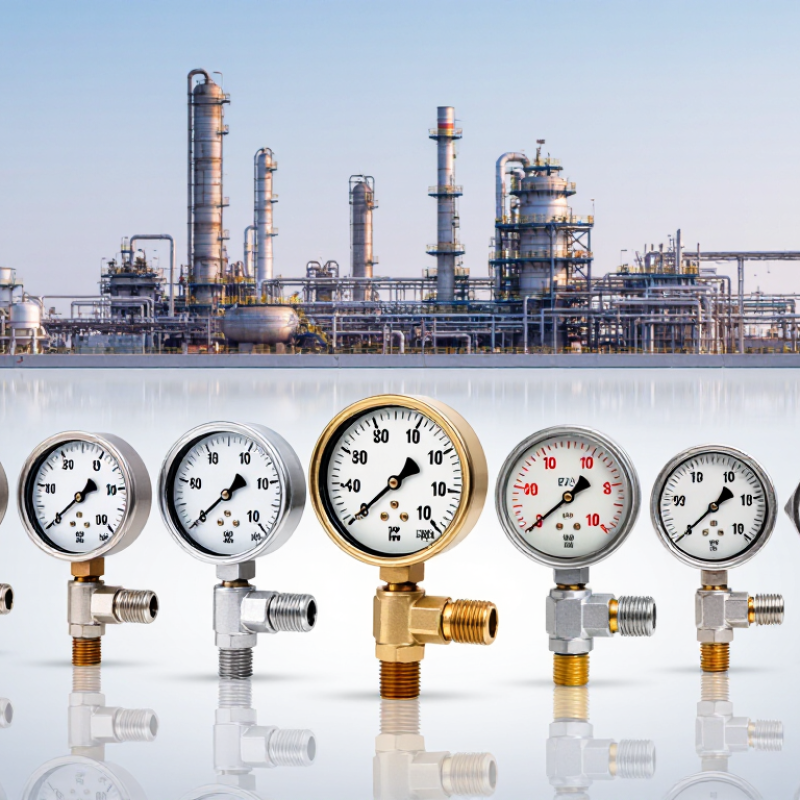
What Makes a Pressure Gauge Resistant to Corrosion?
Top 10 Corrosion Resistant Pressure Gauges to Buy?
What Makes a Pressure Gauge Resistant to Corrosion?
A corrosion-resistant pressure gauge begins with material compatibility. Stainless steel cases tolerate moisture, cleaning chemicals, and many industrial environments. However, stainless steel alone is not enough. Wetted parts must also match the process fluid. For aggressive media, engineers may select alloys, coated components, or a diaphragm seal. The wrong material can fail quietly.
Sealing quality matters just as much. A tightly enclosed case limits water, dust, and humid air from reaching the movement. Look for strong gaskets, secure connections, and a suitable ingress protection rating. In outdoor installations, condensation can form inside the gauge overnight. A gauge may look dry externally while internal parts slowly corrode.
I have seen gauges survive years in sheltered plants, then fail quickly near coastal spray. Location changes the decision. Regular calibration checks also reveal sticking needles, cloudy windows, or pressure drift. These signs deserve attention. A glycerin-filled design can reduce vibration, but it does not solve chemical incompatibility. Temperature, pressure cycling, cleaning methods, and installation orientation should be reviewed together. Even experienced buyers can overlook the connection material. That small detail may decide whether the instrument remains dependable or becomes an expensive replacement.
Key Materials and Designs Used in Corrosion Resistant Gauges
Corrosion-resistant pressure gauges depend on more than a polished stainless-steel case. The wetted parts need materials matched to the process fluid, temperature, and pressure. Stainless steel suits many water and general industrial applications, while nickel-based alloys handle more aggressive chemicals. Ceramic components can resist certain corrosive environments, but they may be less tolerant of impact. Material compatibility charts should guide every selection.
The case design matters. A fully sealed housing limits moisture, salt, and chemical vapors from reaching the movement. A blowout back improves operator protection if internal pressure rises unexpectedly. For pulsating service, a glycerin-filled case reduces pointer vibration and slows mechanical wear. Small details matter. A poor connection material can undermine an otherwise durable gauge.
Diaphragm seals add another layer of protection. They isolate the gauge from corrosive, viscous, or crystallizing media. Flush diaphragms are useful on tanks and pipelines where residue can collect around a standard connection. In field audits, technicians often find that corrosion starts at threads, welds, or vent plugs. A stainless case alone is not enough. Regular inspection should check discoloration, pitting, pointer stability, and zero return. One limitation deserves attention: highly resistant materials can increase cost and reduce availability. Selecting the strongest alloy for every application may be unnecessary, and sometimes creates a specification that looks impressive but performs poorly in practice.
Top 10 Corrosion-Resistant Pressure Gauges to Buy?
Key materials and design features used in corrosion-resistant pressure gauges.
The index is a qualitative engineering comparison from 1 (lower resistance) to 5 (higher resistance). Hastelloy C-276, PTFE-lined wetted parts, Monel 400, and PVDF are commonly selected for demanding chemical environments, while 316L stainless steel is widely used for general industrial corrosion resistance. Actual performance depends on the chemical concentration, temperature, pressure, chloride level, and gauge construction.
How to Compare the Top 10 Corrosion Resistant Pressure Gauges
Comparing the top 10 corrosion resistant pressure gauges requires more than checking a stainless steel case. Examine every wetted component, including the tube, socket, seals, and diaphragm. A 316L stainless steel construction usually handles humid, chemical, and coastal environments better than basic steel. However, material compatibility depends on the actual fluid.
Check each gauge’s accuracy, pressure range, overpressure protection, and temperature rating. A gauge rated for 0–10 bar may be unsuitable for sudden pressure spikes. Look for a clear dial, strong pointer movement, and a connection that matches the installation. Small details matter. A liquid-filled case can reduce vibration effects and improve reading stability. An IP65 or higher enclosure may help where water and dust are common.
During maintenance comparisons, I also review calibration records and the stated test method. A low-cost gauge can appear attractive, yet frequent replacement may increase operating costs. No gauge wins every category. One may offer better accuracy, while another provides stronger chemical resistance. I once overlooked seal material during a selection review, and that weak point mattered more than the polished case. This is an easy mistake to repeat. Check the process fluid, ambient temperature, mounting position, and maintenance access before ranking the ten options. Fit matters.
Choosing the Right Gauge for Different Industrial Environments
Choosing among the top 10 corrosion-resistant pressure gauges requires matching materials to the working environment. A stainless-steel case may survive coastal air, but it is not a universal answer. Chloride mist can attack fittings, threads, and sensing elements. In chemical processing, a diaphragm-sealed gauge may protect the mechanism from aggressive liquids. For dusty outdoor sites, select sealed construction with suitable ingress protection. Wet cleaning demands more than a polished exterior.
The NACE IMPACT study estimated global corrosion costs at about $2.5 trillion annually, equal to 3.4% of global GDP. It also reported that effective corrosion control could reduce losses by 15% to 35%. These figures support careful gauge selection, not simply choosing the most expensive model.
Check wetted-part compatibility against the actual medium, concentration, temperature, and pressure cycle. Standards such as ASME B40.100 provide useful guidance for pressure-gauge performance and safety.
In food and pharmaceutical areas, hygienic connections and cleanable surfaces matter. In sour-gas service, ordinary stainless steel may still be inadequate. Consider suitable alloys, remote diaphragm seals, and documented material certificates.
Pulsating compressor lines need a gauge designed for vibration and pressure spikes. I have seen gauges fail early because buyers checked only the pressure range. That mistake is easy to repeat. Leave working pressure below the gauge’s full scale, and verify calibration after installation. A small access problem can become a costly maintenance problem.
Installation, Maintenance, and Safety Checks for Long-Term Use
When comparing the top ten corrosion-resistant pressure gauges, installation deserves equal attention. Select wetted materials for the actual fluid, temperature, and pressure range. A stainless-steel case alone cannot protect an unsuitable sensing element. Mount the gauge upright, away from vibration, direct sunlight, and heat sources. Use a suitable isolation valve and siphon for steam service. Never tighten the instrument by its case.
The NACE IMPACT study estimated global corrosion costs at about US$2.5 trillion annually, or 3.4% of global GDP. It also reported that proper corrosion management could reduce costs by 15–35%. These figures support disciplined inspection, not merely expensive equipment. Check the connection for seepage, pitting, and salt deposits during routine rounds. A dry cloth often reveals early leakage better than a quick visual glance. Small details matter.
Verify gauge readings against a calibrated reference at defined intervals, especially after overloads or unusual process events. ASME B40.100 provides widely used guidance for pressure gauge performance, accuracy, and testing. Confirm the pointer returns to zero before startup. Replace a gauge with a cracked window, sticking pointer, or damaged seal. Do not repair a pressure instrument casually. My own maintenance reviews found one recurring weakness: inspection intervals were written down, but environmental changes were ignored. That mistake deserves another look. Safety checks must reflect real service conditions, not paperwork alone.
Conclusion
Choosing the right Corrosion-Resistant Pressure Gauge is essential for maintaining accurate pressure readings in demanding industrial environments. This guide explains how corrosion resistance is achieved through carefully selected materials, such as stainless steel alloys, protective coatings, and sealed components, along with designs that reduce exposure to moisture, chemicals, salt, and other aggressive substances. It also outlines the key factors for comparing the top ten gauges, including pressure range, accuracy, connection type, temperature tolerance, readability, durability, and compatibility with the process medium.
Different workplaces require different gauge features, so the article provides practical guidance for selecting suitable equipment for chemical processing, marine operations, water treatment, manufacturing, and outdoor installations. It also covers correct installation, routine inspection, cleaning, calibration, and safety checks. Following these recommendations can extend service life, reduce measurement errors, support safer operations, and help users make a well-informed purchasing decision.

 Accuracy Instrument