Choosing the right Environmental Pressure Gauge manufacturer requires more than comparing product prices. Industrial buyers must examine measurement accuracy, case materials, sealing performance, calibration practices, and long-term service support. A gauge installed near wastewater tanks, chemical lines, or outdoor processing equipment faces moisture, vibration, temperature changes, and corrosive exposure. Small design differences can affect safety and maintenance costs.
This guide reviews ten leading Environmental Pressure Gauge manufacturers worldwide. The comparison considers engineering experience, product range, quality systems, documented testing, global distribution, and technical assistance. It also looks at practical details, such as stainless-steel housings, glycerin-filled dials, readable scales, process connections, and resistance to dust or water ingress. These features matter when technicians inspect equipment under poor lighting or difficult site conditions.
No ranking is perfect.
Manufacturer reputations change. Product availability also varies by region, industry, and project size. A company with strong laboratory credentials may not provide fast local support. Another supplier may offer excellent customization but limited documentation. These limitations deserve attention before purchase decisions are made.
The information in this article is intended to support careful supplier research, not replace engineering review or calibration verification. Buyers should confirm current specifications, certifications, warranty terms, and compatibility with their process media. Field experience often reveals details that catalogues overlook. That is why this overview balances published capabilities with practical selection concerns, helping readers identify manufacturers that may fit demanding environmental and industrial applications.
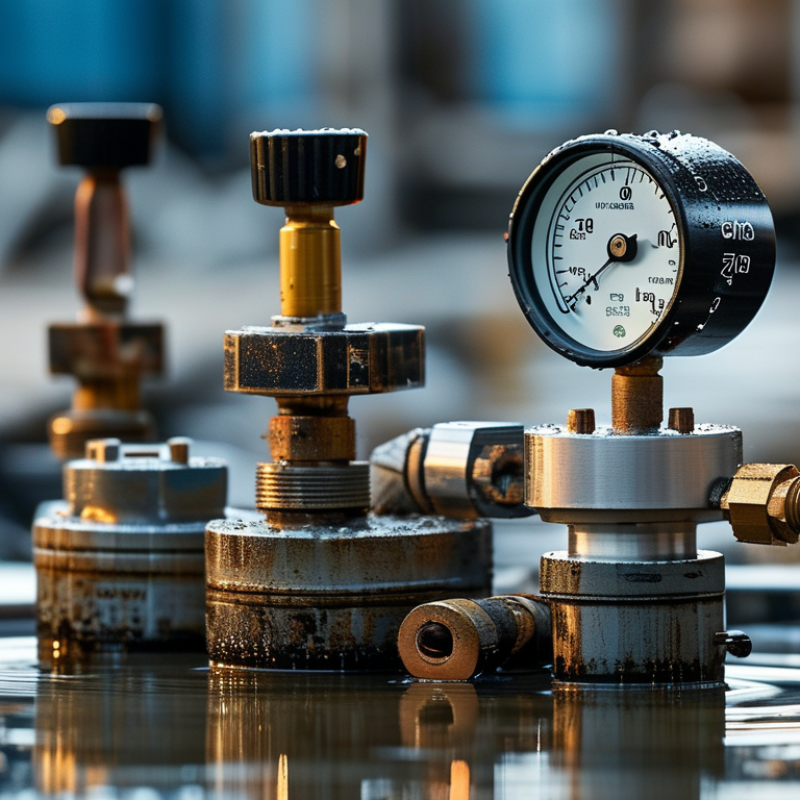
Environmental pressure gauges measure pressure in demanding outdoor or industrial conditions. Their cases often resist dust, moisture, vibration, and temperature changes. A clear dial helps technicians read values beside pumps, filters, and compressors. Common applications include water treatment, irrigation systems, HVAC equipment, environmental monitoring, and compressed-air lines. For corrosive media, engineers may specify compatible wetted materials, protective seals, or a diaphragm design. In my experience, installation conditions affect accuracy as much as gauge quality.
Tips: Check the pressure range before purchasing. The normal operating pressure should sit near the middle of the dial. Confirm thread size, connection position, ambient temperature, and required accuracy. A gauge exposed to rain may need suitable ingress protection. Small details matter.
When comparing leading manufacturers worldwide, examine calibration controls, testing records, material traceability, and after-sales technical support. Reliable suppliers should explain how their gauges perform under vibration, pulsation, and thermal cycling. Mechanical gauges remain practical, but they are not maintenance-free. Dust can cloud the window, and pressure spikes can damage internal parts. I once underestimated pulsation in a pump line; the readings became unstable within weeks. A snubber or remote installation could have prevented that problem. Regular inspection and recalibration help maintain trustworthy readings, especially when operators use the gauge to protect equipment or control treatment processes.
| No. | Environmental Gauge Configuration | Operating Principle | Typical Pressure Range | Typical Accuracy | Environmental Protection | Key Applications | Common Standards or Certifications |
|---|---|---|---|---|---|---|---|
| 1 | Stainless-Steel Bourdon Tube Gauge | An elastic C-shaped or helical tube converts pressure deformation into pointer movement. | 0 to 1,600 bar; vacuum and compound ranges are also available. | Typically ±1.0% to ±1.6% of full scale. | Commonly available with IP65 to IP67-rated cases and liquid-filled versions for vibration resistance. | Outdoor water systems, air compressors, process skids, hydraulic equipment and general industrial services. | ASME B40.100; EN 837-1; IEC 60529 for enclosure protection. |
| 2 | Diaphragm-Sealed Pressure Gauge | A flexible diaphragm deflects under pressure and drives a mechanical indication system. | Approximately 0 to 40 bar for many low-pressure and corrosive-media applications. | Typically ±1.0% to ±2.5% of full scale. | Welded or gasketed diaphragm designs can isolate the sensing mechanism from moisture, dust and aggressive media. | Wastewater treatment, chemical handling, air pollution control and environmental sampling equipment. | ASME B40.100; EN 837-3; wetted-material requirements based on process compatibility. |
| 3 | Capsule Pressure Gauge | A thin-walled capsule or stacked diaphragm element measures very low gas pressure. | Approximately 0 to 2.5 bar, with low-pressure and draft ranges below 100 mbar. | Typically ±1.0% to ±2.0% of full scale. | Weather-resistant cases and dust-protected enclosures are used for building and ventilation installations. | HVAC air handling units, cleanrooms, boiler draft measurement, ventilation and filter monitoring. | EN 837-3; IEC 60529; HVAC installation requirements vary by system design. |
| 4 | Differential Pressure Gauge | Measures the pressure difference between two ports using a diaphragm, capsule or piston assembly. | Typical differential spans from 0 to 10 mbar through 0 to 40 bar. | Typically ±0.5% to ±2.0% of full-scale differential pressure. | Available with weatherproof housings, over-range protection and condensate-resistant sensing chambers. | Filter condition monitoring, cleanroom pressure control, stack-gas systems, flow measurement and water treatment. | ASME B40.100; EN 837-3; IEC 60529; application-specific cleanroom or process standards. |
| 5 | Absolute Pressure Gauge | Measures pressure relative to a sealed reference vacuum rather than local atmospheric pressure. | Common ranges include 0 to 1 bar absolute through 0 to 60 bar absolute. | Typically ±1.0% to ±1.6% of full scale for mechanical instruments. | Sealed cases and corrosion-resistant wetted parts help maintain stability in changing weather conditions. | Vacuum systems, environmental chambers, gas analysis, calibration equipment and altitude-related testing. | ASME B40.100; EN 837-1; calibration traceability may follow ISO/IEC 17025 practices. |
| 6 | Compound Pressure Gauge | Combines vacuum and positive-pressure measurement on a single dial or display. | Typical ranges include -1 to 0 bar vacuum and 0 to 1.5, 4 or 10 bar positive pressure. | Typically ±1.0% to ±2.0% of full scale. | Often supplied with sealed, glycerin-filled or silicone-filled cases for outdoor and mobile equipment. | Refrigeration systems, heat pumps, vacuum pumps, portable environmental equipment and laboratory systems. | ASME B40.100; EN 837-1; refrigerant-system requirements depend on the selected refrigerant. |
| 7 | Digital Environmental Pressure Gauge | A piezoresistive, ceramic or thin-film sensor converts pressure into an electronic signal. | From low differential pressure to more than 1,000 bar, depending on sensor construction. | Typically ±0.05% to ±0.5% of span for precision digital instruments. | Common enclosure ratings include IP65, IP66 and IP67; temperature compensation is frequently available. | Remote monitoring, data logging, environmental test chambers, energy management and field calibration. | IEC 60529; EMC requirements under IEC 61326-1 may apply; calibration can be documented to ISO/IEC 17025. |
| 8 | Sanitary Diaphragm Pressure Gauge | A flush diaphragm transfers process pressure while minimizing dead spaces and contamination risks. | Commonly 0 to 25 bar, with vacuum and compound versions available. | Typically ±1.0% to ±1.5% of full scale. | Polished stainless-steel surfaces, hygienic connections and sealed housings support washdown environments. | Water purification, wastewater monitoring, food processing, pharmaceutical utilities and biotechnology systems. | 3-A Sanitary Standards where applicable; EHEDG design principles; ASME BPE for certain bioprocess installations. |
| 9 | Remote-Seal Pressure Gauge | A diaphragm seal and capillary transmit process pressure to a gauge positioned away from the process connection. | Typically 0 to 400 bar, depending on seal, fill fluid and process connection. | Typically ±1.0% to ±2.5% of full scale, including temperature effects. | Protects the gauge from corrosive, viscous, crystallizing, hot or contaminated media. | Chemical plants, wastewater sludge systems, high-temperature processes and aggressive environmental fluids. | ASME B40.100; EN 837-1; material selection and seal design must match process chemistry. |
| 10 | Explosion-Protected Pressure Gauge | Uses a mechanical or electronic sensing element housed and certified for hazardous locations. | Typical ranges extend from 0 to 1 bar through 0 to 1,000 bar, depending on design. | Typically ±0.5% to ±1.6% of full scale. | Rugged stainless-steel cases, sealed construction and certified protection against dust or gas ignition hazards. | Landfill-gas monitoring, wastewater biogas systems, chemical storage, fuel handling and industrial emissions equipment. | ATEX Directive 2014/34/EU; IECEx; IEC 60079 series; IEC 60529 for ingress protection. |
Data note: The pressure ranges and accuracy values shown are representative industry ranges rather than specifications for any individual company or brand. Actual performance depends on sensing technology, materials, temperature, pressure cycle, installation and calibration.
Review calibration records, uncertainty data, and traceability to recognized national laboratories. Ask for sample certificates. Vague answers indicate risk.
Consider temperature, vibration, pulsation, humidity, dust, and installation position. Seasonal changes matter. Laboratory results may miss field failures.
Stainless steel cases resist moisture and corrosion. Diaphragm materials must match the measured medium and operating temperature.
Check pressure range, accuracy class, ingress protection, connection type, and overpressure resistance. Readable markings matter during inspections.
Use factory audits, batch testing, and corrective-action records. Stable pointer movement is a useful practical sign.
Use the same assumptions for performance, durability, service, compliance, and lifecycle value. A scoring model helps, but weights can influence results.
Frequent recalibration, difficult installation, and scarce spare parts can increase ownership costs. Cheap initially. Expensive later.
No. Simple analog gauges may perform better in dusty areas. Digital models can provide logging and alarms, but installation still matters.
Compare normal operating pressure with the gauge range. Record the zero reading before installation and after maintenance.
Request calibration data, material specifications, operating limits, warranty terms, and service details. Published accuracy can change under vibration or temperature shifts.
This article explores the role of the Environmental Pressure Gauge in monitoring air, water, soil, and industrial conditions where accurate pressure measurement supports safety, compliance, and operational stability. It explains the main applications of these instruments, including environmental monitoring systems, filtration equipment, ventilation networks, water treatment facilities, and process-control environments. The discussion also introduces the key factors used to evaluate international manufacturers, such as measurement accuracy, durability, materials, calibration practices, product customization, after-sales support, and adherence to recognized quality and environmental standards.
The top ten manufacturers are selected through a balanced comparison of technical capability, certification coverage, innovation, production capacity, geographic reach, and suitability for different operating conditions. Their profiles highlight how various suppliers approach mechanical design, digital integration, corrosion resistance, pressure ranges, and long-term reliability. By comparing these differences, readers can better understand which technologies and service strengths matter most when choosing an Environmental Pressure Gauge for specific monitoring requirements.

 Accuracy Instrument