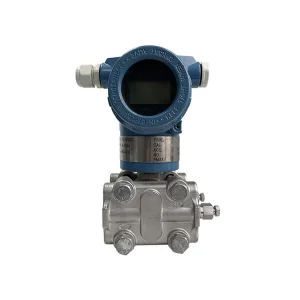
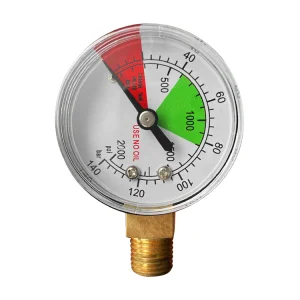
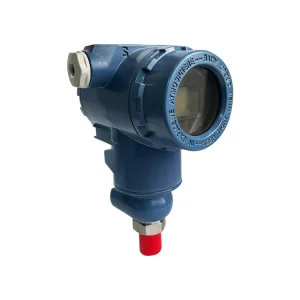
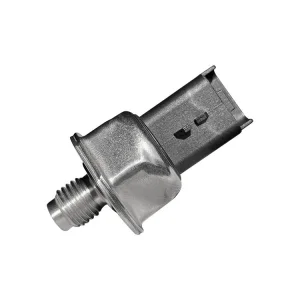
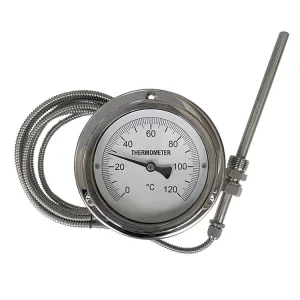
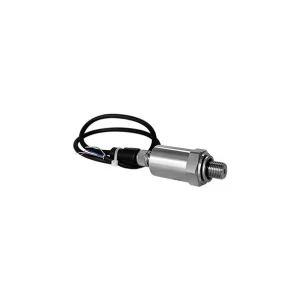
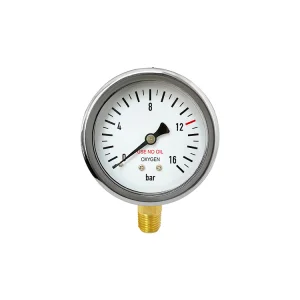
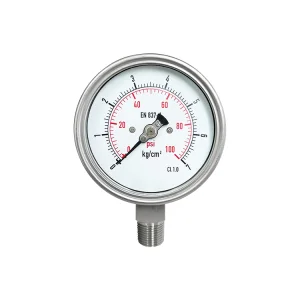
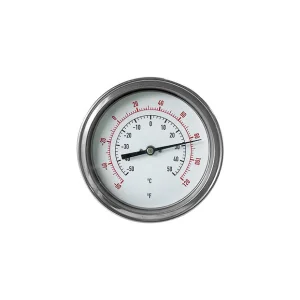
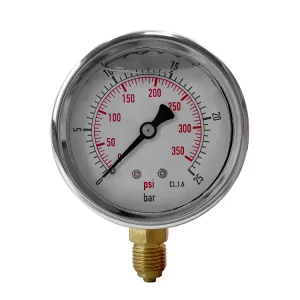
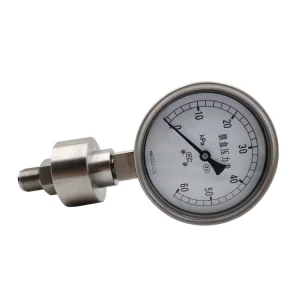
Explore our core portfolio of direct-factory high-accuracy differential pressure transmitters, sanitary diaphragm seals, micro-fused silicon sensors, and industrial gauges.
In modern continuous process industries, the 3051 Differential Pressure (DP) Transmitter stands as the bedrock of measurement integrity. Engineered to measure small pressure differences across fluid restrictions, tanks, and filtration barriers under high static line pressures, the 3051 architecture provides essential data for flow rate determination, liquid level monitoring, interface measurement, and mass balance calculation.
As global process automation transitions toward Industry 4.0, enterprise buyers, EPC contractors, and system integrators face increasing pressures to balance strict metrological performance with supply chain resilience and optimized Total Cost of Ownership (TCO). Selecting the right factory and OEM partner involves navigating complex sensor physics, diaphragm metallurgy, explosive atmosphere certifications, and intelligent digital fieldbus protocols.
Huzhou Accuracy Instrument Co., Ltd. is professionally engaged in the development, sales, and comprehensive service of industrial mechanical pressure gauges, bi-metal thermometers, SF6 manometers, differential pressure transmitters, and micro-fused silicon pressure sensors. Our high-precision measurement solutions are deployed worldwide in critical sectors including Mechanical Engineering, Chemical Processing, Food & Beverage, Pharmaceutical Manufacturing, and High-Technology Electric Appliances.
Established over two decades ago, our state-of-the-art pressure instrumentation facility spans 3,000 square meters, equipped with modern automated assembly lines, laser welding cells, ultra-high vacuum oil-filling stations, and rigorous automatic pressure calibration suites. As an industry leader, we seamlessly integrate materials science with precision metrology to deliver reliable measurement solutions for global enterprise clients.
R&D Department (20 Specialists): Focused on MEMS sensor design, advanced diaphragm metallurgy, micro-power circuit design, smart fieldbus integration, and compliance with international standards (ISO, API, IEC, NACE).
Production Workforce (120 Technicians): Utilizing automated robotic assembly, laser seam welding, and dynamic temperature compensation algorithms to guarantee extreme durability.
Sales & Service Unit (15 Professionals): Providing 24/7 technical support, application engineering assistance, and customized OEM/ODM project consultation across 30+ countries.
Our annual manufacturing capacity exceeds 2 million units, encompassing industrial-grade differential pressure transmitters, stainless steel explosion-proof gauges, black steel utility gauges, SF6 gas density monitors, bimetallic thermometers, and digital transmitters.
Products are exported across North America, Europe, Southeast Asia, and the Middle East, backed by certifications such as ISO 9001, SGS, and CE, earning global acclaim for zero-leak performance and ±0.5% to ±0.075% precision.
Our metrology laboratory conducts 100% pressure cycle testing, static line pressure strain testing, and full-range environmental chamber simulations (-40°C to +85°C), adhering strictly to ISO 9001 and ISO 17025 standards.
Continuous process improvement drives our reputation for zero-leak hermetic isolation in severe media environments, fully supported by a comprehensive 12-month standard replacement warranty.
The standard 3051 DP architecture relies on differential capacitance or piezoresistive silicon sensor technology contained within a coplanar or inline module. Process fluid pressure exerts force through isolating diaphragms and a fill fluid (such as silicone oil or inert synthetic oil) onto a central sensing diaphragm.
In capacitance-based 3051 transmitters, the center sensing diaphragm flexes under differential pressure ($\Delta P = P_H - P_L$). This deflection alters the electrical capacitance between the center diaphragm and two fixed capacitor plates located on either side of the cell. High-speed ASIC microcontrollers measure this differential capacitance with extreme linearity and sub-millisecond response times.
For high static pressure applications, glass micro-fused silicon piezoresistive sensor bridges are micro-machined directly into the silicon substrate. When exposed to differential strain, wheatstone bridge resistance changes proportionally. Combined with digital temperature compensation matrices, micro-fused sensors deliver exceptional thermal stability and overpressure tolerance up to 41 MPa (6000 PSI).
The 3051 Coplanar platform integrates process flanges directly onto the sensor module, eliminating traditional flange adapter bolts, reducing potential leak paths by up to 50%, and enabling direct mounting to 5-valve manifolds, primary orifice elements, or remote diaphragm seals.
| Parameter / Feature | Standard Configuration | High-Precision / Custom OEM Option |
|---|---|---|
| Reference Accuracy | ±0.075% of calibrated span | ±0.04% or ±0.065% high-accuracy option |
| Turndown Ratio (Rangeability) | 50:1 | 100:1 wide rangeability |
| Stability | ±0.125% of URL for 5 years | ±0.2% of URL for 10 years |
| Static Pressure Limit | Up to 13.79 MPa (2000 PSI) | Up to 41.37 MPa (6000 PSI) severe service |
| Wetted Diaphragm Materials | 316L Stainless Steel | Hastelloy C-276, Monel 400, Tantalum, Gold-Plated 316L |
| Communication Protocols | 4-20mA HART 7 | Modbus RTU (RS485), PROFIBUS PA, FOUNDATION Fieldbus |
| Explosion-Proof Ratings | Ex d IIC T6 Gb / Ex ia IIC T4 Ga | ATEX, IECEx, CSA, FM Dual Certification |
| Fill Liquids | Silicone Oil 200 | Inert Fluorolube, Syltherm 800, Food-Grade Neobee M-20 |
Precision differential pressure measurement forms the core of process control safety, custody transfer accuracy, and operational throughput. Huzhou Accuracy Instrument Co., Ltd. delivers custom-configured 3051 transmitters engineered to withstand extreme environmental and chemical stressors.
In offshore platforms and refining columns, 3051 transmitters measure differential pressure across orifice plates, Venturi tubes, and severe service separators. Available with NACE MR0175/ISO 15156 compliant wetted materials (Hastelloy C-276) to resist hydrogen sulfide ($H_2S$) stress corrosion cracking.
Handling aggressive media like concentrated sulfuric acid, chlorine gas, or polymer slimes requires physical isolation. We supply 3051 transmitters paired with capillary remote diaphragm seals (flanged or threaded) using Tantalum or PTFE coated membranes.
Supercritical power plants demand fast, stable dynamic measurement for steam drum liquid levels and main feed-water flows under extreme static pressure. Our high-static pressure DP models offer low temperature drift and dual-element isolation chambers.
For biopharmaceutical reactors and CIP/SIP cleaning loops, 3051 DP transmitters with Tri-Clamp sanitary seals offer surface finishes polished down to $Ra < 0.38 \mu m$, compliant with 3-A and FDA standards, utilizing non-toxic fill fluids like Neobee M-20.
Low-range DP measurement (0 to 250 Pa) is critical for monitoring HEPA filter differential pressure, room pressurization balance in cleanroom environments, and open channel flume liquid levels in municipal water plants.
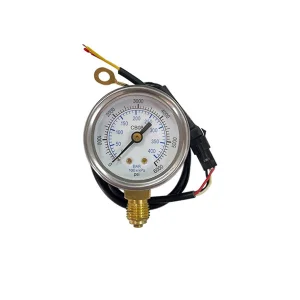
Complementing our high-precision transmitter line, our OEM CNG auto pressure gauges and ceramic sensors provide rugged 5V/12V vehicle monitoring for alternative fuel commercial transport systems.
Global procurement directors face rising challenges regarding supply chain delays, price inflation, and long factory lead times from traditional Western OEMs. Huzhou Accuracy Instrument Co., Ltd. addresses these pain points by offering direct factory access, automated production lines, and high-efficiency procurement pathways.
Sensing cells and diaphragm assemblies undergo micro-laser welding in controlled cleanroom atmospheres. This ensures high structural integrity, zero helium leakage, and exceptional mechanical fatigue resistance under continuous dynamic pulsation.
Every single 3051 cell is cycled inside thermal calibration chambers from -40°C to +85°C. Polynomial mathematical corrections for thermal zero shift and thermal span shift are uploaded directly to the transmitter's non-volatile memory (EEPROM).
We provide full white-label OEM design, custom tag marking, housing color options, customized process connections (NPT, BSP, Flanged, Sanitary), and streamlined production turnarounds (2 to 3 weeks standard delivery).
The transition from analog 4-20mA loops to intelligent digital sensing nodes is expanding the role of 3051 DP transmitters from simple measurement sensors to edge computing diagnostics engines.
Impulse line clogging caused by paraffin buildup, freezing, or sediment deposition is a major cause of undetected measurement errors. Next-gen 3051 algorithms continuously analyze high-frequency process noise dynamics (statistical process monitoring - SPM). A reduction in process noise standard deviation triggers an early diagnostic warning before complete line blockage occurs.
For remote wellhead monitoring, offshore tank farms, and vast pipeline networks, non-wired WirelessHART (IEEE 802.15.4) and NB-IoT protocols allow rapid deployment without expensive cabling infrastructure. Powered by long-life lithium battery packs or energy harvesting modules, these units operate reliably for up to 10 years.
Safety Instrumented Systems (SIS) in chemical processing plants mandate strict Safety Integrity Level (SIL) standards. Our upgraded transmitter electronics feature dual micro-controller architectures, continuous internal memory verification, self-monitoring strain gauges, and safe failure mode reporting compliant with IEC 61508.
Eliminate the need for handheld HART communicators in hard-to-reach or dangerous field locations. Secure, password-authenticated BLE connectivity allows field technicians to perform zero trimming, range adjustments, and diagnostic logs using any authorized smartphone or tablet up to 15 meters away.
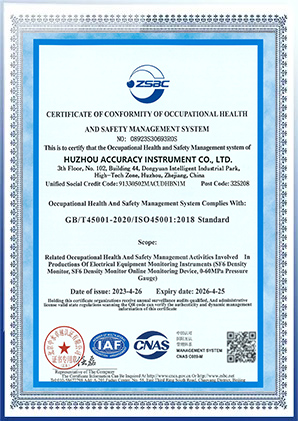
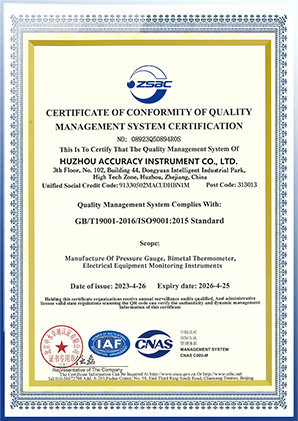
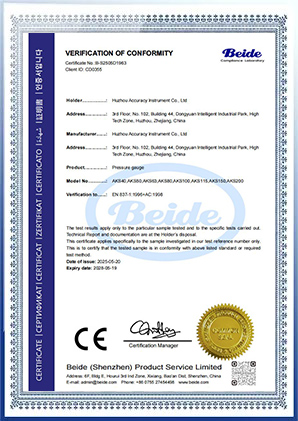
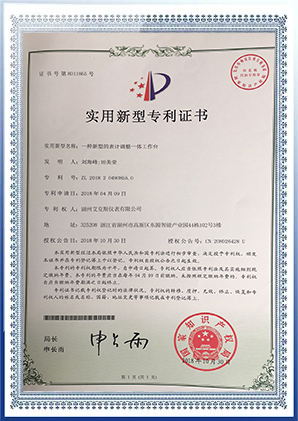
We maintain strict compliance with global manufacturing, environmental, and metrological standards under our ISO 9001 quality management framework. Below is a display of our core factory compliance certificates and lab accreditations:
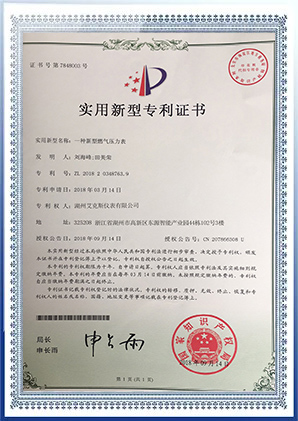
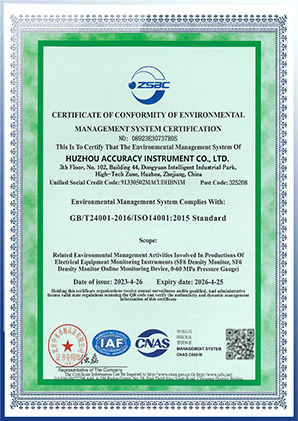
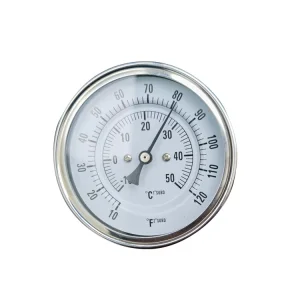
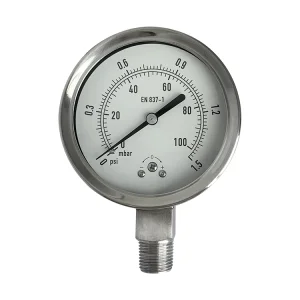
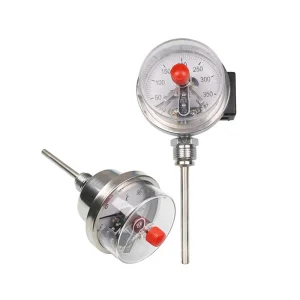
Explore our full line of complementary pressure, temperature, and ceramic level sensors engineered for direct factory procurement.
Find authoritative answers to technical engineering queries, installation practices, and direct OEM procurement guidelines.
 Accuracy Instrument