High-precision pressure and temperature monitoring instruments manufactured under ISO 9001 and CE compliance.
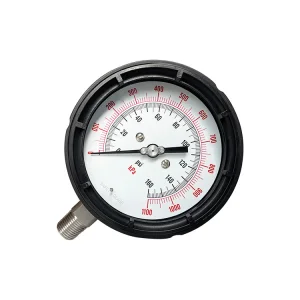
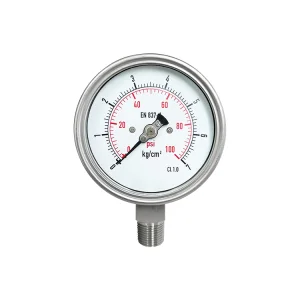
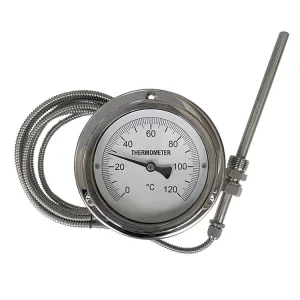
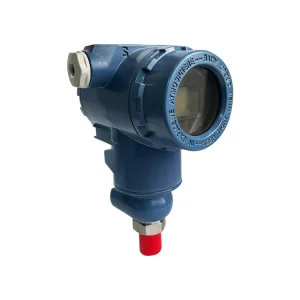
An in-depth evaluation of mechanical design, thermodynamic stability, and CE compliance standards for combination pressure and temperature monitoring.
In modern industrial process engineering, fluid control networks, and closed-loop thermodynamic systems, real-time monitoring of system integrity requires simultaneous telemetry of hydrostatic pressure and thermal energy. Historically, system designers installed separate pressure gauges and bimetallic stem thermometers onto pipelines and pressure vessels. However, this redundant architecture introduces multiple potential leak paths, increases piping manifold costs, and consumes valuable physical footprint.
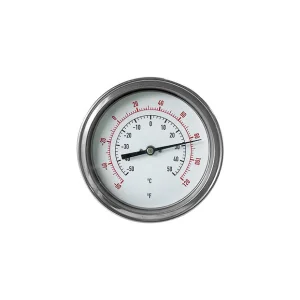
The CE Certified Combination Pressure Temperature Gauge (commonly referred to in industrial automation as a Thermo-Manometer or Tridicator) solves these operational inefficiencies by integrating dual independent sensing elements into a unified dial face housing. By utilizing a synchronized helical Bourdon tube assembly alongside a precision bimetallic coil or liquid-actuated capillary mechanism, these instruments allow plant engineers to read both hydrostatic gauge pressure (PSI/Bar/KPa) and media thermal values (°C/°F) at a single access point with zero signal cross-interference.
Technical Gain Insight: Modern combination gauges manufactured under European Union PED (Pressure Equipment Directive 2014/68/EU) guidelines feature isolated internal sensing chambers. This architectural separation guarantees that thermal expansion within the temperature stem does not induce mechanical stress or zero-shift errors on the Bourdon tube pointer mechanism.
| Parameter / Feature | Standard Commercial Specs | Heavy Industrial & Hazardous Spec |
|---|---|---|
| Pressure Range Capabilities | 0 to 10 Bar (0 - 160 PSI / 0 - 1.0 MPa) | Vacuum up to 140 Bar (0 - 2000 PSI / 0 - 14 MPa) |
| Temperature Range Spectrum | -20°C to +120°C (-4°F to +248°F) | -50°C to +600°C (-58°F to +1112°F) |
| Accuracy Class (EN 837-1 / EN 13190) | Class 1.6 / Class 2.5 | Class 1.0 / Class 0.5 (High Precision) |
| Wetted Parts Material | H62 Machined Brass / Copper Alloy | AISI 316L Stainless Steel / Monel / Hastelloy C |
| Enclosure Protection Class | IP54 Dust/Splash Proof | IP65 / IP67 Hermetically Sealed, Liquid Filled |
| Explosion Compliance | N/A | CE ATEX Ex II 2G Ex h IIC T6...T1 Gb |
Established over two decades ago, our specialized pressure gauge manufacturing facility spans 3,000 square meters, fully equipped with automated assembly lines, robotic laser welding stations, and high-precision environmental simulation calibration laboratories.
As an established OEM supplier and factory leader, we integrate advanced metallurgical research with precision mechanical engineering to deliver zero-leakage, vibration-resistant fluid control monitoring solutions for multinational engineering projects.
Dedicated to material innovation, MEMS integration, and global standards compliance (ISO, API, CE).
Utilizing automated optical assembly lines and micro-laser calibration rigs for exact tolerances.
Adhering strictly to ISO 9001:2008, ISO 17025 testing protocols, and European CE directives.
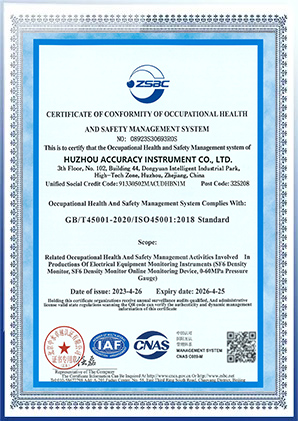
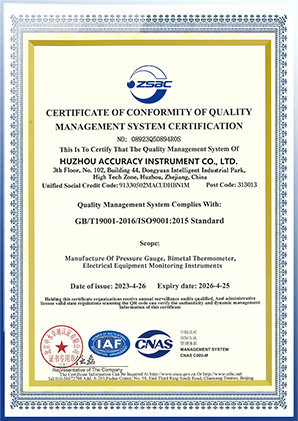
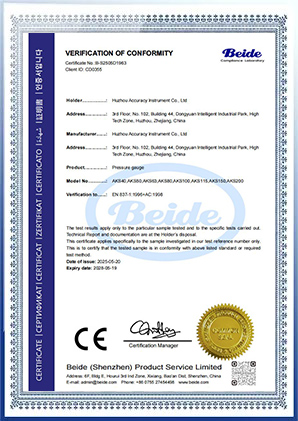
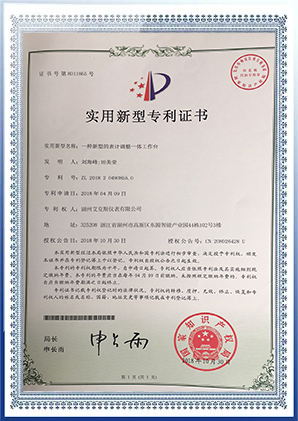
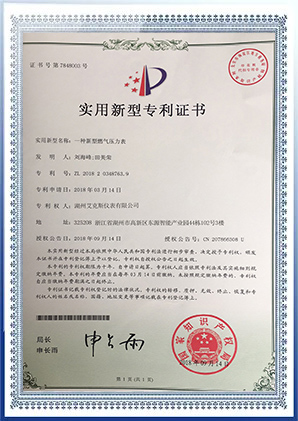
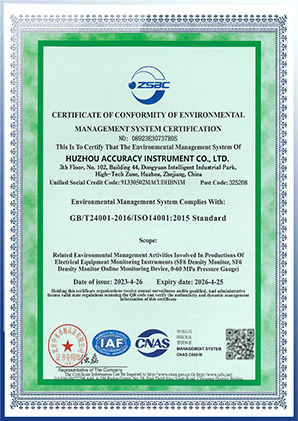
Capitalizing on ecosystem integration, automated manufacturing scales, and stringent quality assurance frameworks.
Every single instrument undergoes a 100% full-scale hydraulic/pneumatic pressure cycle test, thermal step response calibration, and helium mass spectrometer leak test to eliminate failure risks in critical processing loops.
Operating out of Huzhou’s industrial manufacturing cluster grants direct sourcing access to raw copper alloys, high-grade AISI 316 stainless tubing, and precision optical dials, passing significant unit cost savings to international OEM clients.
From customized dual-scale artwork dials (Bar/PSI, °C/°F) and specialized back/radial connection threads (NPT, BSP, G, Metric) to custom capillary extension lengths, our engineering team executes custom prototypes within 7 days.
Analyzing how combination pressure temperature gauges drive safety and efficiency across diverse industrial sectors.
In centralized district heating, residential hot water boiler installations, and HVAC chiller units, monitoring system working pressure alongside supply/return fluid temperatures is fundamental to prevent thermal cavitation, system over-pressurization, and pump burnouts. CE-marked combination gauges installed directly on boiler manifolds provide localized visual validation, satisfying stringent regional building codes (such as EN 12828).
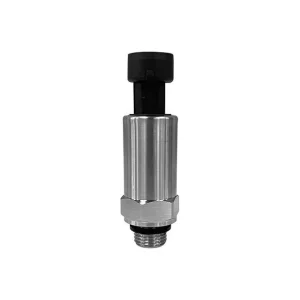
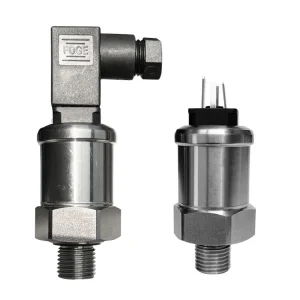
Explosion-proof stainless steel combination pressure-temperature transmitters and gauges are deployed in harsh environments where flammable gas vapors or corrosive chemical fumes exist. Outfitted with liquid-filled cases (Glycerine or Silicone oil) to dampen intense mechanical vibration and pulsation, these units utilize 316L or Hastelloy wetted parts to resist aggressive media like hydrogen sulfide ($H_2S$) and sea-spray corrosion.
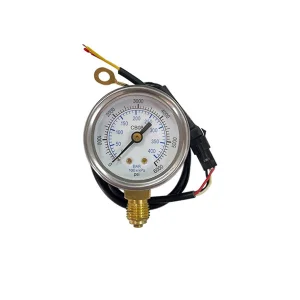
Automotive engine test bays and Compressed Natural Gas (CNG) storage platforms utilize specialized high-pressure combination gauges and electronic transmitters. The integration of 5V/12V digital feedback sensors alongside mechanical dial readouts allows engine control units (ECUs) to dynamically regulate gas density and injection pressure in real time.
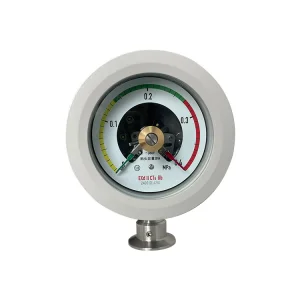
Clean-in-Place (CIP) and Sterilize-in-Place (SIP) systems require hygienic diaphragm seal combination gauges. Stainless steel tri-clamp connections fitted with high-accuracy capillary tubes isolate the internal measuring elements from aggressive process fluids, preventing bacterial accumulation while maintaining class-leading measurement fidelity.
Emerging IIoT Industry Trend: The market is rapidly shifting toward Smart Hybrid Combination Instruments. Modern plants are increasingly replacing traditional purely mechanical dial gauges with hybrid instruments that pair localized mechanical dials with 4-20mA HART or Modbus RS485 digital telemetry signals, enabling continuous cloud-based predictive maintenance monitoring.
Follow this systematic decision framework when specifying dual pressure and temperature instrumentation for custom OEM projects.
Evaluate chemical aggressiveness. Choose brass/copper alloy for inert water/air HVAC applications. Select full 316L stainless steel or diaphragm seal isolators for acids, steam, or sanitary fluids.
Ensure working pressure resides in the middle third (25% to 75%) of the maximum scale range. Thermal sensors should be selected so normal operating temperatures sit centered on the dial.
For high-vibration engine bays, specify liquid-filled (Glycerine/Silicone) cases. Choose radial (bottom) mount, center-back mount, or remote reading capillary tube configurations based on physical space constraints.
Expert answers regarding certification, installation, calibration, and global sourcing of combination gauges.
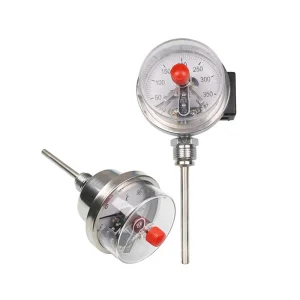
Explore our full range of bimetal thermometers, electric contact gauges, and waterproof pressure transducers.
 Accuracy Instrument