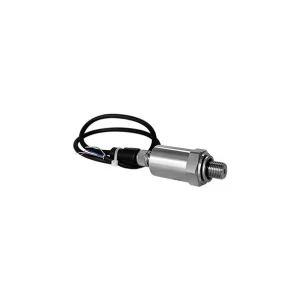
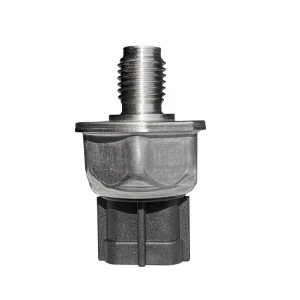
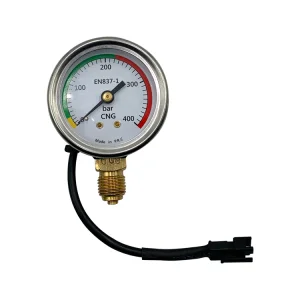
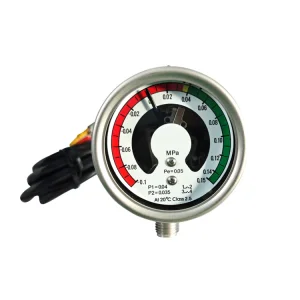
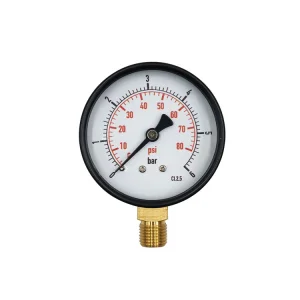
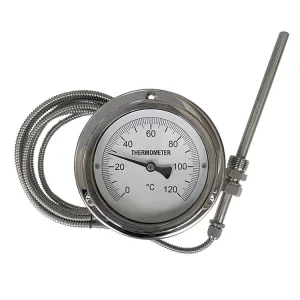
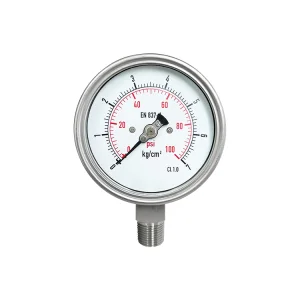
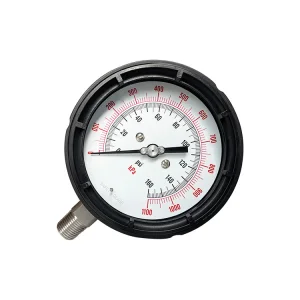
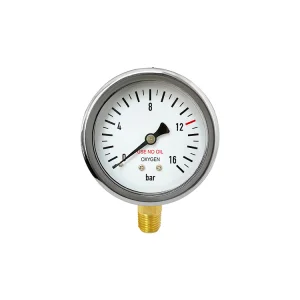
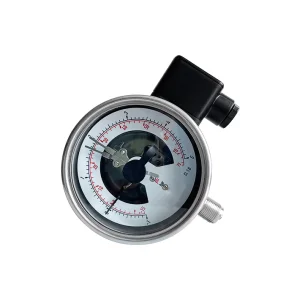
Explore our high-precision bi-metal thermometers, electronic pressure transmitters, microfused sensors, and control solutions direct from our certified manufacturing facility.
Deconstructing the physics, sensor topologies, and digital conversion pipelines that define modern electronic thermal metrology in China's advanced manufacturing sector.
In modern industrial metrology and process automation, an Electronic Thermometer is formally defined as a solid-state temperature measuring system that transforms thermal energy inputs into proportional digital signals or continuous analog electrical outputs. Unlike traditional liquid-in-glass or pure mechanical bi-metallic gauges that rely solely on differential thermal expansion of metals, an electronic thermometer integrates transducing elements, high-resolution analog-to-digital converters (ADCs), microcontrollers, and standardized industrial transmission interfaces (such as 4-20mA, HART, RS485 Modbus, or wireless IoT protocols).
Chinese OEM electronic thermometer manufacturers utilize four core physical transducer technologies depending on the thermal range, environment, and accuracy requirements:
Utilizing pure noble metals (most commonly Pt100 or Pt1000 platinum thin-films), RTDs rely on a predictable positive temperature coefficient (PTC) electrical resistance increase. Offering precision up to Class A (±0.15°C), RTDs are the standard for chemical, food, and pharmaceutical applications.
Operating on the Seebeck Effect, thermoelements generate a small thermoelectric EMF voltage proportional to the gradient between the hot measuring junction and the cold reference junction. Ideal for high-temperature industrial furnaces up to 1600°C.
Negative Temperature Coefficient ceramics display exponential resistance reduction upon heating. Highly sensitive over narrow operational windows (-50°C to +150°C), making them essential for HVAC equipment, engine cooling, and medical devices.
Non-contact thermometry utilizes photodetectors or thermopiles to capture Stefan-Boltzmann black-body thermal radiation. Combined with glass microfused pressure/temperature elements, these allow multi-variable process measurement.
| Technology Type | Standard Temperature Range | Typical Accuracy | Response Time (t90) | Primary Industrial Application |
|---|---|---|---|---|
| Platinum RTD (Pt100/Pt1000) | -200°C to +650°C | ±0.1°C to ±0.3°C (Class A/B) | 1.5s - 5.0s | Pharma, Food Processing, High-Precision Process Control |
| Thermocouple (Type K) | -40°C to +1200°C | ±1.5°C or 0.75% | 0.5s - 2.0s | Heavy Industry, Power Plants, Common Rail & Boilers |
| Digital NTC Thermistor | -50°C to +150°C | ±0.05°C to ±0.2°C | 0.2s - 1.0s | HVAC Air Ducts, Automotive Gas Systems, Battery Monitoring |
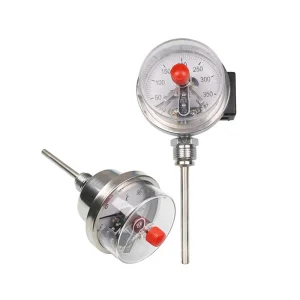
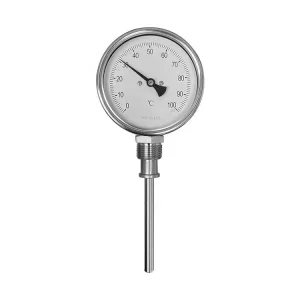
| Bi-Metal Mechanical / Digital Hybrid | -50°C to +500°C | ±1.0% to ±1.5% FS | 5.0s - 15.0s | Pipeline Monitoring, Electric Switch Contact Control |
Established over two decades ago, Huzhou Accuracy Instrument Co., Ltd. operates a state-of-the-art 3,000 square meter specialized manufacturing plant in Zhejiang, China. We integrate research, design, automated assembly, and stringent metrological verification to produce world-class industrial pressure gauges, bi-metal thermometers, SF6 gas density monitors, and advanced electronic transmitters.
Our engineering division maintains 100% compliance with ISO 9001:2008 standards, conducting rigorous environmental simulations, dynamic vibration resilience tests, and 100% pressure/temperature cycle calibrations to deliver zero-leak, long-life accuracy across extreme operating environments.
Focuses on ceramic material innovations, microfused silicon diaphragm integration, smart transmitter circuit board design, and alignment with API, ISO, and CE specifications.
Employs automated laser welding, automated SMT component placement, oil-free cleanroom filling, and robotic laser calibration rigs for zero hysteresis.
Delivers 24/7 technical advice, customized CAD/3D modeling support, custom thread synthesis (NPT, BSP, G), and dedicated warranty management worldwide.
Unpacking the structural, geographical, and technological factors that position Chinese instrument factories at the core of global process automation supply chains.
The global industrial transition toward Industry 4.0 has heightened demand for reliable, cost-efficient temperature and pressure instrumentation. China's electronic thermometer manufacturing sector, particularly within the Yangtze River Delta industrial hub in Huzhou, Zhejiang, offers unprecedented strategic advantages to global original equipment manufacturers (OEMs) and engineering, procurement, and construction (EPC) contractors.
Chinese factories benefit from direct localized sourcing of high-purity alumina ceramics (99.5% Al2O3), 316L stainless steel seamless tubes, and precision bimetallic ribbons. This minimizes raw material lead times and insulates international buyers from global supply shocks.
By combining high-speed automated Surface Mount Technology (SMT) with multi-station temperature bath calibration, facilities like Huzhou Accuracy Instrument maintain an annual production capacity exceeding 2 million units while reducing cost-per-unit by 30-40% compared to Western counterparts.
Chinese manufacturers excel in custom mechanical and electronic retrofitting. Whether modifying stem length, changing capillary materials, adding electric contact relays, or synthesizing proprietary communication protocols, turnaround times from CAD drawing to prototype drop to under two weeks.
From high-voltage electrical grid substations to heavy-duty marine engines, discover how specialized thermal sensors solve critical operational challenges.
In high-voltage circuit breakers, SF6 gas insulation integrity is hyper-dependent on temperature-compensated pressure. Hybrid electronic-bimetallic gas density monitors actively detect micro-leaks, preventing catastrophic electrical flashovers in electrical distribution substations.
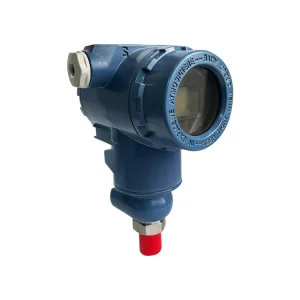
Heavy diesel and common rail systems operate under severe mechanical shock and thermal spikes. Specialized capillary thermometers and microfused strain-gauge pressure/temp transmitters offer vibration-proof, liquid-filled casing engineered for 100,000+ duty cycles.
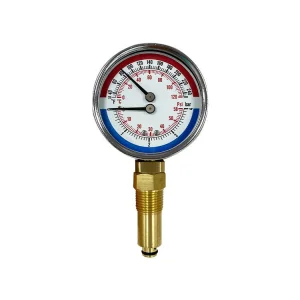
Combined pressure and temperature compound gauges with stainless steel construction ensure contamination-free liquid loops in dairy processing, brewery fermentation, and commercial HVAC boiler monitoring.
The convergence of industrial IoT, micro-electronics, and predictive analytics is reshaping the definition of electronic temperature sensors.
Future electronic thermometers manufactured by China's tech leaders are incorporating embedded machine learning microcontrollers. These algorithms analyze drift kinetics in real time, automatically compensating for sensor degradation without interrupting plant operations.
Transitioning away from hardwired 4-20mA loops, next-gen field transmitters use long-range, ultra-low-power radio protocols. Powered by internal lithium batteries or thermal energy harvesting modules, these units operate maintenance-free for up to 10 years.
By fusing inorganic glass-bonded strain elements directly onto high-purity alumina ceramics, next-generation instruments achieve dual-axis pressure and thermal measurements inside a single compact sensor body, virtually eliminating internal seal failures.
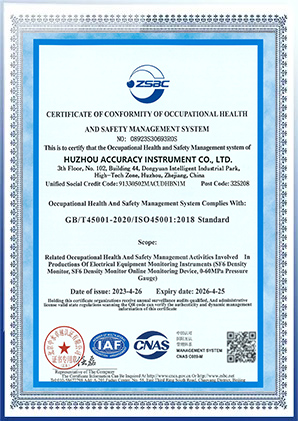
Our engineering facility strictly adheres to international standardizations, ensuring seamless installation and compliance across European, American, and Asian industrial markets.
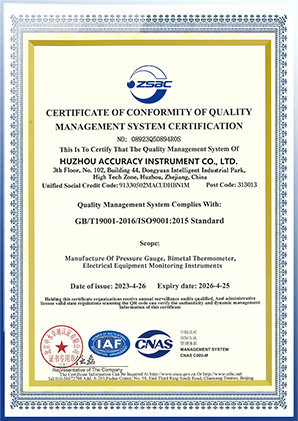
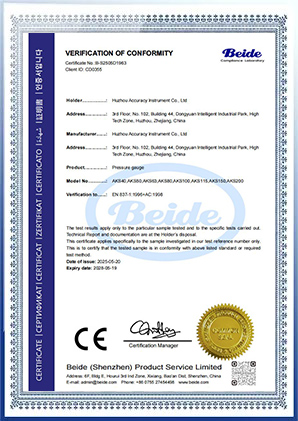
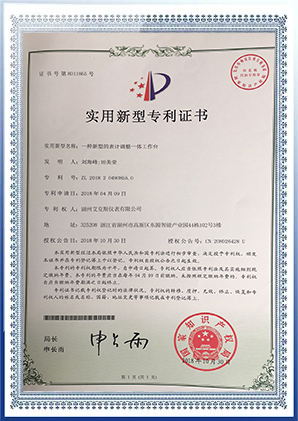
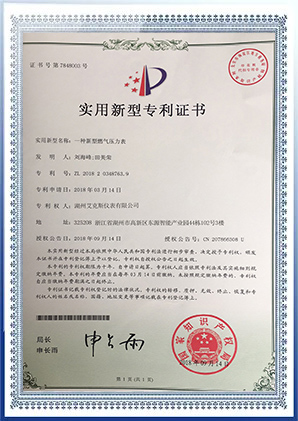
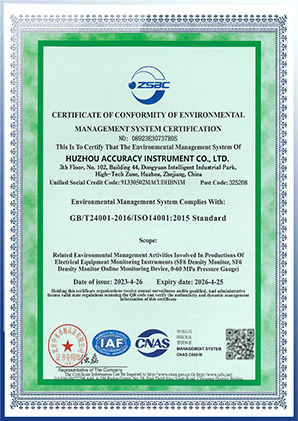
Navigating global import regulations requires strict alignment with safety and performance standards. Huzhou Accuracy Instrument Co., Ltd. maintains a full suite of international accreditations to simplify worldwide deployment:
Rigorous laboratory testing and continuous compliance verify our "zero-leak" performance benchmark under certified ISO frameworks.
Expert answers regarding electronic thermometer definitions, factory procurement, technical specifications, and international shipping.
Select from our extended inventory of capillary gauges, oxygen manometers, common rail pressure sensors, and electric contact units.
 Accuracy Instrument