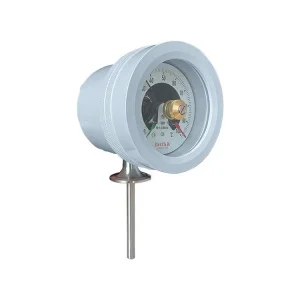
Explore our certified precision temperature & pressure measurement devices designed for industrial thermal processing, HVAC systems, and heavy OEM applications.
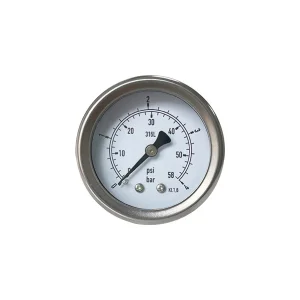
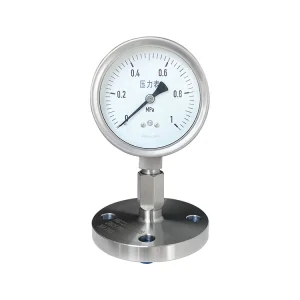
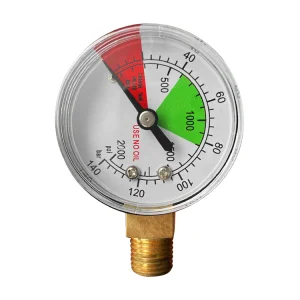
In high-stakes commercial food processing, industrial heat treatment, and specialized thermal enclosures, an inaccurate oven thermometer compromises product integrity, safety compliance, and operational efficiency.
For low-to-mid range thermal instruments, submerge the sensing stem in a saturated ice water slush mixture (50% crushed ice, 50% distilled water). A accurate industrial bimetallic thermometer will register exactly 0°C (32°F) with a maximum permissible error (MPE) of ±1% under ASME B40.3 standards.
Immersing the probe into pure boiling water yields 100°C (212°F) at standard sea-level pressure (101.3 kPa). Industrial OEMs calibrate for barometric pressure offsets, subtracting 1°F for every 500 feet of elevation gain above sea level to eliminate environmental measurement distortion.
Deploying a calibrated NIST-traceable digital reference probe (such as a Platinum Resistance Thermometer Pt100) adjacent to the OEM dial thermometer inside a stabilized thermal chamber. Discrepancies exceeding ±2°F indicate spring hysteresis or mechanical drift requiring recalibration or component replacement.
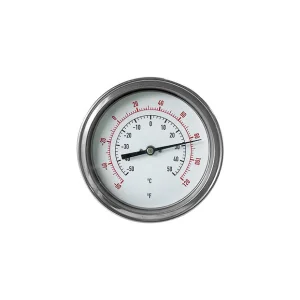
Bimetallic oven thermometers rely on two fused metals with differing Coefficients of Thermal Expansion (CTE), such as brass and stainless steel or nickel-iron alloys. Over extended thermal cycles up to 300°C (572°F) or 500°C (932°F), lower-grade alloys suffer from micro-structural fatigue leading to zero-shift drift. OEM high-precision instruments utilize laser-annealed helical springs that minimize mechanical hysteresis to less than 0.5% of full scale.
Precision temperature sensing is non-negotiable across global supply chains. From commercial food processing lines to industrial composite curing, temperature accuracy directly dictates product yield and regulatory safety compliance.
In automated bakeries, protein roasting lines, and dehydrated food manufacturing, precise oven temperatures ensure pathogen destruction while maintaining organoleptic quality. Under Hazard Analysis Critical Control Point (HACCP) frameworks and FDA FSMA mandates, oven thermometers must maintain a continuous accuracy threshold of ±1°C to prevent thermal under-processing or product degradation.
Industrial thermal processing of titanium alloys, carbon steel, and composite components requires strict Pyrometry compliance per AMS 2750. Industrial oven thermometers and bi-metal sensors mounted on heat-treating furnaces must demonstrate rigid System Accuracy Tests (SAT) and Temperature Uniformity Surveys (TUS), demanding zero thermal lag and high shock resistance.
| Application Sector | Accuracy Standard Required | Typical Temperature Range | Key Risk of Instrument Inaccuracy | Recommended Sensor Material |
|---|---|---|---|---|
| Commercial Bakery / Catering | ±1.0°C to ±2.0°C | 50°C – 300°C (122°F – 572°F) | Uneven bake, HACCP non-compliance, energy waste | 304 Stainless Steel Stem, Shatterproof Glass |
| Industrial Powder Coating | ±1.5% Full Scale | 150°C – 250°C (302°F – 482°F) | Incomplete polymer cross-linking, surface peeling | 316L SS Heavy Duty Housing, Bimetallic Coil |
| Aerospace Heat Treating | ±0.5% Class A / Class 1.0 | 200°C – 800°C (392°F – 1472°F) | Structural metal fatigue, metallurgical failure | Inconel Sheath / Diffused Silicon Transducer |
| Laboratory Enclosures | ±0.25°C High Precision | -40°C – 200°C (-40°F – 392°F) | Experimental bias, sample thermal shock | Hermetic Sealed 316 SS with Liquid Fill Option |
The global mechanical and electronic temperature sensor industry is shifting toward hybrid smart sensing, hermetic laser welding, and automated calibration matrices.
Traditional rolled-bead dial casings permit humidity ingress under high-steam oven environments, fogging glass and rusting interior springs. Next-generation OEM thermometers feature 360-degree continuous automated TIG or fiber laser welding between the dial bezel and stem, maintaining IP67/IP68 ingress protection ratings.
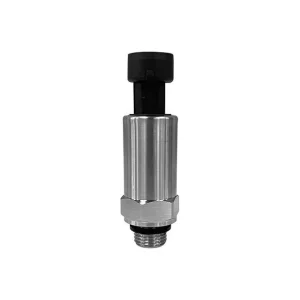
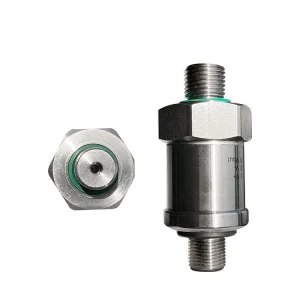
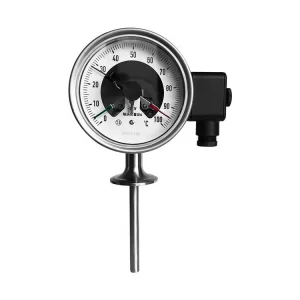
Bridging traditional analog reliability with modern Industry 4.0 data logging. Advanced bimetallic thermometers incorporate micro-diffused silicon sensors or thin-film ceramic transducers within the stem, outputting 4-20mA, 0-10V, or Modbus RS485 signals alongside analog dial visuals.
Engineered with custom stem insertion lengths (50mm to 1000mm) and high-conductivity thermal paste backfills. This design mitigates heat dissipation along the outer stem walls, ensuring that dial readings reflect true internal chamber temperatures rather than external ambient loss.
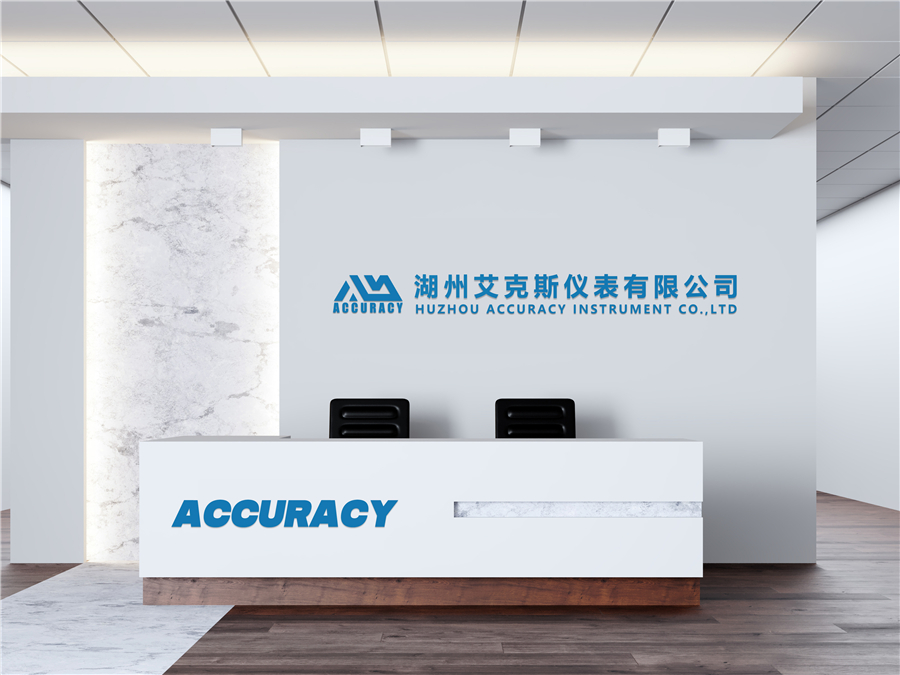
Huzhou Accuracy Instrument Co., Ltd. is professionally engaged in the development, sales, and service of industrial mechanical pressure gauges, bi-metal thermometers, SF6 manometers, and advanced pressure sensors. Products are widely deployed across mechanical engineering, chemical manufacturing, commercial food processing, pharmaceutical production, and high-technology electrical infrastructure.
Established over two decades ago, our modern pressure gauge and temperature instrumentation facility spans 3,000 square meters. Equipped with automated assembly units, laser-welding stations, and high-precision laser calibration systems, we deliver uncompromising reliability to international buyers across 30+ countries.
20 specialists focusing on material metallurgy, smart sensor integration, and compliance with API, ASME B40.3, and ISO international standards.
120 skilled technicians operating robotic assembly lines and computer-controlled pressure & temperature calibration rigs.
100% thermal cycle testing and pressure impulse testing in accordance with ISO 9001 and ISO 17025 laboratory benchmarks.
Adhering strictly to "Reasonable Price, Accurate Delivery, Zero-Defect Quality" under ISO 9001:2008 & CE standard mandates.
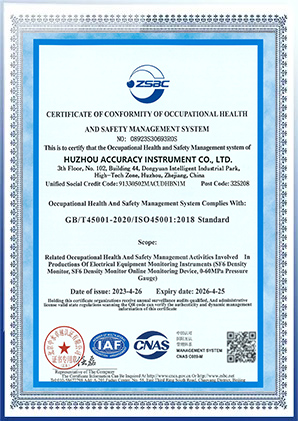
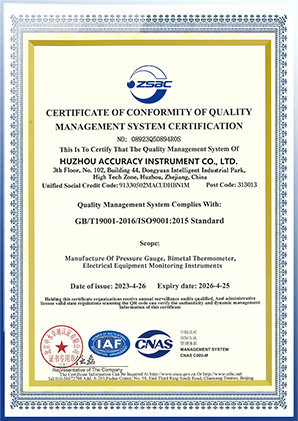
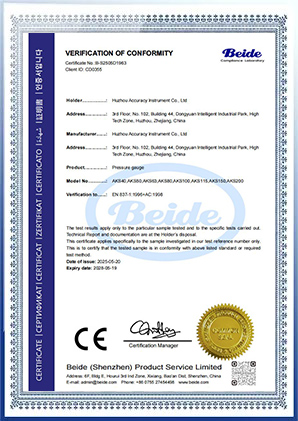
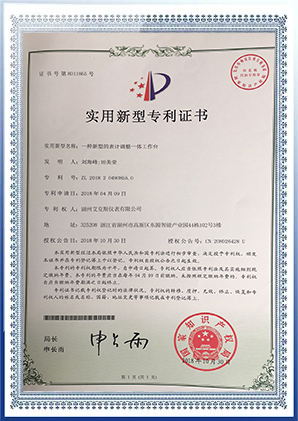
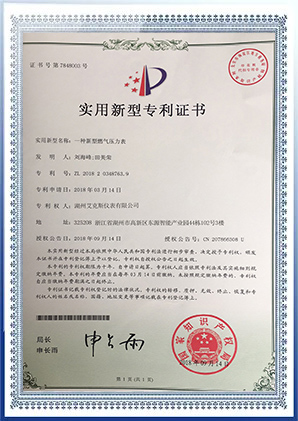
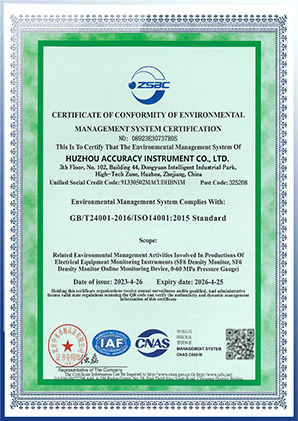
We provide global brand owners, equipment manufacturers, and distributors with turnkey engineering solutions tailored to exact environmental and mechanical constraints.
We engineer custom dials with dual scales (°C / °F), color-coded temperature safety zones (HACCP zones, safe baking ranges, over-heat warnings), and custom corporate logos. Scale ranges span from -50°C up to +600°C with custom dial diameters from 1.5” (40mm) to 6” (150mm).
Stems are manufactured from 304, 316L Stainless Steel, or Inconel alloys to withstand severe corrosive atmospheres, high-salinity marine air, or acid-cleaning chemicals. Mounting options include adjustable NPT/BSP threads, back-flange panel mounts, or every-angle swivel joints.
Expert insights on calibration verification, mechanical tolerance, and industrial ordering specs.
For commercial food facilities operating under HACCP guidelines, oven thermometers should undergo verification testing at least once a month, or immediately following any mechanical shock (e.g., dropping the device). In aerospace or critical heat-treating environments under AMS 2750 standards, System Accuracy Tests (SAT) are conducted on a bi-weekly or monthly schedule.
Built-in appliance sensors are often mounted near outer air vents or heating elements, measuring localized temperatures that fluctuate as elements cycle on and off. A dedicated bimetallic oven thermometer placed at rack height measures true ambient convection heat surrounding the product. Furthermore, oven air hot-spots can cause localized variance of 15°F to 35°F.
Yes, industrial-grade bimetallic thermometers produced by Huzhou Accuracy Instrument feature a hex-nut calibration screw located on the back of the dial casing. By holding the stem securely with a wrench and turning the calibration hex nut while immersed in a known ice-bath (0°C/32°F) or reference standard, the pointer can be zero-adjusted to restore perfect accuracy.
Our instruments adhere to international ASME B40.3 Grade A standards (±1% full scale range) and EN 13190 Class 1.0 / Class 1.6 standards. For high-precision laboratory or aerospace applications, customized Class 0.5 instruments are available upon engineering review.
Thermal drift occurs when low-quality bimetallic coils suffer structural micro-strain from rapid thermal cycling without proper stress-relieving heat treatments during manufacturing. Huzhou Accuracy Instrument utilizes vacuum-annealed bimetallic springs that maintain linear elastic behavior and zero-point stability across tens of thousands of thermal cycles.
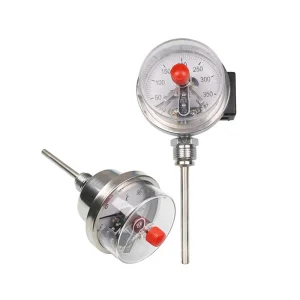
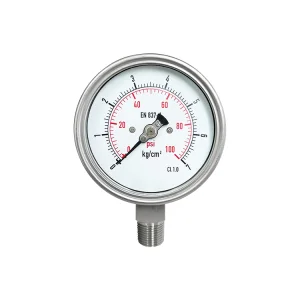
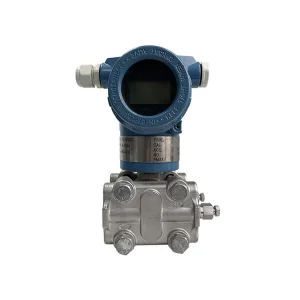
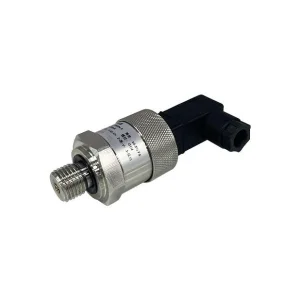
Browse our full lineup of OEM pressure gauges, bimetallic thermometers, explosion-proof switches, and ceramic transducers direct from the factory.
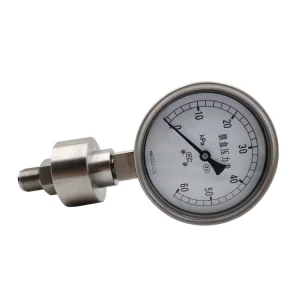
 Accuracy Instrument