Frequently Asked Questions
Q
What is the typical pressure measurement range of this diaphragm pressure gauge?
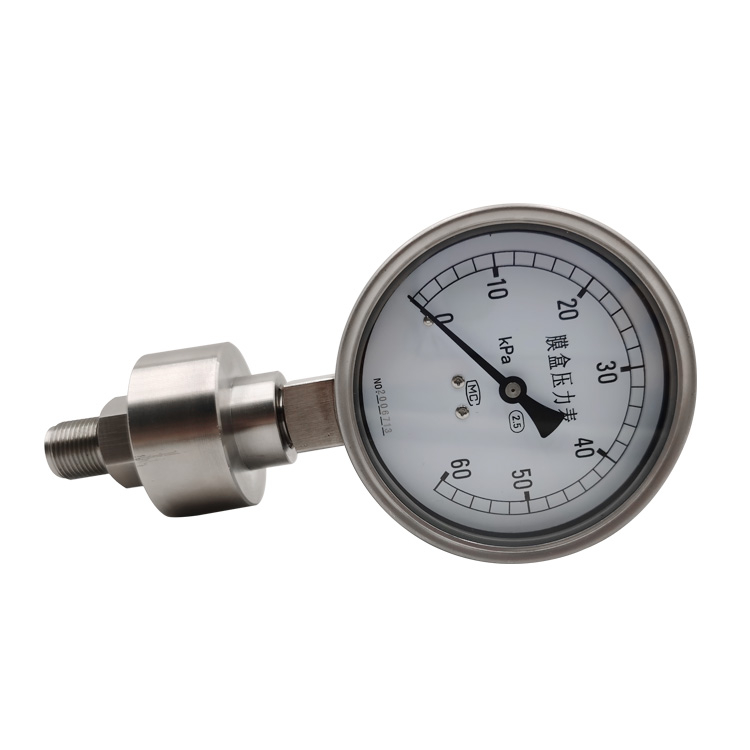
This gauge is designed for micro-pressure and low-pressure applications, typically covering ranges from negative pressure (e.g., -10~0 kPa) up to 60 kPa. Its high resolution makes it far more accurate than standard Bourdon tube gauges in these low-pressure ranges.
Q
What thread standards are available for the connection?
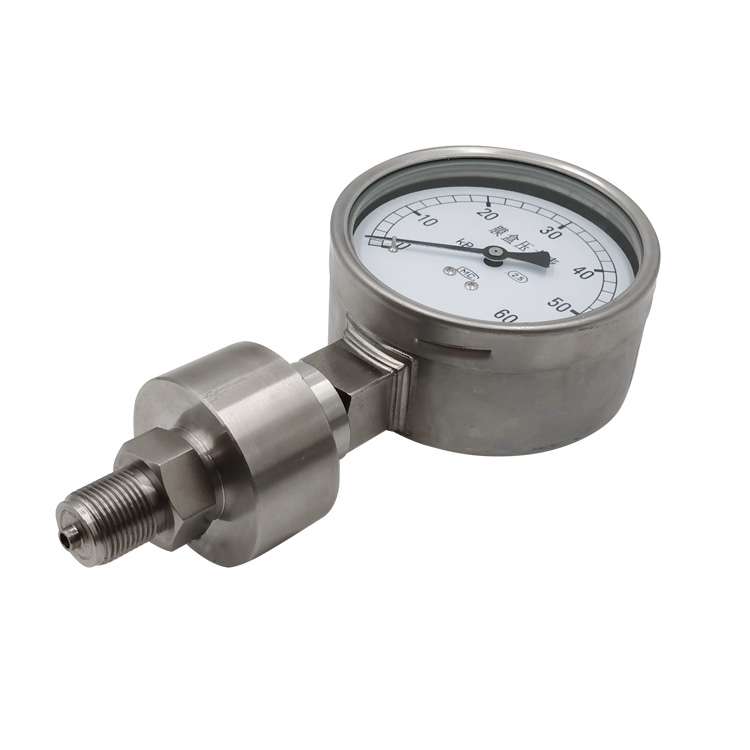
The gauge supports multiple thread standards including 1/8", 1/4", 3/8", and 1/2" sizes, compatible with PT (BSPT, ZG), BSP (G, PF), and NPT thread types, making it suitable for a wide variety of international piping systems.
Q
Can this gauge be used with corrosive gases or media?
Yes. The sealed isolation structure is specifically designed to protect the internal diaphragm element from corrosive gases, moisture, or media containing small particles. This significantly extends the instrument's service life in harsh environments.
Q
Is this pressure gauge suitable for environments with vibration or pressure fluctuations?
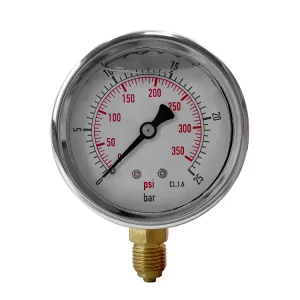
Yes. The diaphragm element provides elastic buffering, and the sealing fluid adds damping to resist minor vibrations and pressure fluctuations. This ensures stable and reliable readings even in dynamic or vibration-prone industrial environments.
Q
What are the main materials used in the construction of this gauge?
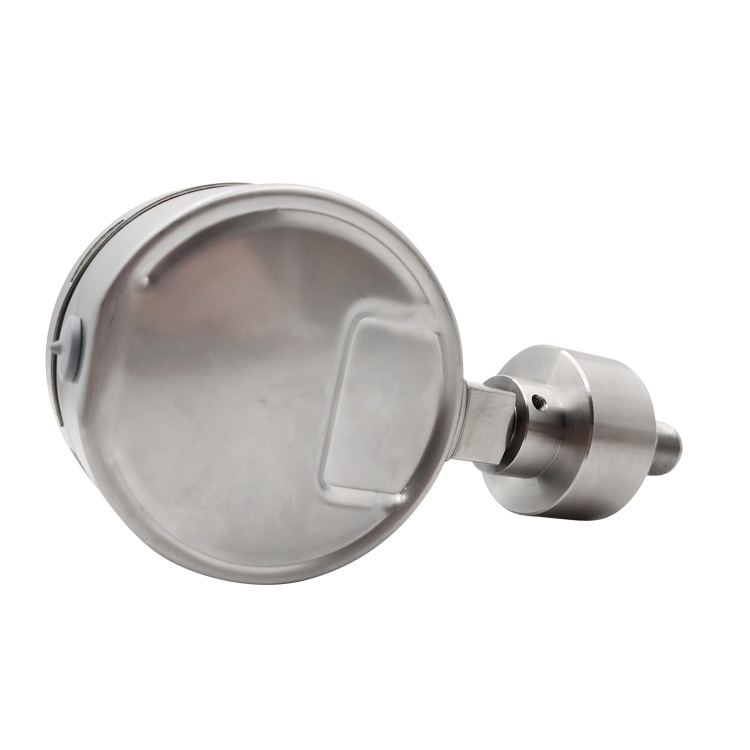
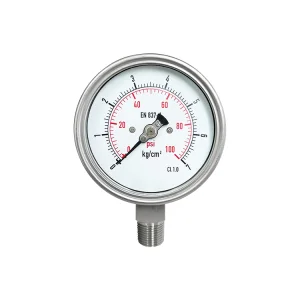
The case, ring (cover), connection, Bourdon tube element, and movement are all made of stainless steel. The pointer is aluminum alloy with a black finish, and the dial plate is white aluminum with black graduations, ensuring durability and clear readability.
Q
What routine maintenance does this pressure gauge require?
The sealed structure minimizes the risk of media leakage and reduces maintenance needs. Routine maintenance primarily involves periodic accuracy calibration to ensure measurement precision over time. No complex disassembly or internal cleaning is typically required.
 Accuracy Instrument