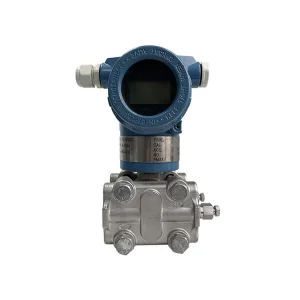
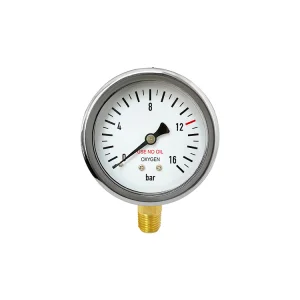
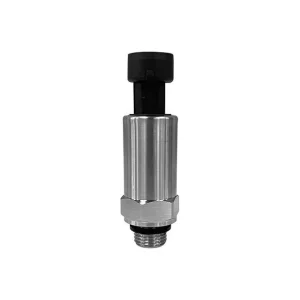
High-accuracy industrial pressure sensors, bimetallic thermometers, and custom measurement instruments engineered for extreme conditions.
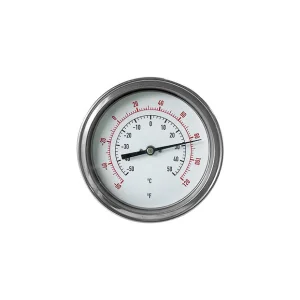
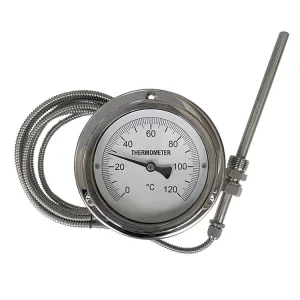
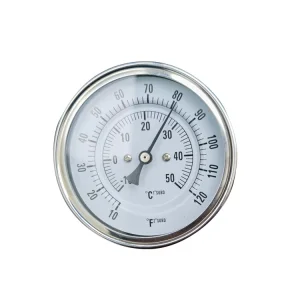
In modern process control, thermal measurement remains the foundational metric for operational safety, chemical stoichiometry, and thermodynamic efficiency. A Bimetal Thermometer is a heavy-duty mechanical temperature-measuring instrument that converts thermal energy into mechanical displacement using a bimetallic strip composed of two distinct metals with significantly different coefficients of thermal expansion (CTE).
The core element consists of two metal strips—typically brass or stainless steel paired with Invar (a nickel-iron alloy with an extremely low CTE)—cold-welded or bonded together under high pressure. When exposed to thermal variation, the high-expansion metal expands rapidly while the low-expansion metal resists growth. This disparity forces the bonded strip to bend or curl with mathematical predictability according to the deflection formula:
To optimize space and mechanical leverage inside a narrow protective stem, OEM manufacturers wind the bimetallic strip into two primary configurations:
The global market for industrial bimetal thermometers is experiencing steady growth driven by strict environmental safety regulations, process automation, and expanding infrastructure across Asia-Pacific, North America, and Europe. Unlike electronic sensors (RTDs, Thermocouples) that depend on external electrical power, mechanical bimetal gauges offer intrinsic safety—making them indispensable in hazardous, explosive, or off-grid industrial environments.
Demands heavy-duty, explosion-proof, hermetically sealed stainless steel (316L) gauges capable of withstanding corrosive media (H2S), extreme vibration, and harsh ambient weather.
Requires cost-effective, high-volume production of back-connect or bottom-connect brass/steel thermometers featuring adjustable stem lengths for duct and liquid line monitoring.
Mandates Tri-Clamp hygienic process connections, mirror-polished SS316 stems, and compliance with 3-A or FDA standards for CIP (Clean-In-Place) operations.
While bimetallic technology is anchored in classical mechanical physics, modern OEM suppliers are driving significant technological evolution. Industry 4.0 demands integrated hybrid instruments that merge local visual display with digital fieldbus communication.
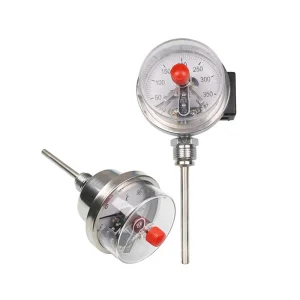
Integrating magnetic snap-action contacts or inductive alarm switches into standard 100mm/150mm bimetal dials. This allows the gauge to operate as a local display while concurrently tripping physical circuit breakers or signaling PLC systems during thermal spikes.
Utilizing physical vapor deposition (PVD) to coat stem surfaces with PTFE, Tantalum, or Hastelloy layerings. This enhances chemical resistance in highly acidic applications, extending calibration longevity by over 300% in aggressive fluid processing.
Addressing pointer flutter caused by heavy industrial pumps and compressors. Fluid-filled cases (silicone oil or glycerin) coupled with dampened bimetal coils absorb mechanical kinetic energy, preserving measurement integrity and preventing gear wear.
Incorporating external zero-reset adjustment screws on the back of the casing. Maintenance technicians can recalibrate accuracy tolerances in the field against reference standards without breaking the hermetic dial seal.
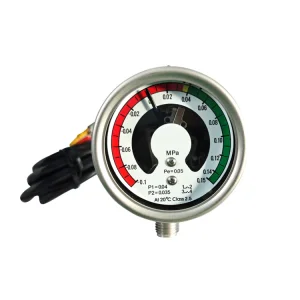
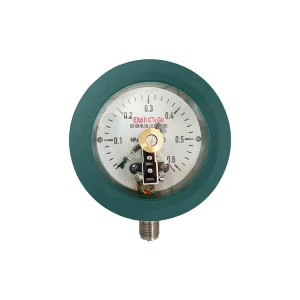
With over two decades of dedicated industrial measurement engineering, Huzhou Accuracy Instrument Co., Ltd. stands as a premier global manufacturer and OEM supplier of industrial mechanical pressure gauges, bimetal thermometers, SF6 gas density monitors, and microfused pressure sensors.
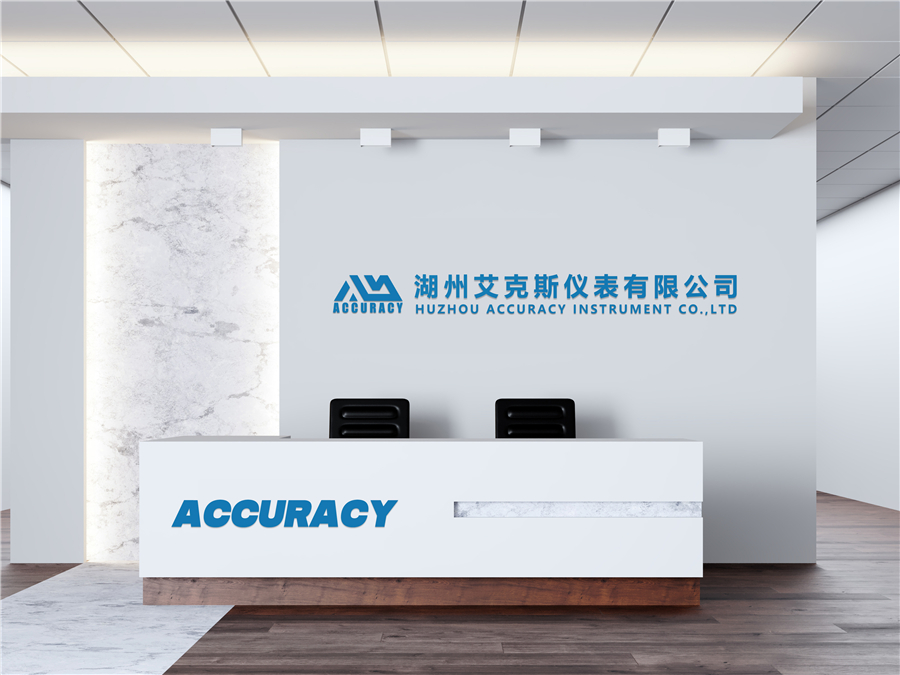
Spanning a modern 3,000 square meter manufacturing plant, our facility is equipped with automated assembly lines, laser welding cells, and computerized temperature/pressure calibration rigs. We integrate rigorous quality control frameworks adhering to ISO 9001:2008 standards to ensure zero-leak performance and high precision across every unit shipped.
20 Specialists: Dedicated to material innovation, finite element analysis (FEA) of thermal expansion strips, smart sensor integration, and compliance with international standards (ISO, API, ASME).
120 Technicians: Operating automated CNC machining center, laser welding stem units, and robotic calibration setups to guarantee structural durability and precise ±1.0% FS tolerance.
15 Professionals: Providing 24/7 technical consulting, custom OEM/ODM drawing reviews, and full lifecycle support across North America, Europe, Middle East, and Asia.
Our testing laboratory conducts 100% thermal cycle immersion tests, over-temperature limit exposure, vibration resistance testing, and environmental environmental simulations adhering strictly to ISO 9001 and ISO 17025 benchmark criteria. Supported by a 1-year replacement warranty, our instruments are proven for zero-leak performance in severe operational environments.
We follow the core operational philosophy of "reasonable price, accurate delivery, and uncompromising quality." Our manufacturing protocols guarantee compliance with global international markets.
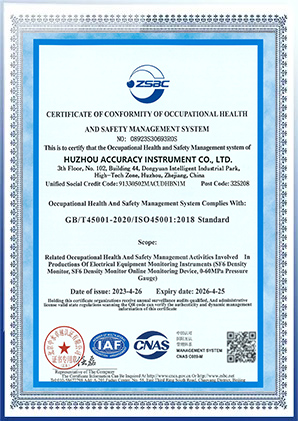
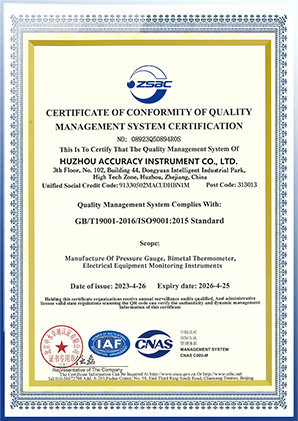
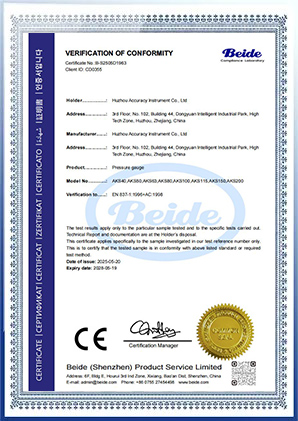
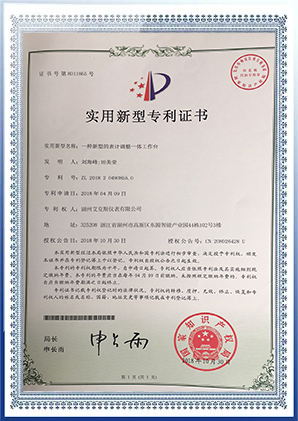
When evaluating OEM suppliers for large-scale industrial instrumentation, procurement officers and engineering directors must look beyond price per unit. The operational reliability of mechanical instruments depends on strict material selection, hermetic construction, and precision calibration processes.
OEM suppliers must offer standardized dial diameters (2″, 2.5″, 3″, 4″, 5″, 6″) with flexible mounting options: Back Connection, Bottom Connection, or Every-Angle Adjustable Connection allowing 180° rotation during installation.
Verify that the supplier utilizes standard 304 Stainless Steel or upgraded 316L Stainless Steel for stems. Thread configurations should include NPT, BSP, BSPT, or G-threads (1/4″, 3/8″, 1/2″) cut to ANSI/ASME tolerances.
For high-pressure, corrosive, or high-velocity fluid conduits, temperature stems must be isolated via thermowells (Threaded, Flanged, or Weld-in). OEM partners should manufacture compatible thermowells to prevent process shut-downs during maintenance.
Expert technical insights regarding bimetal thermometer specification, calibration, and OEM selection.
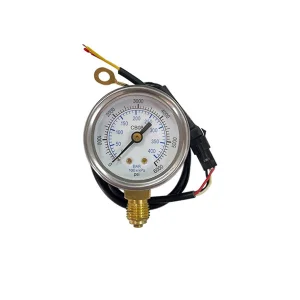
Explore our extended catalog of industrial pressure gauges, capillary thermometers, and specialized sensor assemblies.
 Accuracy Instrument