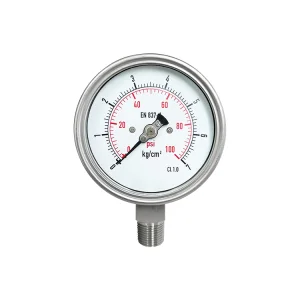
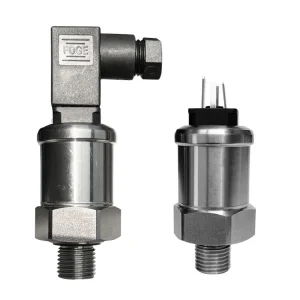
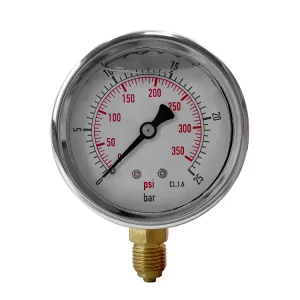
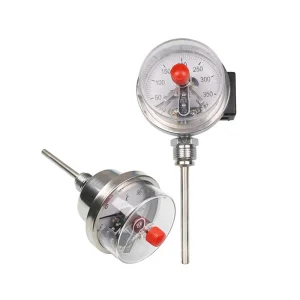
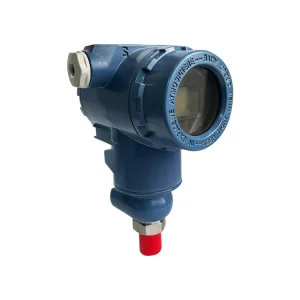
Advantages of micro-pressure measurement
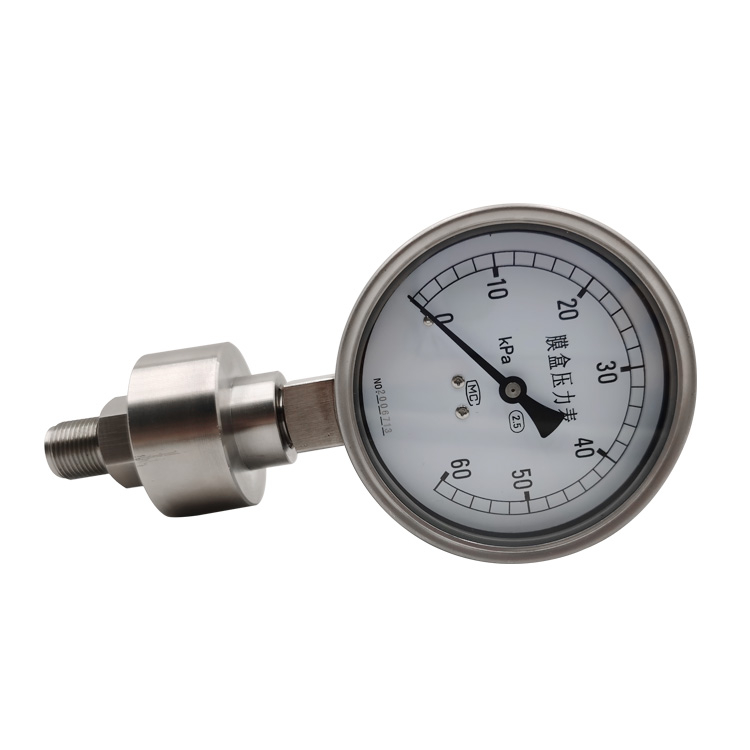
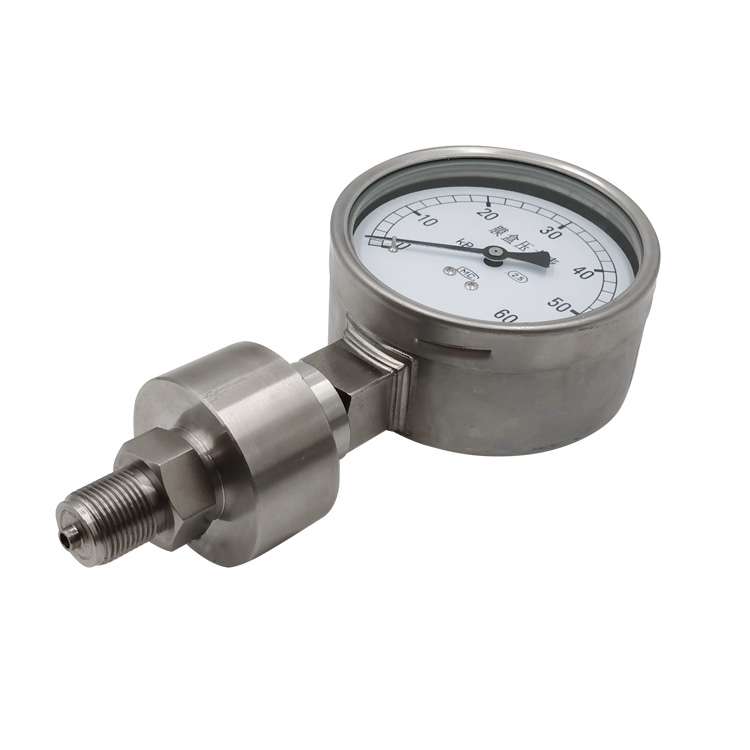
Extremely narrow measurement range, typically suitable for micro-pressure, low-pressure, and even negative pressure (e.g., -10~0 kPa) measurements within the 0~60 kPa range; resolution is far superior to ordinary Bourdon tube pressure gauges.
Excellent sealing and protection
The sealed isolation structure effectively isolates corrosive gases, moisture, or media containing small particles, protecting the internal diaphragm element from damage and extending the instrument's service life.
Vibration and shock resistance
The diaphragm element itself has a certain elastic buffering capacity, combined with the damping effect of the sealing fluid, effectively resisting minor external vibrations and pressure fluctuations, resulting in more stable measurement readings.
Easy installation and maintenance
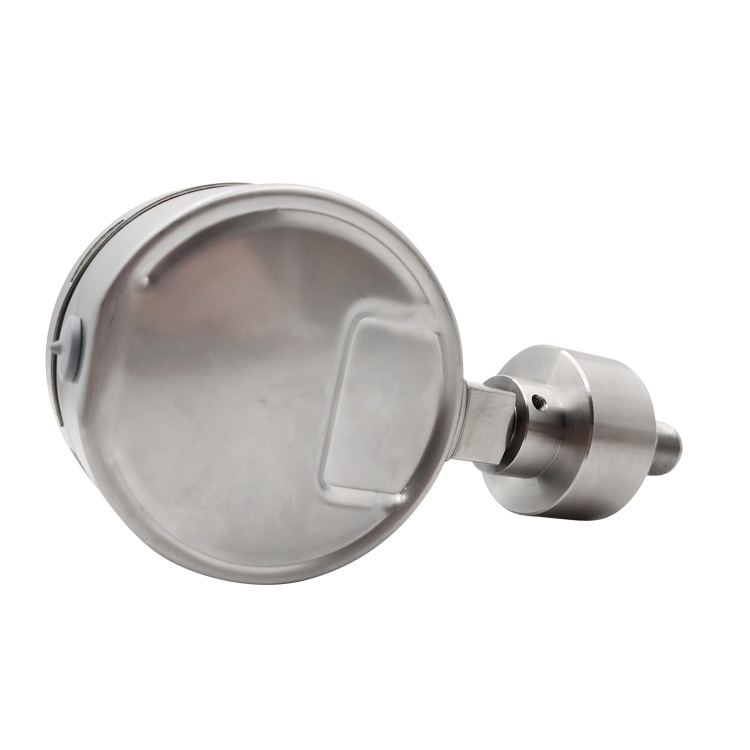
Compact size, with mostly threaded installation interfaces, suitable for small pipes or equipment; the sealed structure design reduces the risk of media leakage; routine maintenance only requires periodic accuracy calibration.
HVAC Industry
Measures air pressure and static pressure in ventilation ducts and air conditioning units, as well as furnace negative pressure.
Gas Industry
Monitors low-pressure areas in gas transmission pipelines to ensure a safe and stable gas supply.
Environmental Protection Industry
Used for differential or micro-pressure monitoring in baghouse dust collectors and desulfurization/denitrification equipment.
Light Industry
Measures the low-pressure values corresponding to gas pressure or liquid levels in paper and textile production lines.
What is the measurement range of this micro-pressure gauge?
It features an extremely narrow measurement range, typically suitable for micro-pressure, low-pressure, and even negative pressure measurements (e.g., -10~0 kPa) within the overall 0~60 kPa range.
How does the sealed isolation structure protect the instrument?
The sealed isolation structure effectively isolates corrosive gases, moisture, and media containing small particles. This prevents damage to the internal diaphragm element and significantly extends the service life of the gauge.
Is this pressure gauge resistant to vibrations?
Yes. The diaphragm element has a built-in elastic buffering capacity. When combined with the damping effect of the sealing fluid, it effectively resists minor external vibrations and pressure fluctuations, ensuring stable readings.
What type of maintenance is required?
Routine maintenance is minimal and generally only requires periodic accuracy calibration. The sealed structure design greatly reduces the risk of media leakage, making it very easy to maintain.
Which industries commonly use this pressure gauge?
It is widely used across multiple sectors including the HVAC industry (for ventilation ducts and AC units), the Gas industry (pipeline monitoring), Environmental Protection (dust collectors and desulfurization equipment), and Light Industry (paper and textile production lines).
 Accuracy Instrument