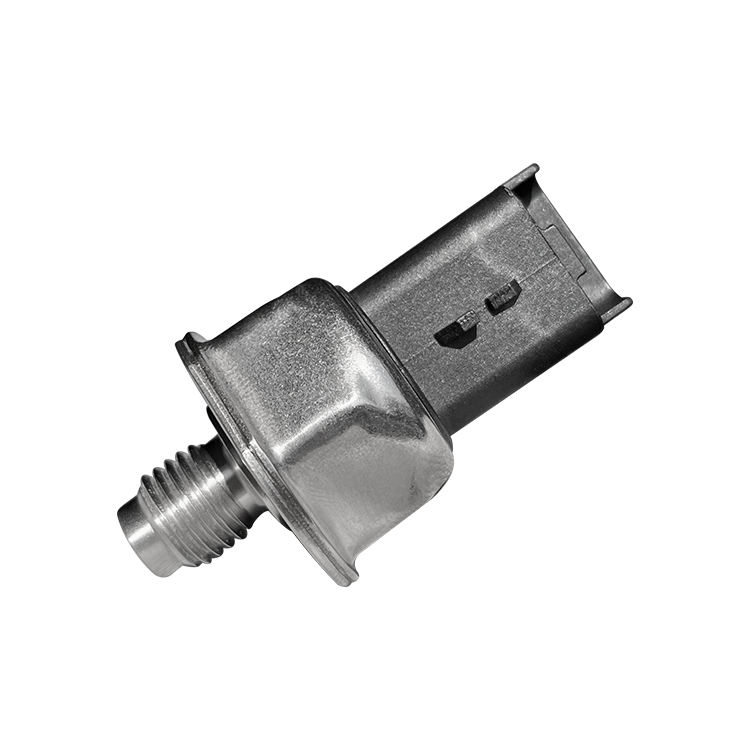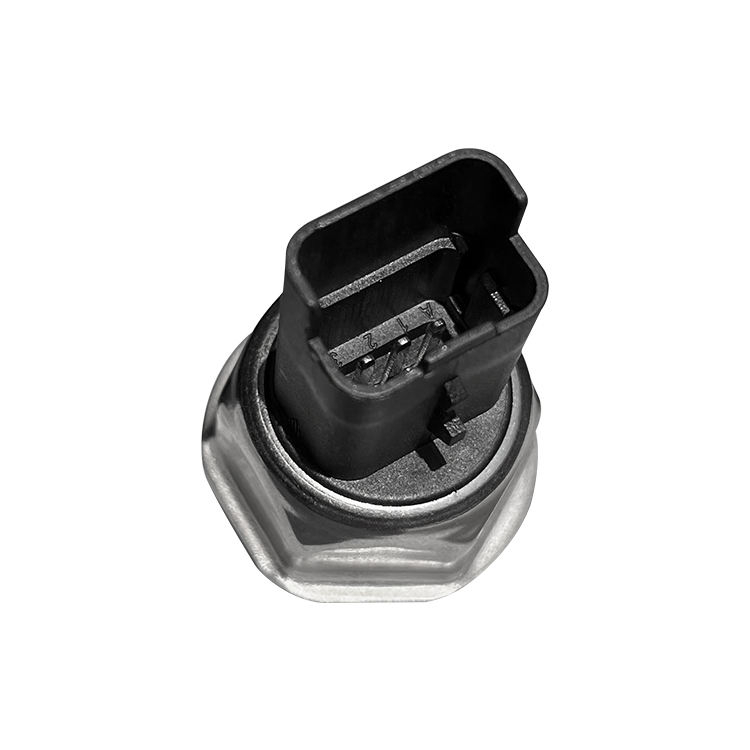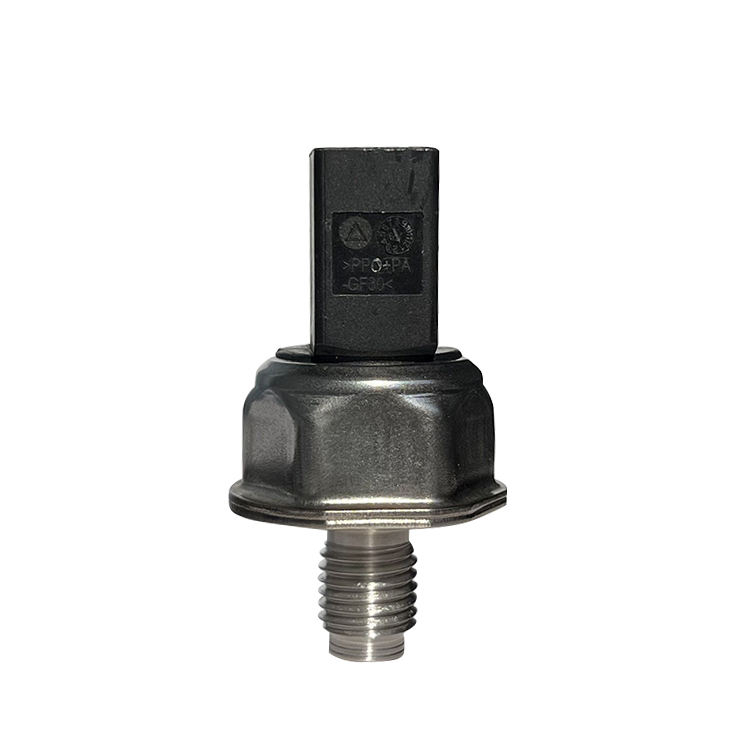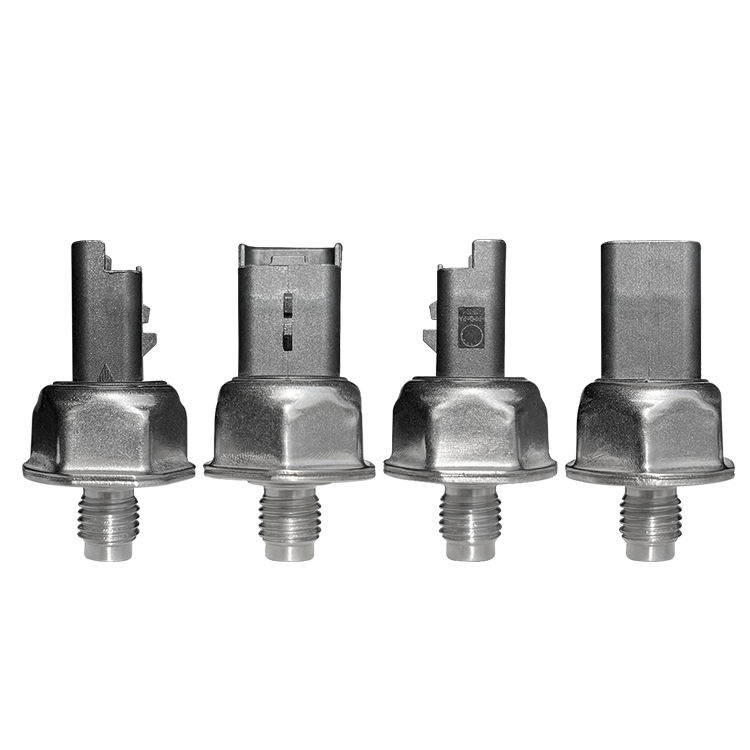
CE Certification AKS Glass Micro-fused Silicon Technology Pressure Sensor Pressure Transmitter Manufacturers, Factories

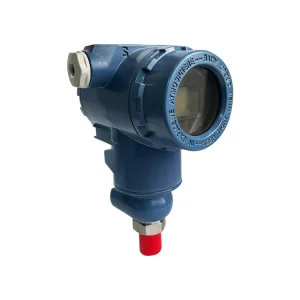
Micro-fused silicon technology pressure sensor is also called micro-fused or glass micro-melting pressure sensor. It uses high-temperature glass powder as the packaging medium to combine the silicon strain gauge and the stainless steel diaphragm into one structure through high-temperature sintering. This technology can realize the conversion from pressure to electrical quantity output.

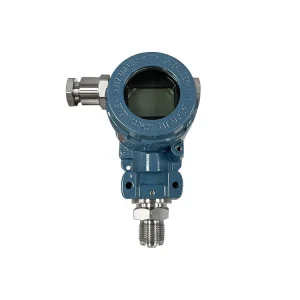
The Glass Micro-fused Silicon Pressure Sensor employs micro-fusion technology, incorporating aerospace application techniques. It is the core component for the manufacture of pressure sensors and pressure transmitters. As high-performance and shock resistant pressure sensitive component, it can be easily amplified and assembled into the pressure transmitters with standard signal output.

Product Description

Product Specifications

Measurement Type Gauge / Absolute / Sealed Reference
Pressure Range 10 bar~3000bar (customizable)
Output Signal 4-20mA, 0-5V, 0-10V
Supply Voltage 24(12~36)VDC
Accuracy ±0.25%, ±0.5% FS (customizable)
Temperature Range Operating: -20°C to +80°C; Storage: -40°C to +125°C
Load Capacity Up to 150% of full scale without damage
Electrical Connection M12×1.5, DIN connector, direct lead wire, hermetically sealed
Process Connection M20×1.5, G1/4, G1/2, NPT1/2 (customizable)
Display Option 4-digit LED or 5-digit LCD (optional)
Protection Rating IP65/IP67

Key Features

Wide Measure Range: 10bar~3000bar
High Overload: Integral diaphragm withstands 2~5 times overload and up to 10 times burst pressure
Complex Environment Use: Operating temperature -40℃~125℃ with anti-vibration & impact resistance
No Leakage: No silicone oil filling, zero leakage, and no risk of medium pollution
Excellent Stability: Long-term stability < ±0.2% FS/year
Robust Housing: Rugged 304/316L stainless steel enclosure for superior corrosion resistance
Multiple Pressure Types: Available in gauge, absolute, and sealed reference configurations
Harsh Environment Adaptability: Designed to maintain accuracy under extreme operation conditions

Applications

Industrial process detection and control systems
Pumping stations and water treatment systems
Automated detection systems
Hydraulic Servo Control System Pressure Monitoring
Aerial Work Platform Pressure Monitoring
Pressure calibration instruments
Refrigeration equipment and HVAC control

Installation & Usage Notes

Mount vertically on the pressure port to avoid stress-induced measurement errors.
Avoid direct sunlight exposure and heavy rain when installed outdoors.
In lightning-prone regions, install dedicated surge protection equipment and ensure reliable system grounding.
Zero point and span adjustments can be fine-tuned via internal potentiometers if required (units come factory pre-calibrated).
Fully compatible with standard SCADA, DCS, PLCs, and smart instrumentation control systems.

Frequently Asked Questions

1. What pressure ranges and measurement types are available?

This pressure sensor supports standard pressure ranges from 10 bar up to 3000 bar (customizable). It is available in Gauge, Absolute, and Sealed Reference pressure types to suit diverse application needs.

2. What output signals are compatible with system controllers?

The device provides standard analog output options including 4-20mA, 0-5V, and 0-10V, making it seamlessly compatible with PLCs, SCADA systems, DCS, and smart instrumentation.

3. Is this pressure transmitter suitable for harsh industrial environments?

Yes. Designed with an IP65/IP67 rating and a rugged 304/316L stainless steel housing, it withstands vibration, impact, and operating temperatures ranging from -20°C to +80°C (storage from -40°C to +125°C).

4. How does the sensor prevent media leakage and contamination?

The transmitter features a dry non-silicone oil filling structure, completely eliminating the risk of internal liquid leakage and medium contamination during operation.

5. What process and electrical connection options are supported?

Standard process connections include M20×1.5, G1/4, G1/2, and NPT1/2 (customizable options available). Electrical connections include M12×1.5, DIN connector, direct lead wire, and hermetically sealed leads.
Related Products