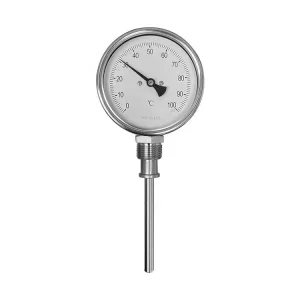
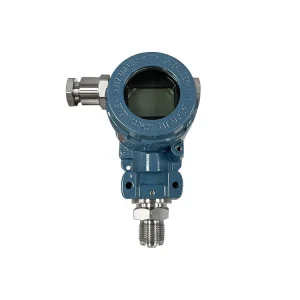
Industrial-grade NGV valves, transducers, and pressure gauges engineered for extreme operational safety.
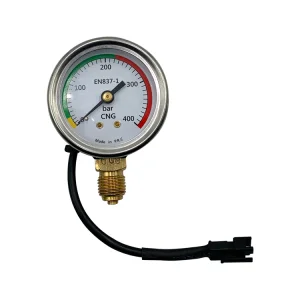
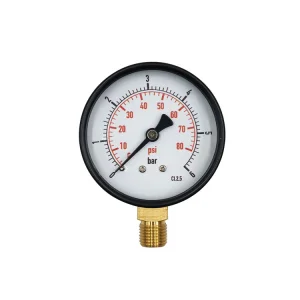
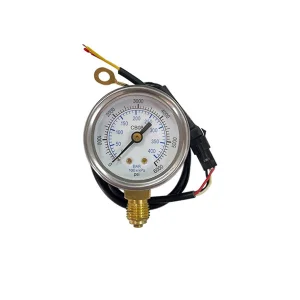
Deep-dive analysis into alternative fuel adoption, regulatory pressure, and safety-critical hardware demand.
The global transition toward clean-energy mobility and decarbonized industrial logistics has positioned Compressed Natural Gas (CNG) as a crucial transitional fuel bridge. Central to this infrastructure is the CNG receptacle—a specialized, high-pressure fueling interface designed to handle rapid natural gas transfers at operational pressures typically ranging from 200 bar (2,900 psi) to 250 bar (3,600 psi), with burst pressure safety margins exceeding 400 bar.
In regions such as South America (Brazil, Argentina), South Asia (India, Pakistan), Europe (Italy, Poland, Germany), and the Middle East, the adoption of Natural Gas Vehicles (NGVs) across municipal transit fleets, heavy-duty long-haul trucking, and passenger bi-fuel vehicles has accelerated exponentially. As fleet operators demand shorter refueling dwell times and zero-leak reliability, the precision engineering of CNG receptacles, internal check valves, and integrated resistive pressure gauges has become a non-negotiable benchmark for automotive OEMs and industrial gas refuelers alike.
Navigating global compliance requires absolute adherence to rigorous international standards. In the European Union and international markets adhering to UNECE regulations, CNG receptacles and associated pressure monitoring devices must meet two primary regulatory frameworks:
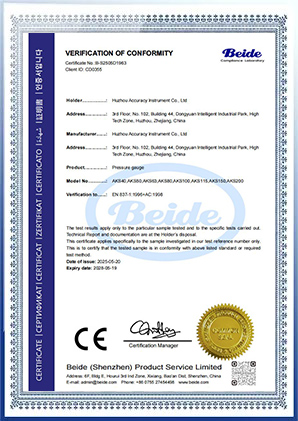
At Huzhou Accuracy Instrument Co., Ltd., our CNG receptacles and integrated pressure manometers undergo comprehensive laboratory verification, ensuring full alignment with CE, ISO 9001, and ISO 17025 testing protocols.
Advanced metallurgy, precision CNC machining, and automated quality control standards.
Utilizing high-tensile Stainless Steel (316L/304) and specialized coated brass alloys to eliminate galvanic corrosion and stress cracking caused by trace hydrogen sulfide (H2S) in natural gas.
Integrated low-friction non-return check valves with optimized hydrodynamic internal flow channels, minimizing flow resistance and fuel fill times while guaranteeing instant zero-leak shut-off.
Direct coupling options with 5V/12V resistive output pressure gauges and diffused silicon transducers for real-time dashboard telemetry and electronic control unit (ECU) signal integration.
Equipped with highly specialized HNBR and Viton O-rings engineered specifically to prevent explosive decompression (AED) during rapid vent and purge sequences.
Includes heavy-duty tethered protective dust caps featuring secondary environmental lip seals to keep road grime, water spray, and abrasive particulate out of the coupling interface.
Every batch undergoes helium mass spectrometer leak detection down to 1x10^-6 mbar·l/s, ensuring absolute zero leak performance under working pressure extremes.
Unrivaled manufacturing scalability, cost-efficiency, and customized OEM solutions.
CNG receptacles and pressure control instruments perform vital roles across diverse commercial and industrial application environments:
In municipal taxicab fleets and light passenger vehicles, space constraints require compact, ergonomic CNG receptacle designs with integrated 1/4" NPT or SAE thread ports. Direct coupling with 5V or 12V resistive pressure gauges enables seamless communication with auto-gas switches and dashboard fuel indicators, providing accurate pressure readings regardless of vibration or temperature fluctuations.
Heavy-duty transport trucks and municipal buses utilize high-flow CNG receptacles (such as ISO 14469 Size 2 profiles) to handle rapid refueling speeds exceeding 100 kg/min. These systems demand exceptionally robust check valve springs and reinforced mounting brackets to endure severe chassis vibrations and continuous multi-shift fueling routines.
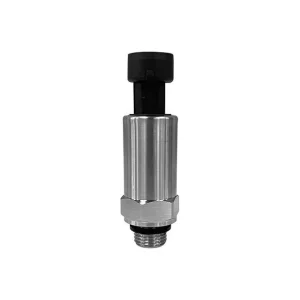
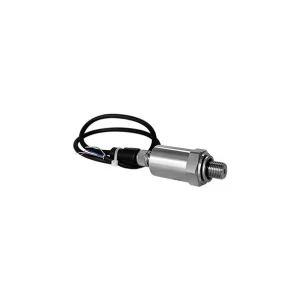
Beyond automotive applications, CNG receptacles serve as vital connect-disconnect points for CNG tube trailers, cascade storage banks, and daughter station dispensers in remote industrial areas lacking direct pipeline access. Here, reliable pressure transmitters (such as our AKS diffused silicon transducers) deliver 0-10V or 4-20mA telemetry back to central SCADA monitoring systems.
China has established itself as the global epicenter for precision gas instrument manufacturing. By combining vast raw material supply chains, advanced CNC multi-axis machining centers, and an experienced engineering workforce, Chinese factories offer an unprecedented price-to-performance ratio without compromising quality standards.
At Huzhou Accuracy Instrument Co., Ltd., we leverage over two decades of localized supply chain integration and internal technology investments to deliver distinct advantages to international procurement partners:
Strategic evaluation metrics for B2B buyers and future developments in clean gas technology.
When selecting a Tier-1 OEM supplier for CNG receptacles and pressure monitoring components, enterprise procurement directors must evaluate vendors across five critical technical pillars:
Ensure the manufacturer verifies minimum 4:1 safety factors (e.g., 200 bar working pressure / 800 bar burst threshold) backed by burst test certificates.
Verify that internal seals (HNBR/Viton) and metal bodies are chemically inert to natural gas contaminants, methane variations, and moisture content.
Components mounted underneath vehicle chassis must pass rigorous salt spray tests (minimum 96 hours ASTM B117) to withstand winter road de-icing salts.
As the alternative fuel industry evolves, three key technological shifts are shaping next-generation CNG receptacle and instrumentation design:
20 Years of Excellence in Precision Pressure & Temperature Instrumentation
Huzhou Accuracy Instrument Co., Ltd. is professionally engaged in the development, sales, and servicing of industrial mechanical pressure gauges, bi-metal thermometers, SF6 manometers, and advanced pressure sensors. Our solutions are trusted worldwide in Mechanical Engineering, Chemical Engineering, Food Processing, Pharmaceuticals, and high-technology auto gas systems.
Spanning over 3,000 square meters of state-of-the-art production space, our facility is equipped with automated assembly lines, laser calibration systems, and rigorous quality inspection units capable of yielding over 2 million precision units annually.
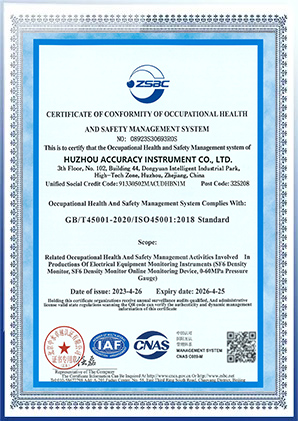
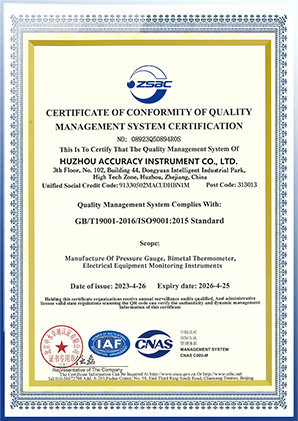
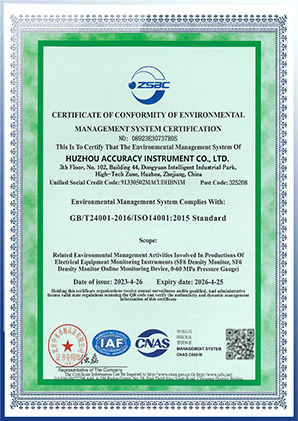
Adhering to ISO 9001:2008 standards for zero-leak reliability under extreme industrial conditions.
Technical guidance for engineers, procurement officers, and NGV conversion specialists.
CE Certification ensures that the CNG receptacle or pressure gauge complies with strict European safety directives, specifically the Pressure Equipment Directive (PED 2014/68/EU) and relevant vehicle standards like ECE R110. It guarantees that the component has undergone rigorous hydrostatic pressure testing, thermal cycling, and chemical compatibility evaluations to prevent catastrophic structural failure under high pressure (200-250 bar).
Our standard CNG automotive pressure gauges and fueling receptacles are rated for standard working pressures of 200 bar (2,900 psi) and 250 bar (3,600 psi), with maximum scale readings up to 400 bar (6,000 psi) to handle extreme pressure surges. All components feature built-in burst thresholds of at least 4x working pressure.
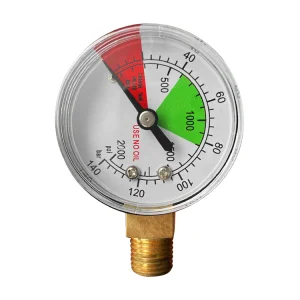
Our resistive CNG gas pressure gauges (such as 5V and 12V models) utilize integrated electronic sensor boards paired with non-contact magnetic movement sensors. As internal pressure changes the position of the Bourdon tube, the sensor outputs a proportional electrical resistance signal (typically 0-90 ohm or 0.5-4.5V) directly to the auto-gas ECU and dashboard fuel gauge.
Yes. We offer extensive OEM/ODM customization services. We can manufacture CNG receptacles and pressure gauges with customized thread standards including ¼ NPT, G¼, M12x1.5, or SAE threads. Additionally, we provide custom dial logo printing, customized electrical lead lengths, and custom color-coded pressure zones.
Regular maintenance involves checking the external dust cap to ensure dirt and moisture do not enter the coupling mechanism. Elastomeric internal seals should be inspected every 12 to 24 months depending on refueling frequency. Any sign of slow check valve leakage or mechanical deformation mandates immediate replacement of the internal valve core or complete receptacle assembly.
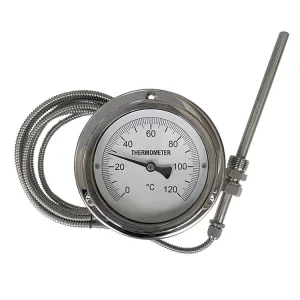
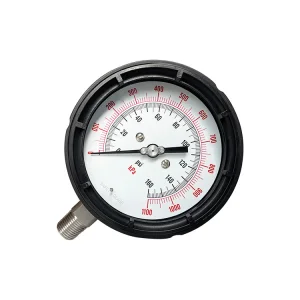
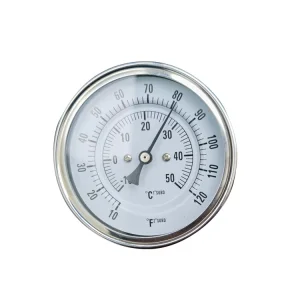
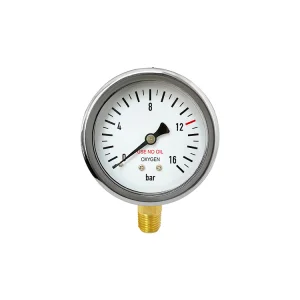
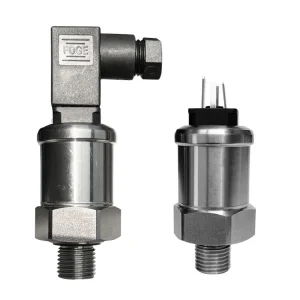
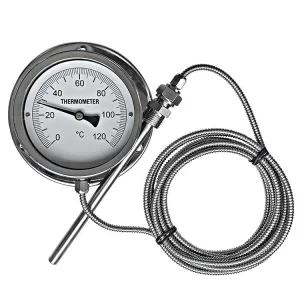
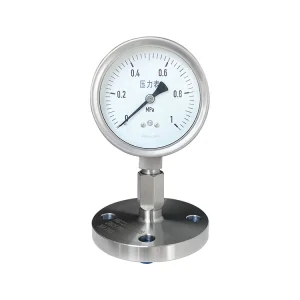
Explore our high-precision pressure transmitters, bimetallic thermometers, and heavy-duty industrial gauges.
 Accuracy Instrument