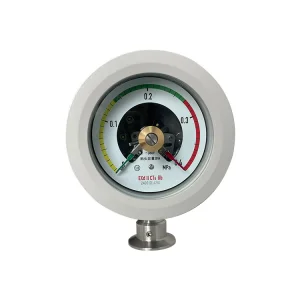
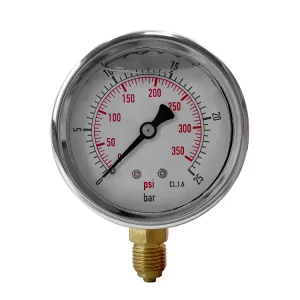
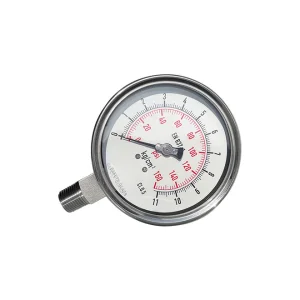
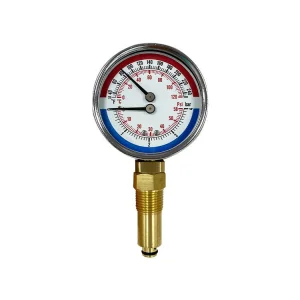
CE-Certified Industrial & Automotive Pressure / Temperature Measuring Solutions
The Evolution of Combined Oil Pressure and Temperature Sensing in Modern Automotive Engineering
In high-efficiency internal combustion engines, heavy-duty commercial powertrains, and hybrid vehicle platforms, real-time diagnostic telemetry of lubricating fluid dynamics is paramount. Simultaneously capturing oil pressure and oil temperature within a unified instrument housing eliminates mounting spatial redundancies, reduces points of potential fluid leakage, and enhances real-time thermal-hydraulic correlation.
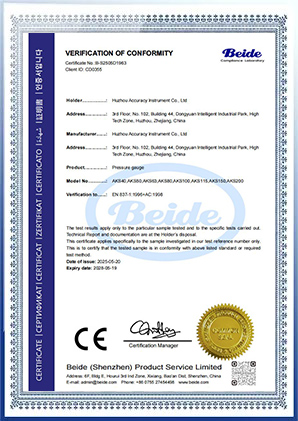
The CE mark serves as a rigorous regulatory benchmark. Conforming to standards such as EN 837-1 for pressure measuring instruments and EN 61326-1 for electromagnetic compatibility ensures that combined auto gauges operate reliably under severe electromagnetic interference (EMI), harsh engine bay thermal cycles, and high vibrational stress environments without signal drift or mechanical fatigue.
Engine oil viscosity exhibits a nonlinear inverse relationship with fluid temperature. A drop in oil pressure can indicate thermal breakdown of the lubricant or structural bearing wear. Measuring pressure in isolation often leads to false alarms; integrated dual-sensing auto gauges provide ECU software and vehicle operators with precise thermodynamic context, allowing for accurate dynamic calibration of engine loads and active oil cooling loops.
Macroeconomic Drivers, Sector Demands, and International Regulatory Integration
The automotive instrumentation sector is undergoing a rapid transition toward high-density sensing arrays. According to industrial intelligence, the global automotive gauge market is expanding at a steady compound annual growth rate (CAGR), propelled by stringent emission standards, commercial logistics fleet optimization, and the demand for off-highway machinery durability.
Class 8 heavy trucks, construction earthmovers, and agricultural tractors require continuous oil temperature and pressure logging under maximum torque output. Dual auto gauges installed in these units must withstand continuous operational temperatures exceeding 120°C and transient pressure spikes up to 10 Bar.
High-RPM automotive performance applications rely on instant visual or analog telemetry. Auto tuners and racing teams require low-inertia bimetallic coil mechanisms and fast-response piezoresistive sensors featuring shatter-proof polycarbonate lenses and vibration-dampened oil-filled housings.
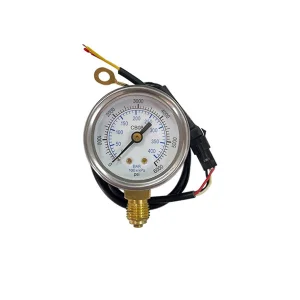
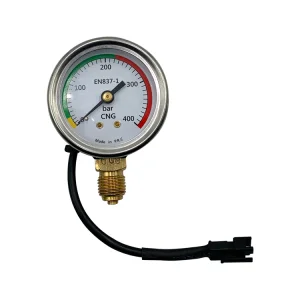
Dual-fuel passenger auto engines and municipal bus fleets require pressure and temperature indicators compliant with high-pressure gaseous and liquid environments (such as 5V/12V CNG gauges), demanding zero-permeation sealing techniques and explosion-proof certifications.
Material Science, Sensor Integration, and Signal Conditioning Standards
| Parameter | Mechanical Gauge Specification | Electronic / Hybrid Transducer Spec |
|---|---|---|
| Measuring Range (Pressure) | 0 – 10 Bar (0 – 150 PSI) / Custom Dual Scale | 0 – 16 Bar (Piezoresistive Strain / Thin-Film) |
| Measuring Range (Temperature) | +50°C to +150°C / Capillary Remote Reading | -40°C to +150°C (NTC Thermistor / PT100 OEM) |
| Accuracy Class | ±1.6% or ±1.0% Full Scale (EN 837-1 Class 1.0) | ±0.5% FS Linearized Output |
| Housing & Bezel Materials | AISI 304 / 316L Stainless Steel, Chrome-Plated Brass | Anodized Aluminum Alloy / IP67 Sealed SS316L |
| Vibration Resistance | Glycerin or Silicone Liquid Fill (10 Hz – 55 Hz, 1.5mm) | Internal Solid-State Encapsulated PCB (Up to 20G) |
| CE Certification Standards | Pressure Equipment Directive (PED) 2014/68/EU | EMC Directive 2014/30/EU, RoHS 2011/65/EU |
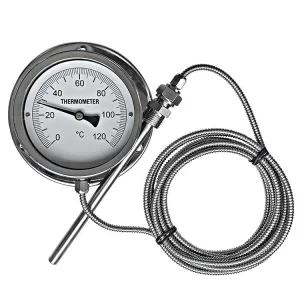
Mechanical auto gauges merge a high-precision C-shaped Bourdon tube constructed from phosphor bronze or SS316L with an independent capillary bimetallic coil. This mechanical isolation prevents thermal expansion of the housing from misaligning the pressure movement gear train, maintaining steady dial readings across broad thermal ranges.
To eliminate oil leakage in high-vibration engine compartments, advanced manufacturers utilize automated continuous fiber-laser welding. Diaphragm seals are fused directly to the gauge socket, forming an impenetrable barrier against corrosive contaminants while preserving fluid pressure transmittances.
Quantifiable Advantages of Partnering with Modern Chinese Instrument Factories
China's industrial manufacturing ecosystem offers world-class precision engineering backed by end-to-end supply chain integration. Leading gauge manufacturers in hubs like Zhejiang leverage automated machining, massive raw material economies of scale, and stringent international compliance frameworks to deliver superior performance-to-cost ratios.
By sourcing raw brass, stainless steel tubing, and sapphire bearings within tight industrial clusters, Chinese manufacturers optimize component costs without sacrificing material integrity. Every batch of stainless steel undergoes X-ray fluorescence (XRF) spectrographic analysis to verify alloy grades.
Manual dial alignment introduces human error. Advanced factories utilize multi-axis vision-guided robotic stations that pressurize gauges across 5 temperature checkpoints, custom-printing computer-calibrated dials for each gauge assembly to achieve dead-center pointer accuracy.
From custom dial graphics, dual Bar/PSI branding, and specialized electrical connector pinouts to custom capillary tube lengths, Chinese supplier agility allows automotive OEMs to move from CAD design to validated physical prototype within 14 business days.
Deploying Dual Pressure-Temperature Gauges in Harsh Operational Environments
Heavy commercial transport vehicles operating in Nordic or North American winter corridors experience immediate engine startups at temperatures as low as -40°C. Standard oil gauges frequently jam due to condensate freezing or internal dampening fluid thickening. CE-certified gauges equipped with silicone dampening fluids and low-temperature elastomeric seals maintain instant response rates, monitoring cold-start oil pressure spikes to prevent engine block cracking.
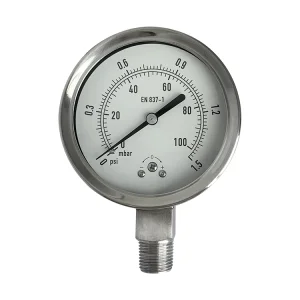
Hydraulic excavators and quarry dump trucks subject engine compartments to high-amplitude, multi-axis mechanical vibrations. Conventional mechanical dry gauges suffer rapid mechanical pointer flutter and gear wear. Liquid-filled vibration-resistant SS pressure gauges damp pointer motion, extending gauge operational life cycle by over 300% in extreme mining operations.
Digitalization, Smart IoT Telematics, and Environmental Sustainability
The industry is transitioning toward hybrid analog-digital cockpits. Modern auto gauges combine classic dial aesthetics with integrated CAN-bus transceivers, sending digital sensor telemetry directly to fleet management telematics boxes while maintaining real-time driver visual feedback.
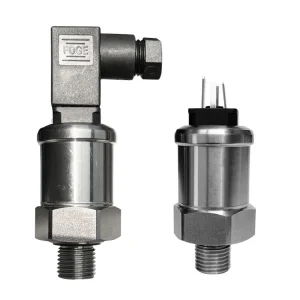
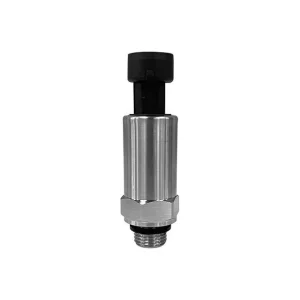
Moving away from pure mechanical linkages, next-generation gauges adopt micro-machined silicon piezoresistive diaphragms. These sensors feature zero moving parts, providing immunity to wear and offering high burst-pressure protection (up to 400% of nominal rating).
Aligning with updated global REACH and RoHS directives, modern gauge factories are substituting traditional leaded brass components with high-durability lead-free brass alloys and recyclable stainless steel alloys, reducing environmental footprint across the product lifecycle.
Key Technical Criteria for Auto Manufacturers, OEM Buyers, and Tier-1 Suppliers
Procuring automotive pressure and temperature gauges requires a structured verification matrix to ensure seamless integration into vehicle assembly lines. Automotive procurement teams should evaluate potential suppliers against the following mandatory engineering criteria:
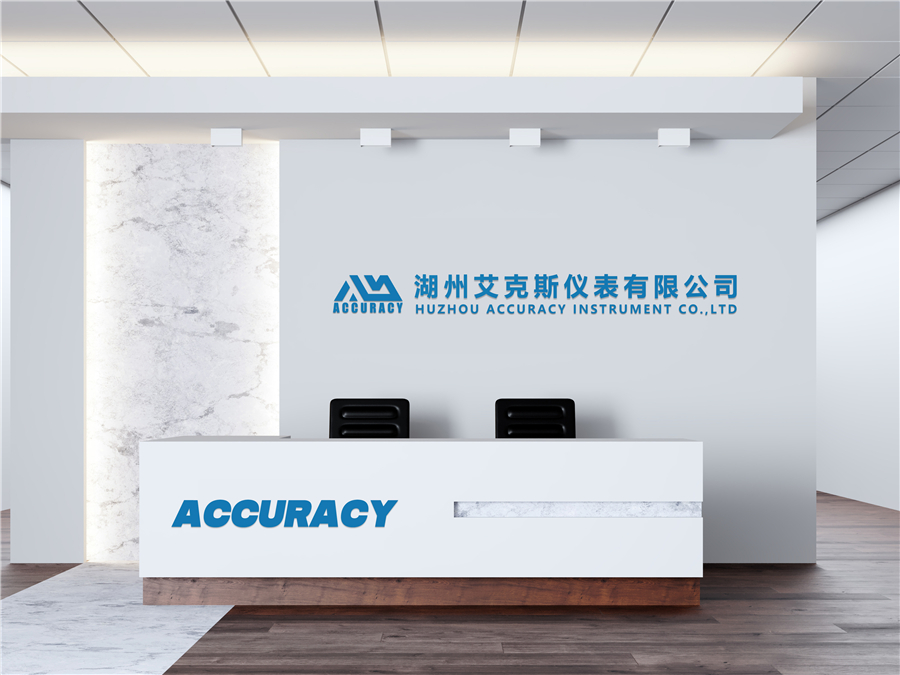
20 YEARS OF EXPERIENCE AND RESEARCH
Huzhou Accuracy Instrument CO LTD is professionally engaged in the development, sales and service of industrial mechanical pressure gauges, bi-metal thermometers, SF6 manometer, pressure sensor. Products are widely used in various applications such as Mechanical Engineering, Chemical Engineering, Food Industry, Pharmaceutical, and high technology electric appliances.
Established over two decades ago, our pressure gauge manufacturing facility spans 3,000 square meters, equipped with advanced production lines and rigorous quality control systems. As an industry leader, we integrate innovation with precision engineering to deliver reliable measurement solutions for global clients.
R&D Department (20 specialists): Focuses on material innovation, smart sensor integration, and compliance with international standards (e.g., ISO, API).
Production Workforce (120 technicians): Utilizes automated assembly and laser calibration technologies to ensure product durability and accuracy.
Sales & Service Unit (15 professionals): Provides 24/7 technical support and customized solutions across 30+ countries.
Annual output exceeds 2 million units, covering industrial-grade gauges (e.g., stainless steel gauge, black steel gauge, shock-proof gauge, SF6 gauge, thermometer, pressure sensor) for oil/gas, HVAC, automotive, and pharmaceutical sectors.
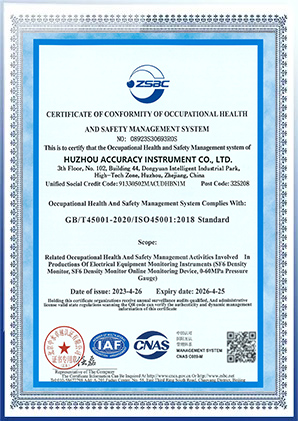
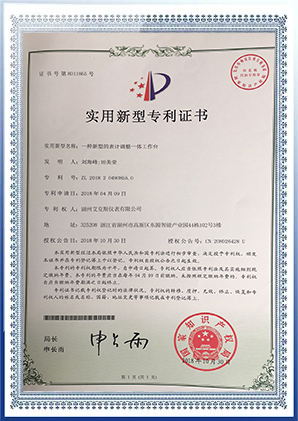
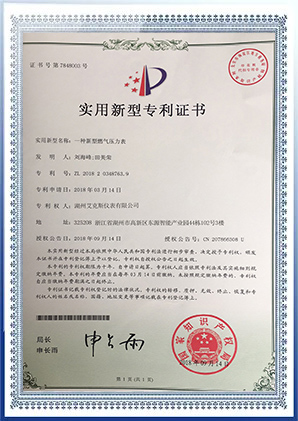
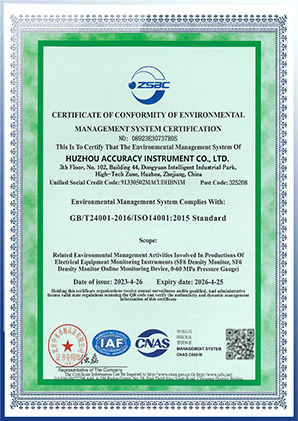
Products exported worldwide, with certifications including ISO, SGS, and CE, earning recognition for corrosion resistance and ±0.5% precision.
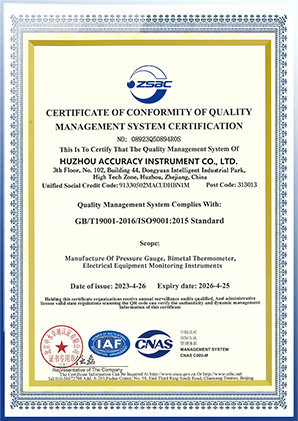
Our laboratory conducts 100% pressure cycle tests and environmental simulations, adhering to ISO 9001 and ISO 17025 standards. Continuous improvement drives our reputation for "zero-leak" performance in extreme conditions, supported by a comprehensive one-year warranty.
We have long followed the concept of "reasonable price, accurate delivery, good quality" and several business management models to keep our production quality above the required benchmark under ISO9001:2008 certification.
Addressing Common Engineering, Compliance, and Sourcing Questions
CE certification confirms that the instrumentation satisfies essential safety, health, and environmental protection requirements specified by European Directives (such as the Electromagnetic Compatibility EMC Directive 2014/30/EU and Pressure Equipment Directive PED 2014/68/EU). It guarantees that electrical transmitters will not interfere with vehicle CAN-bus networks and mechanical housings will withstand operational overpressure safely.
Engine compartments generate violent high-frequency vibrations. Liquid filling (typically pure Glycerin for standard temperatures or Silicone Oil for sub-zero conditions) lubricates internal pinions and pointer mechanisms, dampens rapid pointer oscillation, prevents mechanical flutter, and protects internal components from internal moisture condensation.
Automotive and heavy machinery platforms typically employ 1/8″ NPT, 1/4″ NPT, M10×1.0, or M14×1.5 process connection threads. Chinese OEM manufacturers like Huzhou Accuracy Instrument offer custom thread adapters, brass fittings, and stainless steel capillary extensions engineered to exact OEM CAD specifications.
Yes. By utilizing electric contact switches or integrated 0.5-4.5V / 4-20mA sensor transmitters, dual gauges can trigger dynamic dashboard warning lamps, relay switches, or signal the vehicle ECU to enter engine-protection limp mode when pressure drops below safe thresholds or temperature exceeds limits.
Complete Industrial Measuring Instruments, Transducers & Specialty Manometers
 Accuracy Instrument