Explore our flagship hydronic pressure and temperature measurement solutions optimized for industrial reliability.
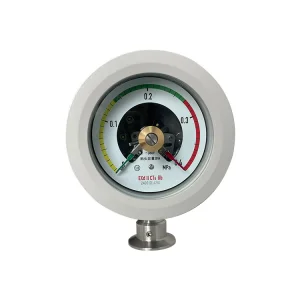
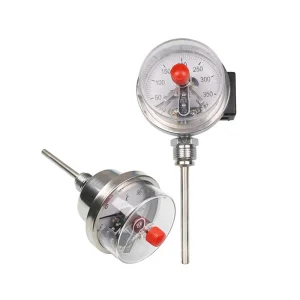
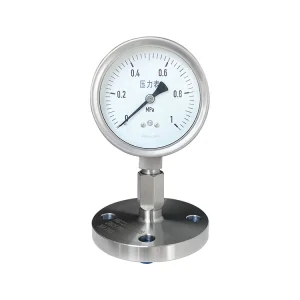
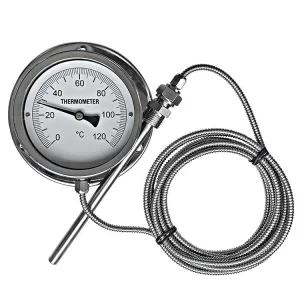
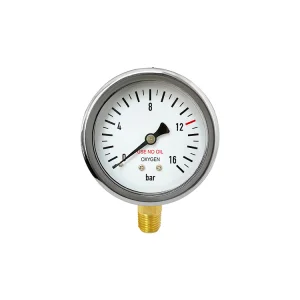
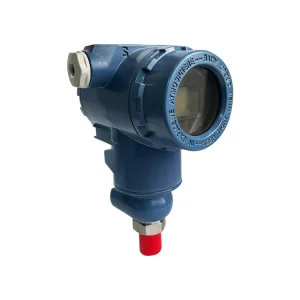
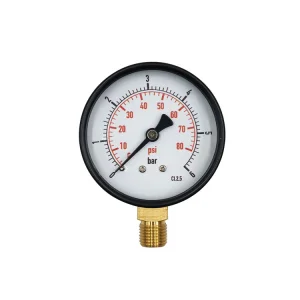
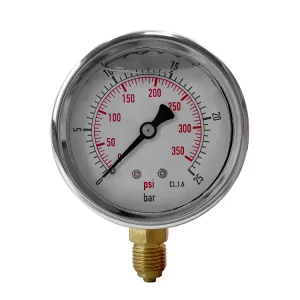
In modern building management systems (BMS), industrial boiler plants, and district energy distribution networks, hydronic loops serve as the primary thermal transfer medium. Monitoring both fluid pressure and fluid temperature through a single process connection—commonly termed a Tridicator or Hydronic Pressure-Temperature Gauge—is vital for operating safety, hydraulic balance, and overall energy efficiency.
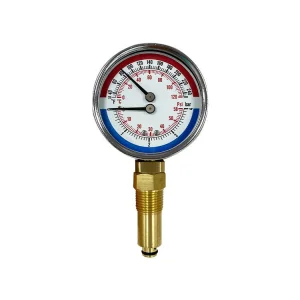
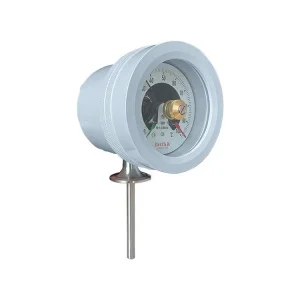
A combined hydronic pressure-temperature gauge integrates two independent sensing elements into a single body assembly. The pressure-sensing mechanism typically utilizes a coiled C-shaped or helical Bourdon tube manufactured from phosphor bronze or AISI 316L stainless steel. Simultaneously, the temperature-sensing path leverages a bimetal coil sensor embedded inside a rigid stem extended directly into the process fluid.
Consolidates dynamic pressure (PSI/Bar/kPa) and temperature (°F/°C) into a unified visual display interface, eliminating the need for dual tapping points on pipeline headers.
Utilizes isolated thermowells and diaphragm sealing options to prevent fluid ingress, localized oxidation, and chemical degradation of internal mechanical movements.
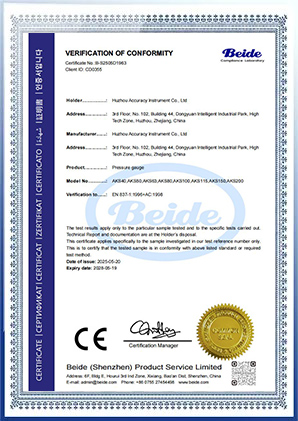
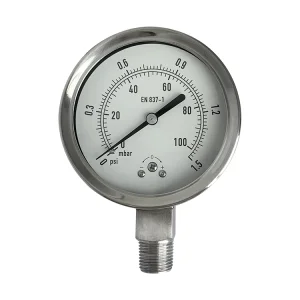
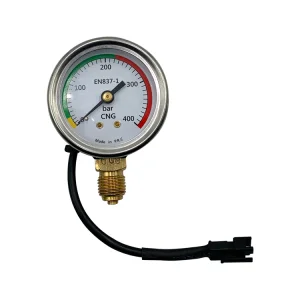
Designed strictly to satisfy European Pressure Equipment Directive (PED) 2014/68/EU standards and EN 837-1 safety specifications for high-pressure installations.
When specifying gauges for pressurized hydronic systems, engineers must account for hydraulic shock, pump vibration, and fluid cavitation. Unprotected standard gauges suffer from mechanical gear degradation over time. Our advanced manufacturing methodologies incorporate liquid-filled dampening (Glycerin or Silicone oil) and micro-welded stainless steel joints to extend service lifespans under aggressive cycle stresses.
Understanding the exact structural attributes of CE-certified hydronic instrumentation is vital for mechanical contractors and original equipment manufacturers (OEMs). Below is an engineering overview of our baseline manufacturing parameters:
| Parameter Specification | Standard Hydronic Baseline | Heavy-Duty Industrial / OEM Grade |
|---|---|---|
| Dial Nominal Diameters | 63 mm (2.5"), 80 mm (3"), 100 mm (4") | 100 mm (4"), 150 mm (6") High-Visibility Dials |
| Pressure Range Capabilities | 0 to 6 Bar / 0 to 10 Bar (0 to 100 / 160 PSI) | Full Vacuum (-0.1 MPa) up to 100 MPa (1000 Bar) |
| Temperature Sensing Ranges | 0°C to 120°C / 30°F to 250°F | -40°C to +600°C (Extended Capillary / Bimetal) |
| Accuracy Class (EN 837-1) | Class 1.6 (±1.6% Full Scale Deviation) | Class 1.0 or Class 0.5 High Precision Standard |
| Wetted Parts Material | H62 Lead-Free Brass / Phosphor Bronze | AISI 316L Stainless Steel / Hastelloy C-276 |
| Case & Bezel Construction | Black Painted Steel / AISI 304 Stainless Steel | Bayonet Ring Sealed 304/316 Stainless Steel (IP65/IP67) |
| Process Connection Threads | 1/4", 1/2" NPT, BSP, BSPT Male Bottom / Back Mount | Custom Tri-Clamp, Flanged ANSI/DIN, Clean-in-Place (CIP) |
| Internal Filling Options | Dry (Standard) | 99.5% Pure Glycerin / Silicone Oil (-40°C Low Temp) |
The global transition toward sustainable energy management has significantly reshaped procurement requirements for hydronic pressure and temperature sensing instruments. Key industry drivers include:
Commercial heat pump installations utilize lower temperature hydronic loops (30°C to 50°C) requiring higher thermal resolution and lower pressure drop thresholds. Modern suppliers must manufacture ultra-sensitive bimetallic elements combined with micro-bourdon tubes capable of registering subtle pressure fluctuations to protect compressors from cavitation.
International regulations such as Europe's REACH, RoHS, and North America’s NSF/ANSI 61 lead-free drinking water directives mandate strict material auditing. Reputable manufacturers must supply fully traceable certificates guaranteeing that components contacting potable hydronic systems emit zero toxic heavy metals.
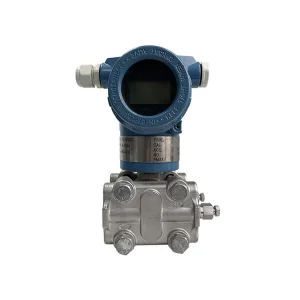
Industrial automation trends favor dual-output gauges. These units incorporate traditional visual pointer indicators alongside integrated 4-20mA transmitters or SPDT electric switch contacts. This redundancy guarantees local visual readouts for maintenance personnel while feeding automated telemetry to centralized PLC and SCADA architectures.
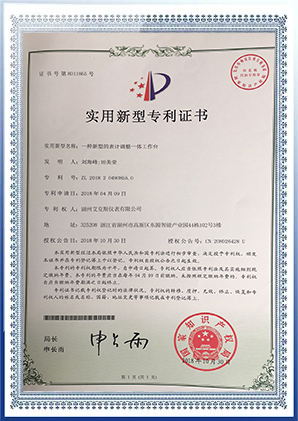
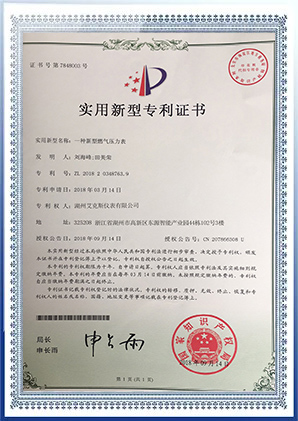
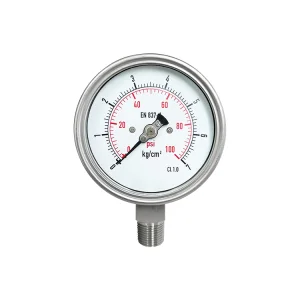
Huzhou Accuracy Instrument Co., Ltd. stands as a premier global manufacturer dedicated to the engineering and mass production of industrial mechanical pressure gauges, bi-metal thermometers, SF6 gas monitors, and high-precision pressure sensors.
Spanning over 3,000 square meters of state-of-the-art manufacturing space, our facility features automated CNC machining centers, automated laser calibration benches, dynamic temperature test chambers, and ultra-clean assembly environments. With an annual output exceeding 2 million units, we serve critical sectors including Mechanical Engineering, HVAC/R, Chemical Processing, Food & Beverage, and Energy Distribution across 30+ countries.
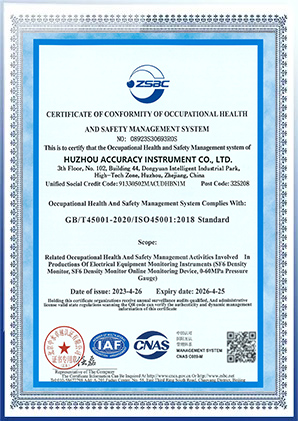
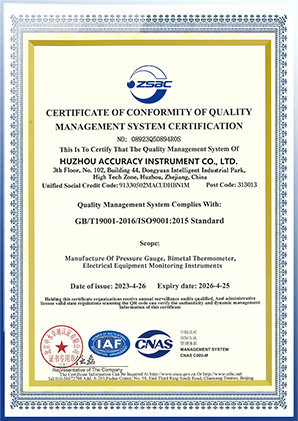
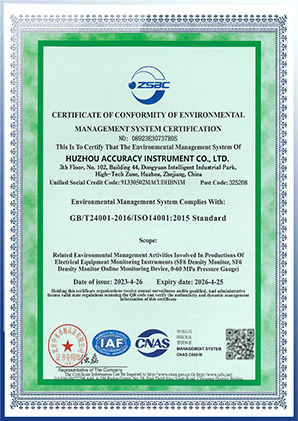
Adhering strictly to our core philosophy of "Reasonable Price, Accurate Delivery, and Superior Quality", our operations are fully audited and validated under ISO 9001:2008 and ISO 17025 quality management systems. Every hydronic pressure temperature gauge undergoes 100% full-cycle pressure testing and leak detection prior to dispatch.
As building management migrates toward digital twin modeling and predictive maintenance, mechanical instrumentation is evolving rapidly. Our engineering roadmap outlines the future of hydronic pressure and temperature sensing:
Implementation of ultra-low-power LoRaWAN and NB-IoT protocols directly into standardized 80mm dial housing back-plates, enabling battery life exceeding 5 years without replacing mechanical movements.
Development of dual-element silicon-on-insulator MEMS piezoresistive micro-chips coupled with traditional mechanical dials to auto-correct drift caused by severe thermal cycling.
Integrating internal thermoelectric micro-generators into the temperature stem connection, harnessing heat differential from hot water pipes to continuously power local digital displays.
Direct technical guidance provided by our senior instrumentation engineers for buyers, contractors, and system designers.
Explore additional high-accuracy pressure and temperature instrumentation catalog items.
 Accuracy Instrument