Explore our high-precision industrial instruments built for hazardous, extreme-temperature, and heavy-duty fluid pressure environments.
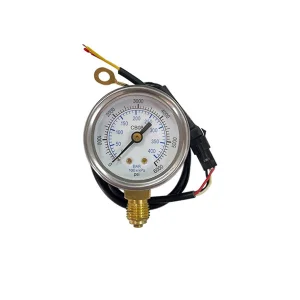
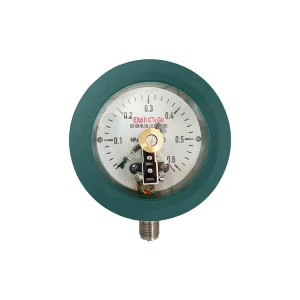
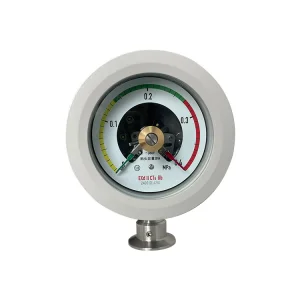
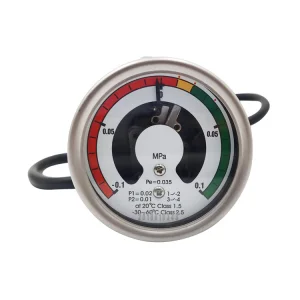
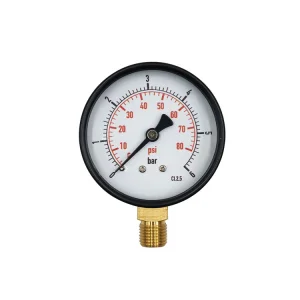
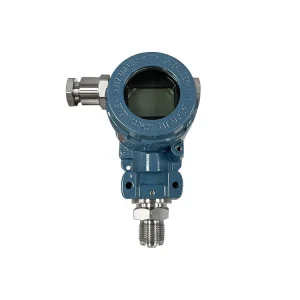
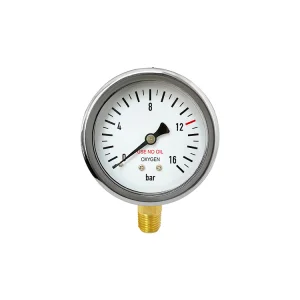
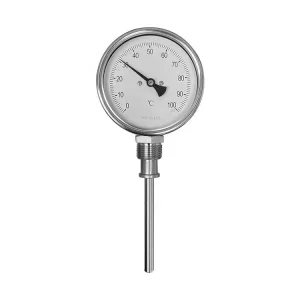
Understanding normal operational envelopes across automotive, heavy industrial diesel, hydraulic power units, and turbine equipment.
For internal combustion engines, a foundational benchmark used by mechanical engineers is that oil pressure should maintain approximately 10 PSI per 1,000 Engine RPMs (roughly 0.7 Bar per 1,000 RPM) once the system reaches normal operating temperature.
Under standard steady-state operation (oil temperatures between 80°C and 105°C / 176°F to 221°F):
Oil pressure gauges measure hydrodynamic force per unit area generated by a positive displacement oil pump delivering lubricant through hydrodynamic journal bearings and restricted internal galleries. The gauge reading represents resistance to flow.
High oil pressure does not inherently mean adequate lubrication. Excessively high pressure can indicate gallery blockages, while zero or abnormally low pressure signifies insufficient oil film strength, leading to immediate metal-to-metal friction, thermal runaway, and catastrophic journal bearing seizure.
Comprehensive target ranges for procurement engineers, maintenance managers, and field technicians.
| Application Sector | Cold Start Target Range | Hot Idle Target Range | Full Load / Rated RPM Range | Critical Warning Threshold | CE Standards & Requirements |
|---|---|---|---|---|---|
| Passenger Automotive (Gasoline / Hybrid) | 50 – 75 PSI (3.4 – 5.2 Bar) | 20 – 30 PSI (1.4 – 2.1 Bar) | 45 – 65 PSI (3.1 – 4.5 Bar) | < 10 PSI (0.7 Bar) | EN 837-1 Class 1.6, CE Automotive Directive Compliance |
| Heavy Duty Diesel (Trucking, Construction) | 60 – 90 PSI (4.1 – 6.2 Bar) | 15 – 25 PSI (1.0 – 1.7 Bar) | 40 – 60 PSI (2.8 – 4.1 Bar) | < 12 PSI (0.8 Bar) | CE Equipment Directive 2006/42/EC, IP67 Sealed Casing |
| Marine Auxiliary & Propulsion Diesels | 55 – 85 PSI (3.8 – 5.9 Bar) | 25 – 35 PSI (1.7 – 2.4 Bar) | 50 – 70 PSI (3.4 – 4.8 Bar) | < 18 PSI (1.2 Bar) | CE Marine Equipment Directive (MED), 316L SS Corrosion Resistant |
| Industrial Hydraulic Power Units (HPU) | N/A (System Controlled) | N/A (System Controlled) | 1,500 – 3,500 PSI (100–240 Bar) | ± 15% System Specs | PED 2014/68/EU Category II/III, CE Explosion-Proof ATEX Zone 1/2 |
| High-Speed Power Generation (Gas Turbines) | 40 – 60 PSI (2.8 – 4.1 Bar) | 25 – 35 PSI (1.7 – 2.4 Bar) | 35 – 50 PSI (2.4 – 3.4 Bar) | < 20 PSI (1.4 Bar) | CE EN 61326-1 (EMC Compliance), Silicon Thin-Film 0.5% Precision |
A gauge reading must always be evaluated in tandem with engine coolant and oil temperatures. Viscosity grade (e.g., SAE 5W-30 vs. SAE 15W-40) significantly skews raw gauge numbers. As oil temperature rises from 20°C to 100°C, kinematic viscosity drops dramatically, causing natural drops in idle pressure. A CE-certified high-accuracy gauge ensures that readouts remain linear and unaffected by ambient casing thermal expansion.
Systematic root-cause analysis for maintenance engineers encountering out-of-spec oil pressure readings.
Gauge Behavior: Below 15 PSI at idle or fails to climb proportionally with RPM.
Gauge Behavior: Pegged at maximum range (> 80 PSI) or failing to drop when hot.
Gauge Behavior: Erratic vibration of the dial pointer or jumping digital values.
Why European Conformity (CE) marking is indispensable for industrial oil pressure monitoring systems.
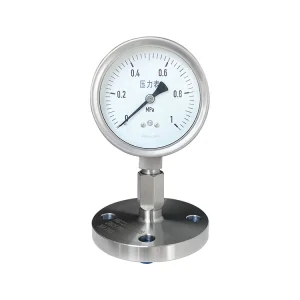
CE compliance for mechanical oil pressure gauges requires adherence to EN 837-1 (Bourdon tube pressure gauges). This standard dictates exact pointer deflection tolerances, casing burst safety margins, overpressure capability (up to 1.3x full scale minimum), and cyclic fatigue testing to ensure 100,000+ continuous cycles without calibration drift.
In high-pressure industrial hydraulic circuits (exceeding 0.5 bar pressure hazard threshold), gauges and transmitters must comply with European PED rules. CE marking proves structural integrity of the wetted materials (e.g., 316L Stainless Steel, Brass alloys) preventing sudden fatigue rupture under hydraulic fluid shock waves.
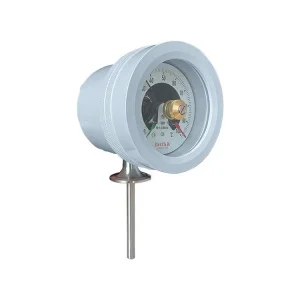
For electronic pressure sensors and electric contact gauges operating in hazardous oil & gas zones or automated manufacturing plants, CE certification mandates compliance with ATEX Directive 2014/34/EU (Explosion-Proof safety) and EMC Directive 2014/30/EU (Electromagnetic Compatibility against signal distortion).
Market evolution from traditional mechanical dials to smart IIoT digitised pressure sensing ecosystems.
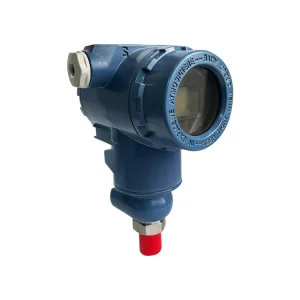
Global original equipment manufacturers (OEMs) across North America, Europe, and Asia are transitioning rapidly from mechanical Bourdon tube gauges to hybrid smart transmitters. Modern heavy machinery demands 4-20mA, Modbus RS485, or CANbus pressure transmitters (such as the 3051 and 2088 series) that feed real-time oil pressure data to ECU telemetry and cloud-based predictive maintenance dashboards.
When procurement managers source oil pressure gauges, compliance with international benchmarks is key. Buyers demand:
Combining 20 years of research, automated precision manufacturing, and strict international quality assurance.
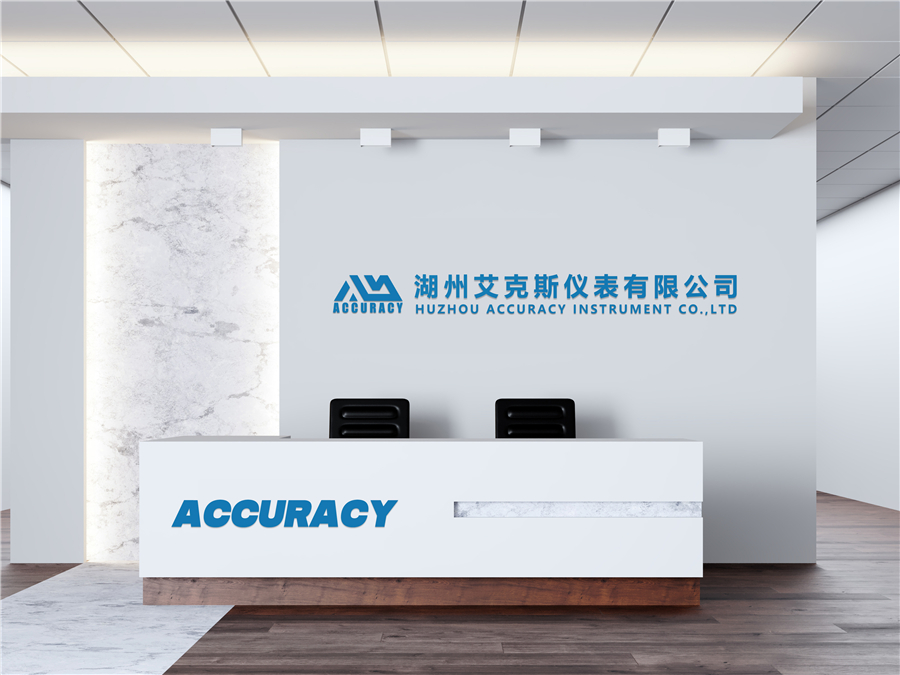
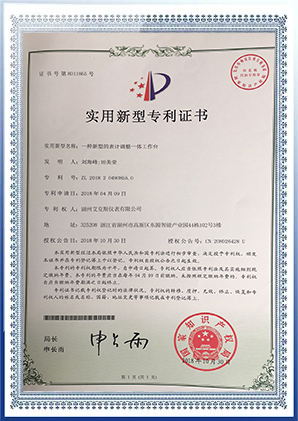
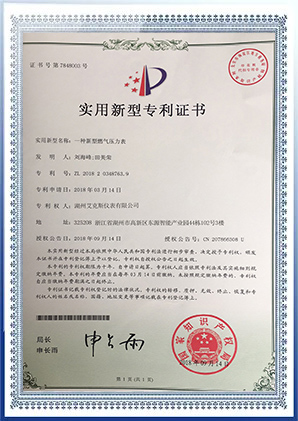
Huzhou Accuracy Instrument Co., Ltd. is professionally engaged in the development, sales, and service of industrial mechanical pressure gauges, bi-metal thermometers, SF6 manometers, and advanced pressure sensors. Products are widely used in applications such as Mechanical Engineering, Chemical Engineering, Food Industry, Pharmaceuticals, and high-technology electric appliances.
Established over two decades ago, our pressure gauge manufacturing facility spans 3,000 square meters, equipped with advanced production lines and rigorous quality control systems. As an industry leader, we integrate innovation with precision engineering to deliver reliable measurement solutions for global clients.
R&D Department (20 specialists): Focuses on material innovation, smart sensor integration, and compliance with international standards (ISO, API, CE).
Production Workforce (120 technicians): Utilizes automated assembly and laser calibration technologies to ensure product durability and accuracy.
Sales & Service Unit (15 professionals): Provides 24/7 technical support and customized OEM/ODM solutions across 30+ countries.
Annual output exceeds 2 million units, covering industrial-grade gauges (stainless steel gauges, black steel gauges, shock-proof glycerine gauges, SF6 density monitors, thermometers, and thin-film pressure sensors) for oil/gas, HVAC, and industrial sectors.
Exported worldwide with certifications including ISO, SGS, and CE, earning global recognition for exceptional corrosion resistance and ±0.5% precision.
Our internal laboratory conducts 100% pressure cycle fatigue tests and extreme environmental temperature simulations, adhering strictly to ISO 9001 and ISO 17025 standards.
Continuous engineering improvement drives our reputation for "zero-leak" performance in extreme conditions, backed by a comprehensive one-year warranty.
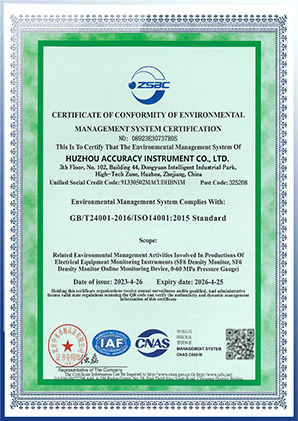
Following the business concept of "reasonable price, accurate delivery, and superior quality," operating under ISO9001 certified benchmarks.
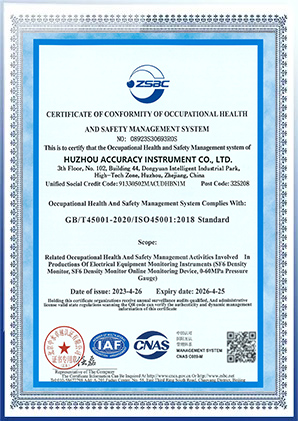
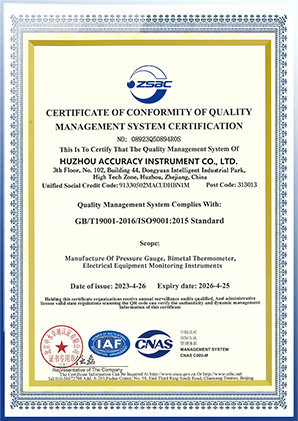
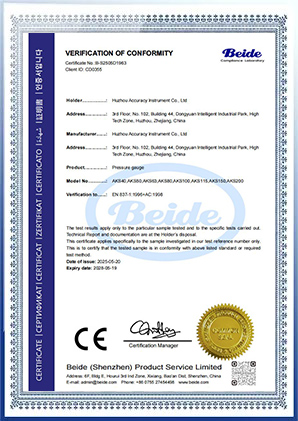
Expert engineering answers regarding oil pressure gauges, CE compliance, and installation best practices.
For most gasoline and diesel engines, normal oil pressure ranges between 20 to 35 PSI (1.4 to 2.4 Bar) at hot idle, and between 40 to 70 PSI (2.8 to 4.8 Bar) while cruising at operational speeds. A general benchmark is approximately 10 PSI per 1,000 engine RPM.
CE Certification ensures the oil pressure gauge meets strict European Union safety, health, and environmental protection standards (such as EN 837-1 and the Pressure Equipment Directive PED 2014/68/EU). It guarantees structural pressure containment, material traceability, and calibration accuracy.
Engine oil has higher fluid viscosity (is thicker) at lower ambient temperatures. Thicker oil offers greater resistance as the pump pushes it through tight internal engine passages, resulting in elevated gauge pressure until the oil warms up to normal operating temperatures.
Mechanical gauges (Bourdon tube) are rugged, self-powered, and ideal for local direct reading. Electronic gauges (thin-film transducers/transmitters) are superior for automated environments requiring continuous ECU monitoring, PLC integration, digital displays, and high resistance to engine vibration.
Glycerine-filled gauges contain a dampening fluid inside the casing that lubricates internal gears and dampens pointer vibration caused by heavy engine pulsation. Dry gauges are cost-effective for static applications with zero mechanical vibration.
We utilize automated laser calibration equipment, automated pressure cycling tests, and 100% full-scale testing under ISO 9001 and ISO 17025 laboratory conditions, achieving precision up to ±0.5% full scale.
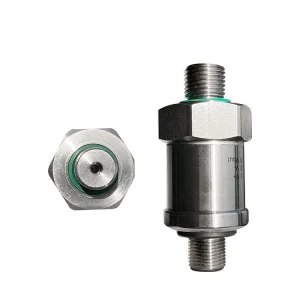
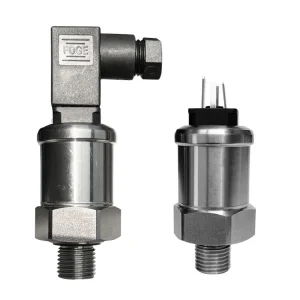
Explore our additional range of thin-film transducers, bimetal thermometers, and explosion-proof transmitters for global industrial procurement.
 Accuracy Instrument