Factory-direct OEM pressure transducers, mechanical gauges, and sensor solutions manufactured to ISO 9001 quality benchmarks.
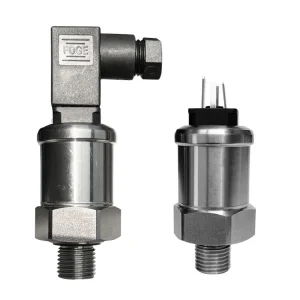
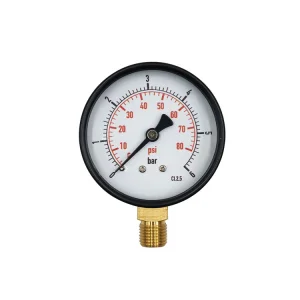
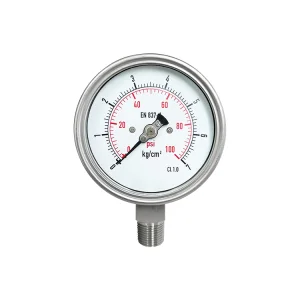
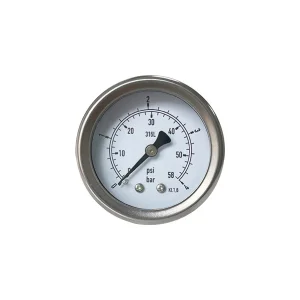
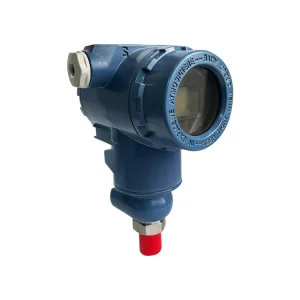
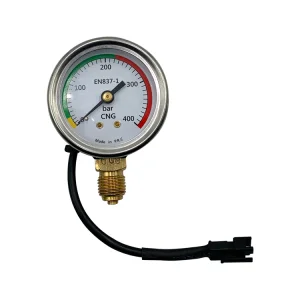
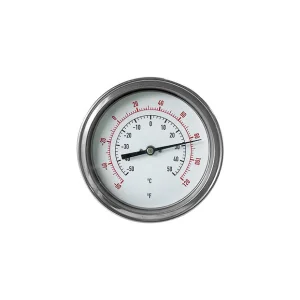
Navigating the transition toward high-reliability alternative fuel monitoring: Microfused piezoresistive sensing vs. thick-film resistive mechanical integration.
Compressed Natural Gas (CNG) operates under severe operational stress, with storage pressures typically rated between 200 bar (2900 PSI) and 250 bar (3600 PSI) at room ambient temperatures. For global automotive Original Equipment Manufacturers (OEMs), alternative fuel vehicle integrators, and industrial gas storage facilities, monitoring real-time pressure is critical to both functional safety and precise fuel level calculations.
As an industry-leading OEM CNG pressure gauge sensor supplier, Huzhou Accuracy Instrument Co., Ltd. bridges the gap between traditional mechanical Bourdon tube indicators and advanced digital signal processing. A CNG pressure sensor must endure intense pneumatic shock cycles, thermal swings ranging from -40°C to +125°C, exposure to corrosive gas impurities (such as H₂S traces), and continuous engine chassis vibration.
Modern Natural Gas Vehicles (NGVs) require hybrid sensing architectures: a mechanical dial interface for manual visual inspections during station refueling, combined with an electronic 0–5V or 0.5–4.5V ratiometric voltage signal routed directly to the engine ECU (Electronic Control Unit). Microfused glass bonding eliminates internal O-rings, avoiding gas permeation and explosive decompression failures.
Exploring the technological progression in OEM CNG sensing mechanisms, material sciences, and digital bus protocols.
Transitioning away from organic adhesives, high-precision glass microfused pressure sensors fuse strain gauges to a stainless steel diaphragm at over 500°C. This technique delivers ultra-high temperature tolerance, zero thermal hysteresis, and exceptional long-term stability in high-pressure natural gas systems.
For budget-sensitive auto gas conversion kits, our 5V resistive CNG gauges feature thick-film ceramic printed circuits matched to custom lever-arm contact springs, providing smooth, noise-free resistance output (e.g., 0-90 Ω or 10-180 Ω) for vehicle dashboard fuel gauges.
Next-generation commercial CNG fleets leverage digital CANbus (SAE J1939) or LIN bus telemetry. Integrated ASICs inside the sensor package deliver real-time gas mass calculations (combining pressure and integrated temperature compensation) directly to cloud fleet management software.
| Technology Type | Accuracy (FS) | Operating Temp Range | Vibration Tolerance | Typical Lifespan | Target Application |
|---|---|---|---|---|---|
| Glass Microfused Sensor | ±0.25% to ±0.5% | -40°C to +125°C | 20G (20-2000Hz) | > 10 million cycles | OEM Automotive ECU, Heavy Duty CNG Trucks |
| Thin Film Sputtered | ±0.5% | -40°C to +105°C | 15G | > 5 million cycles | Gas Distribution & Industrial Pipeline |
| Resistive Contact Gauge | ±1.5% to ±2.5% | -20°C to +80°C | 10G | > 1 million cycles | Aftermarket CNG/LPG Car Conversion Kits |
| Bourdon Tube Mechanical | ±1.6% to ±2.5% | -40°C to +60°C | 5G (Liquid Filled) | > 500,000 cycles | Station Storage Tanks & Manual Pressure Checks |
Deploying specialized pressure and temperature monitoring across diverse industrial ecosystems.
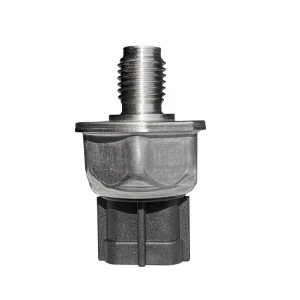
Engineered to withstand harsh under-hood automotive environments, our 5V CNG resistive sensors and AKS thin-film pressure transducers provide accurate tank level signals to gas ECU controllers, preventing unexpected fuel exhaustion and optimizing gas-to-gasoline switching thresholds.
High-pressure refueling dispensers and mother/daughter cascade storage banks demand explosion-proof stainless steel Bourdon gauges and high-accuracy 3051 pressure transmitters to guarantee fast, safe gas transfer at 250 bar operating pressures.
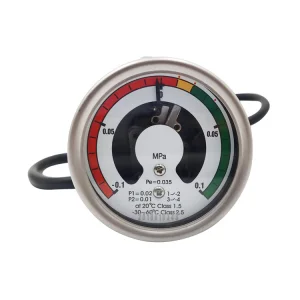
Extending precision gas monitoring to power utilities, our SF6 gas density monitors incorporate gas-density compensation mechanisms to prevent electrical arcing in high-voltage circuit breakers and power distribution substations.
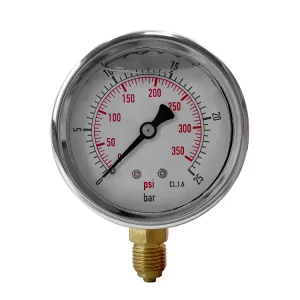
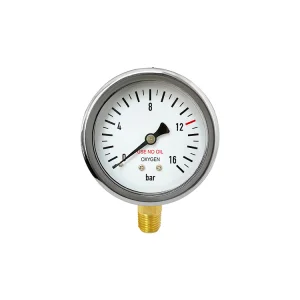
Glycerin and silicone oil-filled shock-resistant stainless steel pressure gauges prevent pointer flutter in extreme hydraulic impulse setups, protecting equipment components across construction, mining, and chemical processing facilities.
Inside Huzhou Accuracy Instrument Co., Ltd. – Advanced automation, lean assembly lines, and zero-defect quality control.
Spanning over 3,000 square meters of high-tech manufacturing floor, Huzhou Accuracy Instrument Co., Ltd. operates state-of-the-art automated production lines, laser welding cells, and temperature-controlled calibration labs.
Our vertical integration—from mechanical stamping and CNC machining of brass/stainless steel fittings to automated SMT PCB assembly and pressure cycling test rigs—guarantees exceptional cost efficiency without sacrificing quality standards.
Key considerations for procurement officers, system integrators, and automotive Tier-1 suppliers.
Selecting an OEM pressure sensor supplier requires evaluating factors beyond initial unit costs. Sensor failure in high-pressure CNG environments can lead to vehicle downtime, gas leaks, and regulatory compliance issues. Purchasing managers evaluate four core pillars:
Our laboratory conducts 100% pressure cycle tests and environmental simulations, adhering strictly to ISO 9001 and ISO 17025 testing standards. Continuous process improvement drives our reputation for "zero-leak" performance in extreme operating conditions, supported by a one-year comprehensive factory warranty.
Exceeds 2 million units annually, covering industrial gauges, stainless steel gauges, black steel manometers, SF6 density monitors, bi-metal thermometers, and high-accuracy pressure transducers.
We follow the business concept of "reasonable price, accurate delivery, good quality" to keep production quality above required international benchmarks.
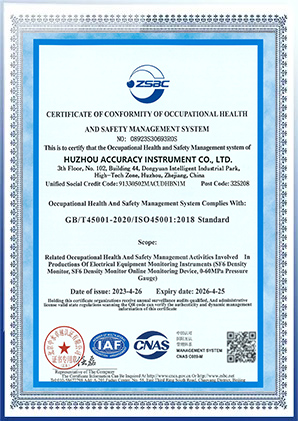
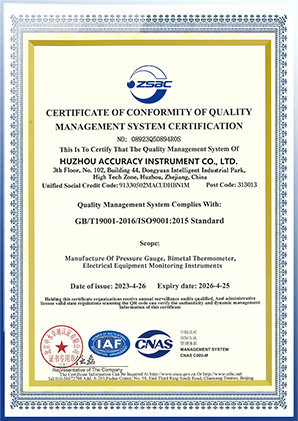
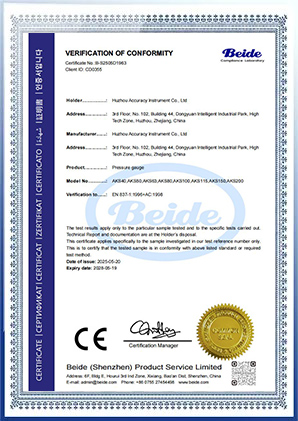
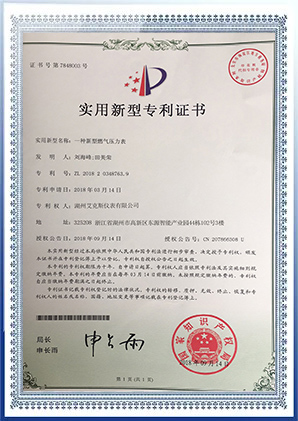
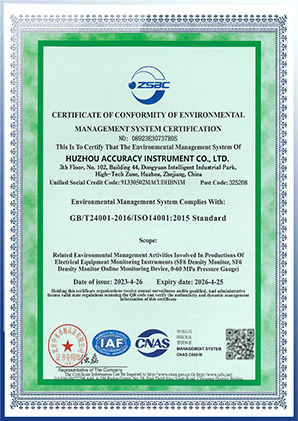
Huzhou Accuracy Instrument Co., Ltd. operates under an ISO 9001:2008 certified management system. Our products carry CE certificates, explosion-proof compliance, and third-party validation from inspection bodies such as SGS.
In-depth technical answers addressing engineering, installation, and procurement queries regarding OEM CNG pressure sensors.
A 5V resistive CNG gauge uses an internal mechanical Bourdon tube that deflects proportionally as natural gas pressure fluctuates inside the vessel (0 to 200/250 bar). This mechanical movement drives a precision contact wiper across a thick-film resistive ceramic substrate board. The resulting resistance output (typically 0-90 Ohms, 10-180 Ohms, or custom voltage dividers) is interpreted by the alternative fuel ECU to compute remaining gas volume and trigger indicator LEDs on the vehicle dashboard.
Traditional piezoresistive pressure sensors use silicone oil fillings and internal O-ring elastomer seals, which can degrade or experience explosive decompression when exposed to high-pressure CNG and thermal cycling. Microfused technology uses glass powder fused at high temperatures to bond silicon strain gauges onto a solid stainless steel diaphragm. This eliminates all organic seals and oil fillings, creating a completely hermetic, solid-state sensor capable of handling extreme pressures (>1000 bar burst limit) with virtually zero signal drift over time.
ECE R110 (European Economic Commission regulation) and ISO 15500 govern the safety standards for specific compressed natural gas vehicle components. Certification requires rigorous testing, including pressure cycling tests (over 20,000 to 50,000 cycles from zero to working pressure), corrosion resistance exposure (salt spray tests), flame resistance, and extreme temperature operations (-40°C to +120°C). Selecting certified sensors ensures full legal compliance for vehicle assembly and fleet deployments in global markets.
Yes. As a full-service OEM/ODM manufacturer, we offer extensive customization options. Port threads can be machined in G1/4", 1/4" NPT, 1/2" NPT, 7/16-20UNF, M12x1.5, or custom automotive thread profiles. Electrical connections include Packard Metri-Pack 150, Ampseal 16, Hirschmann, M12 4-pin connectors, or direct waterproof wiring harnesses fitted with custom wire lengths and protective sleeving.
Natural gas expands and contracts significantly according to Charles's Law ($P_1/T_1 = P_2/T_2$). A CNG tank filled to 200 bar at 15°C may drop to 160 bar at -20°C without any actual gas loss. Advanced OEM pressure transducers integrate internal NTC or PTC thermistors and digital ASIC signal processing to output a temperature-compensated pressure signal, allowing the vehicle ECU to compute true mass-based fuel levels accurately regardless of ambient weather conditions.
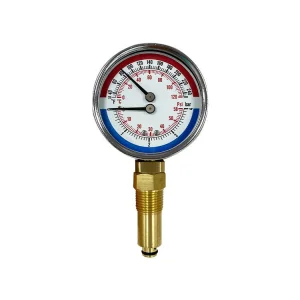
Explore our extended lineup of bimetal thermometers, SF6 monitors, and compound pressure gauges.
 Accuracy Instrument