High-reliability mechanical gauges, bimetallic thermometers, and integrated sensors tailored for heavy-duty industrial environments.
Combining over two decades of metallurgical research, dynamic calibration engineering, and rigorous OEM supply chain logistics.
As process industries transition toward Industry 4.0, the requirement for robust mechanical instrumentation integrated with smart electronic transduction has reached unprecedented levels.
Modern chemical processing, offshore oil platforms, and power generation demand pressure and temperature monitoring systems capable of enduring severe pulsation, rapid thermal cycling, and highly corrosive process fluids like H2S, concentrated acids, and high-pressure steam.
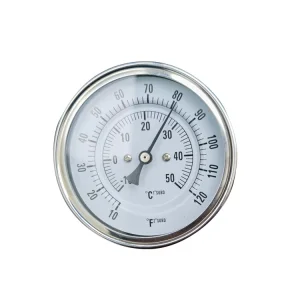
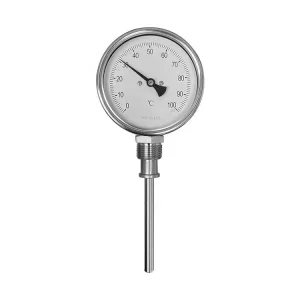
Eliminating process penetration points by co-locating pressure Bourdon tube assemblies with helical bimetallic temperature elements. Dual readings optimize vessel geometry, reduce potential leak paths by 50%, and simplify regulatory compliance auditing.
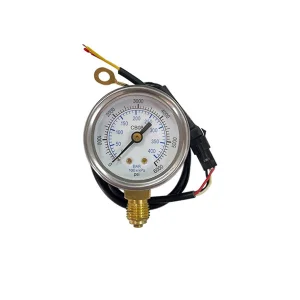
Electrical power distribution infrastructure relies on specialized SF6 gas density monitors. Our gas-density-compensated pressure and temperature instruments feature micro-switch contact systems to prevent catastrophic flashovers in high-voltage switchgear.
Selecting the optimum wetted material and elastic element dynamics is vital for guaranteeing zero-drift accuracy and operational longevity.
| Material Specification | Yield Strength / Hardness | Corrosion Resistance Profile | Primary Industrial Application | Thermal Operating Limits |
|---|---|---|---|---|
| AISI 316L Stainless Steel | ≥ 170 MPa / 95 HRB | Excellent against organic solvents, mild acids, and industrial atmosphere | General HVAC, Petrochemical, Food & Beverage processing lines | -40°C to +200°C (-40°F to 392°F) |
| Hastelloy C-276 | ≥ 355 MPa / 100 HRB | Superior protection against wet chlorine, ferric acid, and strong oxidizing salts | Chemical synthesis plants, flue gas desulfurization, marine scrubber loops | -70°C to +400°C (-94°F to 752°F) |
| Monel 400 Alloy | ≥ 240 MPa / 85 HRB | Immune to hydrofluoric acid, seawater corrosion, and caustic alkaline solutions | Offshore drilling rigs, marine engine rooms, salt refinery evaporators | -50°C to +300°C (-58°F to 572°F) |
| Copper Alloy / Brass (C3604) | ≥ 150 MPa / 70 HRB | Standard resistance to air, water, inert gases, non-corrosive hydraulic oils | Commercial air compressors, automotive brake systems, pneumatic lines | -20°C to +80°C (-4°F to 176°F) |
| PTFE/PFA Diaphragm Linings | Tensile: 25 MPa | Complete chemical inertness to hyper-aggressive fluids and high-purity media | Semiconductor ultrapure chemical lines, pharmaceutical bulk manufacturing | -20°C to +180°C (-4°F to 356°F) |
Bridging mechanical reliability with digital connectivity to power predictive maintenance algorithms and real-time remote telemetry.
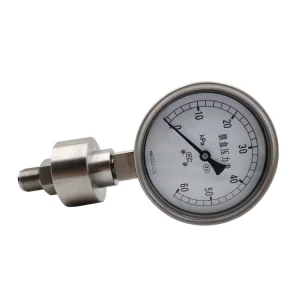
Utilizing high-energy automated laser welding to fuse isolation diaphragms with gauge bodies. Eliminates elastomer gaskets, ensuring zero leakage for toxic, volatile, or ultra-clean sanitary applications under high pressure peaks.
Embedding low-power micro-transmitters within analog gauge housings. Devices communicate process pressure and temperature variables directly to cloud monitoring dashboards without external cabling infrastructure.
Engineered for high-voltage and high-EMI environments where electronic sensors fail. Light wave shifts measure physical displacement in micro-diaphragms with immunity to electromagnetic interference.
Discover how specialized manufacturing techniques solve real-world industrial installation bottlenecks.
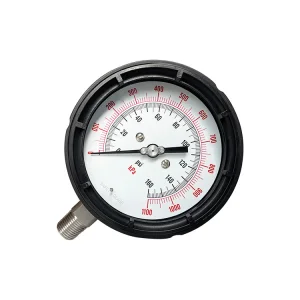
Severe mechanical vibration causes pointer flutter and internal gear wear in standard gauges. Our liquid-filled (Glycerin or Silicone oil) shock-proof gauges dampen internal movement, lubricate mechanical drives, and extend operational lifespans by up to 400% in heavy hydraulic machinery.
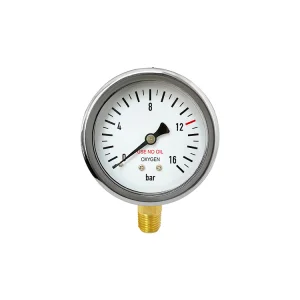
Oxygen systems require strict elimination of hydrocarbons to prevent catastrophic ignition. Our dedicated cleanroom assembly processes utilize solvent degreasing, ultrasonic washing, and blacklight fluorometric inspections to enforce zero hydrocarbon residue according to ASME B40.100 specifications.
To eliminate dead legs where bacterial cultures proliferate, our sanitary diaphragm gauges feature flush-mounted ASME BPE compliant Tri-Clamp interfaces with surface roughness Ra < 0.4 µm, supporting SIP (Steam-In-Place) and CIP (Clean-In-Place) sterilization cycles.
Expert answers regarding calibration, mechanical design selection, and installation best practices for pressure and temperature instruments.
Thermal expansion of both the process media and the elastic metallic element causes changes in the Young's Modulus of the Bourdon tube. For every 10°C deviation from the calibration temperature (typically 20°C), an additional error of approximately ±0.4% full-scale reading occurs. High-temperature applications utilize capillary extensions, cooling towers, or bimetallic thermal compensation links to neutralize reading drift.
Direct mounting connects the pressure gauge directly to the process tapping point, suitable for moderate process temperatures and non-crystallizing media. Remote capillary seal systems utilize an armored micro-tube filled with hydraulic transmission fluid (e.g., silicone, food-grade oil) to isolate the sensing instrument from high temperature, severe vibration, or inaccessible installation locations.
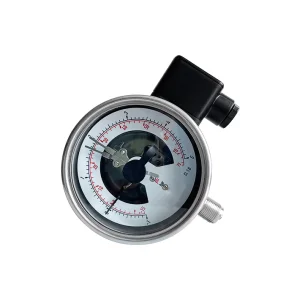
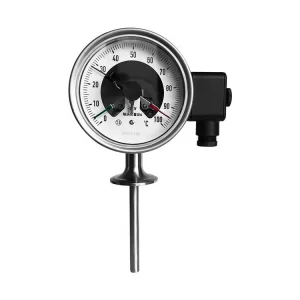
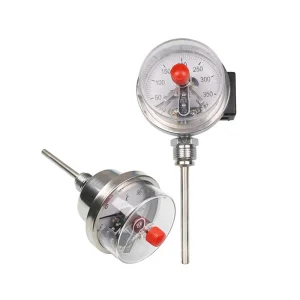
Electric contact modules allow mechanical gauges to function simultaneously as local visual indicators and physical alarm/control switches. When the pointer reaches pre-set high or low thresholds, magnetic switch contacts trigger external relays, pumps, sirens, or PLC safety shutdown systems without requiring secondary electronic transmitters.
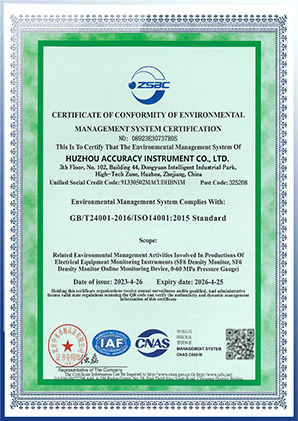
Our manufacturing standard operating procedures align with EN 837-1 for pressure gauges, EN 13190 for bimetallic thermometers, and ISO/IEC 17025 for laboratory calibration competence. Every instrument undergoes a multi-point hysteresis test, overpressure testing up to 130% of scale, and helium leak detection to guarantee zero micro-cracks before dispatch.
Glycerin is the standard, cost-effective filling liquid for vibration dampening in temperatures between -20°C and +60°C. Silicone oil is required for extreme low-temperature environments (down to -40°C/-60°C) or systems containing electrical contacts, as silicone exhibits non-conductive properties and maintains stable viscosity across wider temperature swings.
Yes. As a direct OEM manufacturer, Huzhou Accuracy Instrument provides custom thread geometries (NPT, BSP, Metric, SAE), custom dial artwork (dual-scale bar/PSI/kPa, branded logos, color-coded safety zones), custom capillary lengths, and specific wetted metallurgy tailored to precise client engineering drawings.
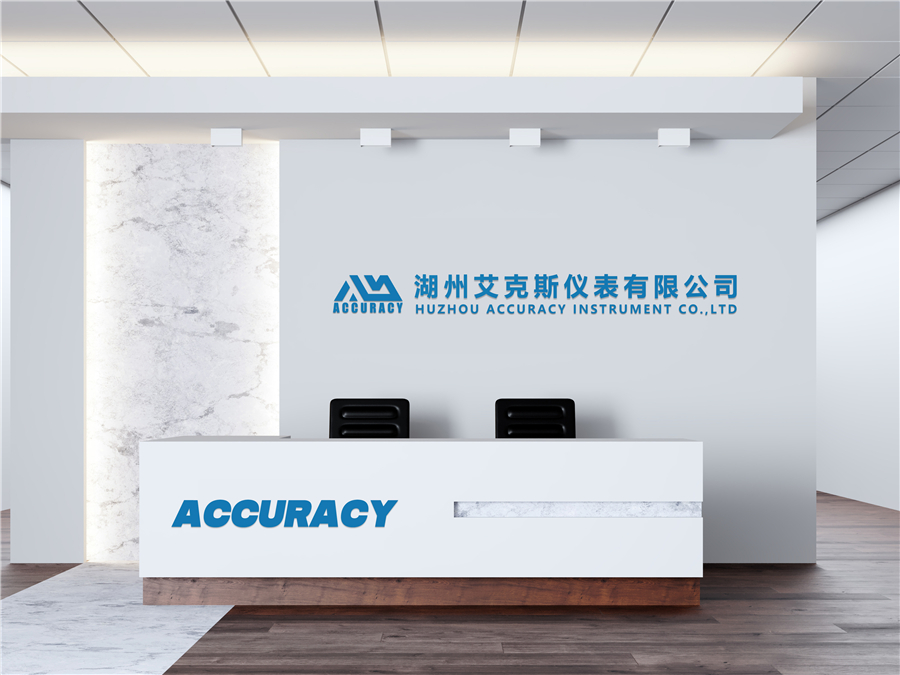
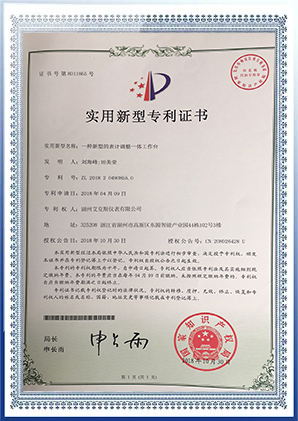
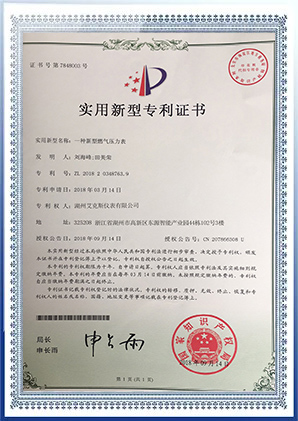
Huzhou Accuracy Instrument Co., Ltd. is professionally engaged in the development, sales, and service of industrial mechanical pressure gauges, bi-metal thermometers, SF6 manometers, and advanced pressure sensors. Our solutions serve key industries worldwide including Mechanical Engineering, Chemical Processing, Food & Beverage, Pharmaceuticals, and High-Technology Electric Appliances.
Spanning over 3,000 square meters of state-of-the-art manufacturing space, our facility integrates automated laser welding line systems, high-vacuum helium mass spectrometers for leak detection, and computerized laser calibration rigs. Operated by 20 R&D specialists and 120 skilled technicians, our annual output exceeds 2 million precision units.
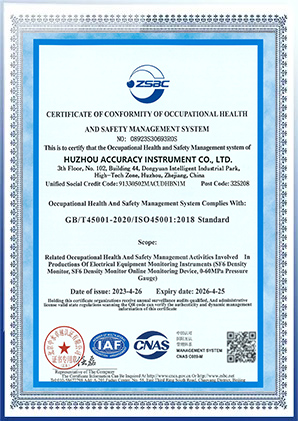
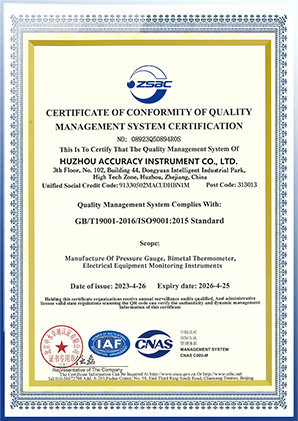
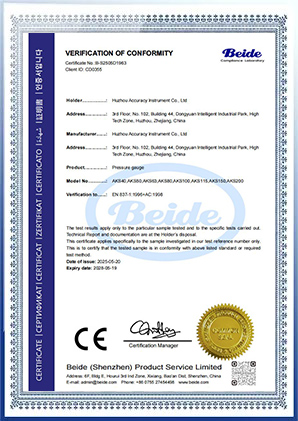
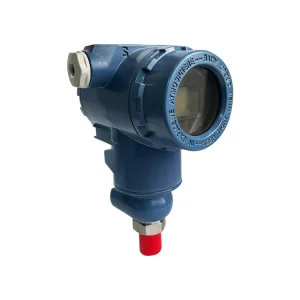
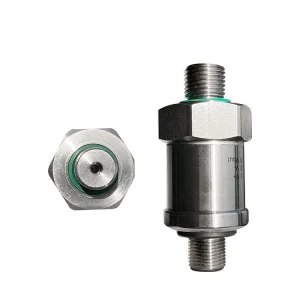
Explore our full spectrum of CE-certified pressure sensors, smart 3051 transmitters, and custom bimetal control switches.
 Accuracy Instrument