Precision-engineered bimetallic, diaphragm, and digital measurement instruments manufactured for high-voltage substations and industrial infrastructure.
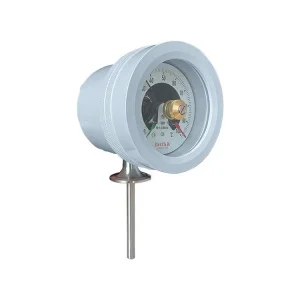
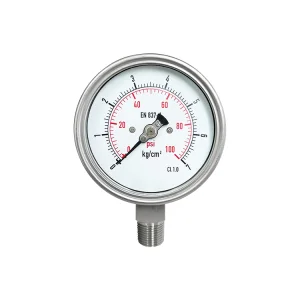
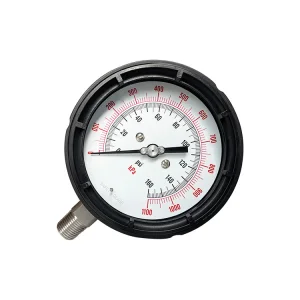
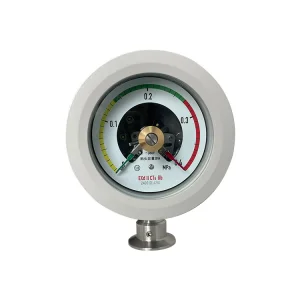
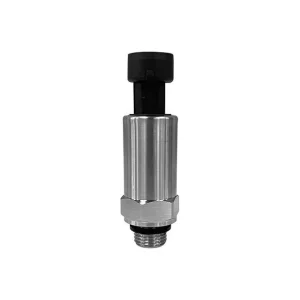
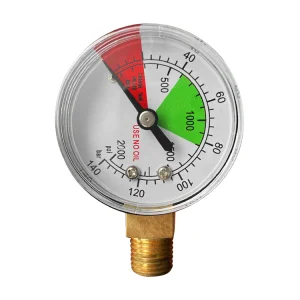
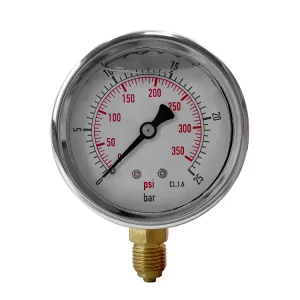
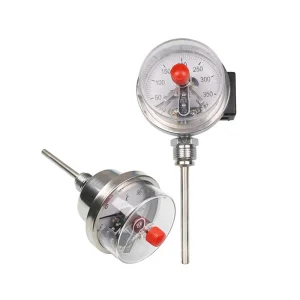
An authoritative analysis of gas-insulated switchgears (GIS), gas-insulated lines (GIL), and OEM manufacturing compliance under global decarbonization standards.
Sulfur Hexafluoride (SF6) remains the premier dielectric medium utilized in electrical power transmission and distribution equipment worldwide, particularly within high-voltage (HV) and extra-high-voltage (EHV) Gas-Insulated Switchgears (GIS), Gas-Insulated Lines (GIL), circuit breakers, and transformers. Possessing dielectric strength approximately 2.5 times greater than air and exceptional arc-quenching capabilities, SF6 gas enables compact substation footprints in dense urban centers and harsh industrial zones. However, SF6 is also identified under the Kyoto Protocol and EU F-Gas Regulations (EU 517/2014) as a potent greenhouse gas with a Global Warming Potential (GWP) 23,500 times that of CO2. Consequently, maintaining the absolute structural and leak-tight integrity of SF6 enclosures is both an essential operational safety requirement and a critical environmental compliance imperative.
Core Engineering Principle: Because gas pressure fluctuates dynamically with ambient temperature changes according to Gay-Lussac’s Law (P1/T1 = P2/T2), standard pressure gauges cannot accurately distinguish between safe temperature drops and hazardous gas leaks. Modern SF6 Gas Density Monitors overcome this limitation by continuously calculating isochoric pressure—normalizing measured pressure values to a standard reference temperature of +20°C via bimetallic temperature compensation mechanisms or integrated microprocessor algorithms.
As power utility operators globally accelerate grid modernization, the market demand for certified OEM SF6 Gas Density Monitors, density switches, and hybrid transmitters has grown exponentially. Electric grid reliability depends entirely on detecting minor gas leaks before insulation levels drop below critical dielectric breakdown thresholds. OEM suppliers and specialized factories play a vital role in delivering micro-calibrated, hermetically sealed, vibration-resistant density monitoring instruments capable of functioning continuously across 30+ year equipment lifetimes without drift or false alarms.
The technological evolution from pure mechanical Bourdon tube monitors to smart, IoT-enabled multi-parameter transmitters driving Substation Automation Systems (SAS).
Traditional installations relied strictly on mechanical bimetallic switches to trigger local dry-contact alarm/lockout relays. Today's transmission grids require continuous digital telemetry. Modern hybrid monitors integrate high-precision quartz or piezoresistive pressure sensors alongside traditional mechanical pointers, transmitting real-time 4-20mA or RS485 Modbus RTU signals directly to SCADA and IEC 61850 substation networks.
Leading OEM factories now manufacture comprehensive online monitoring systems that concurrently track SF6 Gas Density (MPa normalized at 20°C), Internal Gas Temperature (°C), and Micro-Water / Dew Point (ppmv). Moisture ingress inside GIS equipment degrades SF6 under electrical arcing into highly corrosive hydrofluoric acid (HF) and toxic SO2 gas; triple-parameter sensing prevents flashovers proactively.
In response to global eco-regulations, power equipment OEMs are deploying eco-friendly alternative gas mixtures such as Fluoronitriles (C4-FN mixed with CO2/N2) and Clean Air. Advanced density monitors must feature custom-calibrated isochoric curves specifically engineered for non-SF6 gas compositions, guaranteeing accurate density readings across diverse chemical molecular structures.
Evaluating procurement requirements across North America, Europe, Asia-Pacific, and emerging high-growth electrical grid markets.
The global market for SF6 gas density monitoring equipment is directly tied to investments in utility grid expansion, industrial electrification, and renewable energy integration (such as offshore wind farms and large-scale solar installations). Global procurement teams focus on three primary criteria when evaluating OEM switchgear instrument suppliers:
In mature markets like North America and Western Europe, aging electrical infrastructure mandates brownfield retrofit programs where old mechanical gauges are replaced with smart density transmitters to enable condition-based maintenance (CBM). Conversely, rapid industrialization and urban expansion in the Asia-Pacific, Middle East, and Latin American regions drive massive greenfield extra-high-voltage substation developments, creating huge demand for bulk-supplied, OEM-branded gas density switchgear components.
How Chinese precision instrumentation hubs deliver scale, cost competitiveness, and stringent international quality standards.
China's specialized instrumentation clusters leverage fully automated Industry 4.0 production lines. From CNC precision turning of AISI 316L stainless steel pressure connections to automated laser seam welding of bimetallic temperature compensation capsules, Chinese OEM factories maintain tight tolerances. High-speed automated gas filling and digital laser calibration systems ensure every SF6 density gauge achieves accurate switching accuracy (±1.0% or ±1.5% F.S. at +20°C).
The cornerstone of SF6 monitoring production is preventing seal degradation. Tier-1 Chinese suppliers implement 100% Helium Mass Spectrometer Leak Detection protocols across all manufactured units, guaranteeing leakage rates well below 1 × 10⁻⁹ mbar·l/s. End-to-end supply chain integration—from raw metal forging to in-house PCB SMT assembly—allows Chinese factories to offer unmatched cost-efficiencies while fully complying with ISO9001, CE, and IEC 62271-203 switchgear requirements.
Understanding the physics of SF6 gas state equations, bimetallic mechanics, and electrical contact configurations.
Within a sealed gas-filled switchgear compartment, the volume ($V$) remains constant. According to the Beattie-Bridgeman state equation for real gases, pressure ($P$) fluctuates as ambient temperature ($T$) changes. A non-compensated standard gauge would register high pressure on a hot summer day and lower pressure during winter freezing, generating false leak alerts.
An OEM SF6 Gas Density Monitor utilizes a specialized bimetallic compensating strip link positioned between the movement mechanism and the pointer/microswitch assembly. This bimetal link expands or contracts proportionally to ambient temperature shifts, offsetting the thermal expansion of the SF6 gas and ensuring the pointer indicates only true density variations (pressure at reference +20°C).
For automated alarm triggering, density switch contacts must operate reliably without contact chattering caused by switchgear mechanical vibrations (e.g., circuit breaker closing operations). Premium density switches incorporate magnetic snap-action contacts with gold or silver-nickel alloy plating.
Typical alarm thresholds configured in OEM switchgear density monitors include:
Engineering customized density monitoring solutions tailored to diverse geographical and industrial operating conditions.
Substations located in Nordic, Siberian, or high-altitude alpine regions endure extreme ambient freezing down to -50°C. Standard elastomeric O-rings harden and leak, while silicone damping oils freeze. OEM factory solutions feature custom metal-to-metal copper gasket seals, specialized arctic-grade internal bimetals, and low-viscosity silicone fluid filling to maintain responsive pointer movement.
Offshore wind farm GIS substations are exposed to continuous salt spray, high humidity, and airborne marine corrosion. SF6 density monitors deployed in these environments require AISI 316L stainless steel enclosures, IP67/IP68 hermetic sealing, dynamic glass lens anti-fog treatment, and salt-spray testing exceeding 1,000 hours per ASTM B117 standards.
Mining complexes, steel rolling mills, and seismically active regions subjects switchgears to extreme structural vibrations and mechanical shocks. Shock-proof oil-filled density monitors (liquid filling with neutral silicone oil) cushion internal mechanical movements, preventing pointer flutter and eliminating false contact switching during heavy fault clearing.
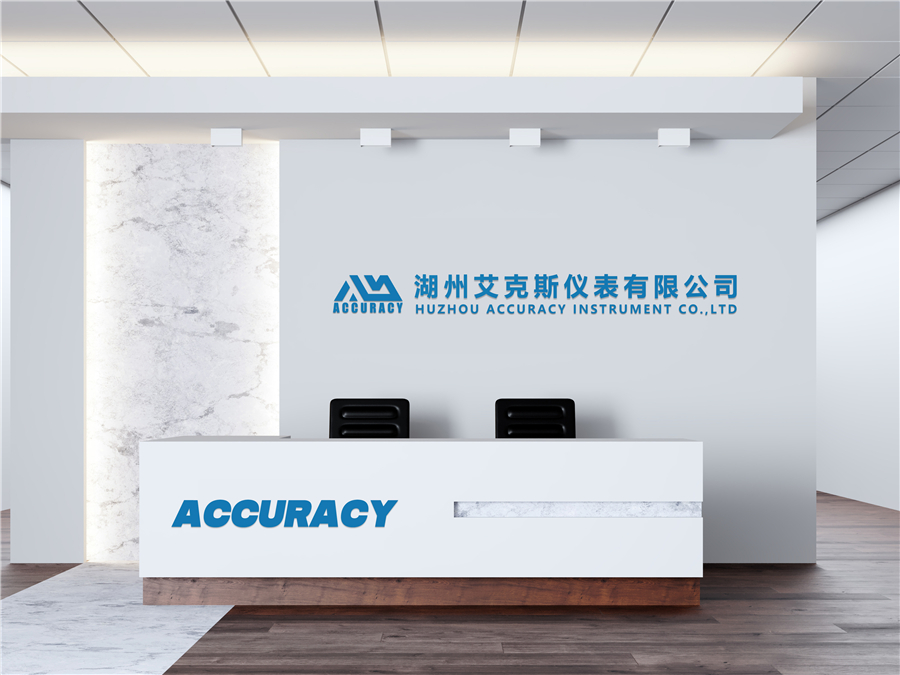
Huzhou Accuracy Instrument CO LTD is professionally engaged in the development, sales and service of industrial mechanical pressure gauges, bi-metal thermometers, SF6 manometer, pressure sensor. Products are widely used in various applications such as Mechanical Engineering, Chemical Engineering, Food Industry, Pharmaceutical, and high technology electric appliances.
Established over two decades ago, our pressure gauge manufacturing facility spans 3,000 square meters, equipped with advanced production lines and rigorous quality control systems. As an industry leader, we integrate innovation with precision engineering to deliver reliable measurement solutions for global clients.
R&D Department (20 specialists): Focuses on material innovation, smart sensor integration, and compliance with international standards (e.g., ISO, API).
Production Workforce (120 technicians): Utilizes automated assembly and laser calibration technologies to ensure product durability and accuracy.
Sales & Service Unit (15 professionals): Provides 24/7 technical support and customized solutions across 30+ countries.
Annual output exceeds 2 million units, covering industrial-grade gauges (e.g., stainless steel gauge, black steel gauge, shock-proof gauge, sf6 gauge, thermometer, pressure sensor) for oil/gas, HVAC, and pharmaceutical sectors.
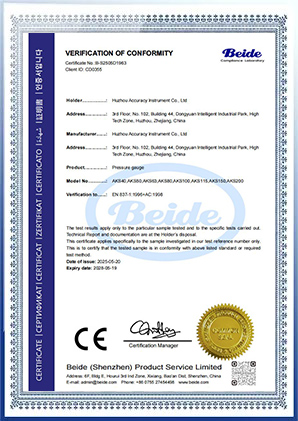
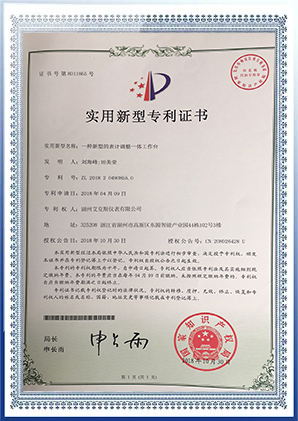
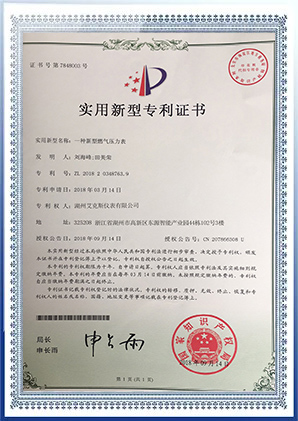
Products exported worldwide, with certifications including ISO, SGS, and CE, earning recognition for corrosion resistance and ±0.5% precision.
Our laboratory conducts 100% pressure cycle tests and environmental simulations, adhering to ISO 9001 and ISO 17025 standards.
Continuous improvement drives our reputation for "zero-leak" performance in extreme conditions, supported by a comprehensive one-year warranty on all delivered equipment.
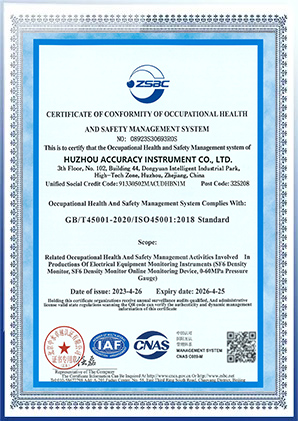
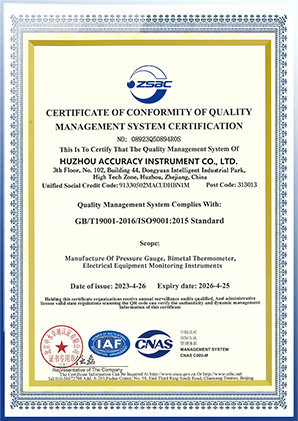
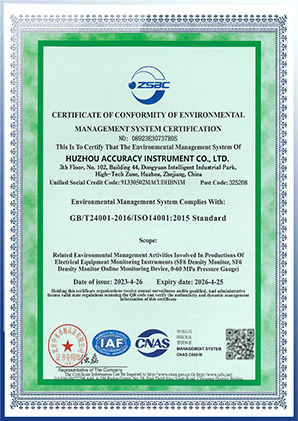
We have long followed the concept of "reasonable price, accurate delivery, good quality" and several business management models to keep our production quality above the required benchmark under ISO9001:2008 certified.
Answers to crucial engineering questions regarding SF6 gas density monitoring, switch setpoints, and OEM integration.
A standard pressure gauge measures uncompensated total gas pressure, which fluctuates directly with temperature shifts. An SF6 Gas Density Monitor incorporates a bimetallic compensation strip (or digital temperature algorithm) that normalizes pressure measurements to equivalent density at +20°C. This ensures that ambient temperature variations do not trigger false leakage alarms.
Switchgears experience significant mechanical shock during circuit breaker trip operations. Magnetic snap-action contacts utilize small permanent magnets to pull contacts tightly together once they reach proximity, preventing electric contact chattering, arcing, and false trip signals during breaker vibration.
Yes. As a direct factory manufacturer, we offer full OEM/ODM customization including customer logo printing, dual-scale dials (e.g., MPa and bar normalized at 20°C), custom electrical lead lengths, specific valve connection interfaces (G1/2, M20x1.5, NPT), and specialized alarm contact setpoints.
Every density monitor undergoes a multi-stage seal test: first during mechanical capsule assembly using high-pressure nitrogen submerged testing, and finally using a Helium Mass Spectrometer Leak Detector on completed assemblies to verify leak rates below 1 × 10⁻⁹ mbar·l/s.
Yes. Alternative gases possess different thermal expansion coefficients and pressure-temperature curves compared to pure SF6. Our R&D team designs specialized compensation bimetals and custom digital mapping algorithms engineered for specific alternative gas formulations.
According to CIGRE and IEC guidelines, mechanical density monitors should undergo functional testing and calibration verification every 3 to 5 years. Hybrid smart density transmitters with digital self-diagnostics can extend maintenance intervals up to 8–10 years.
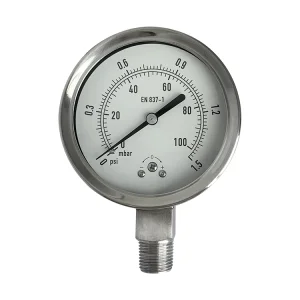
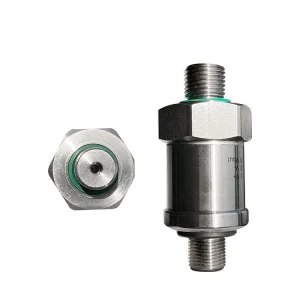
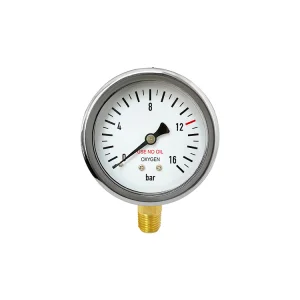
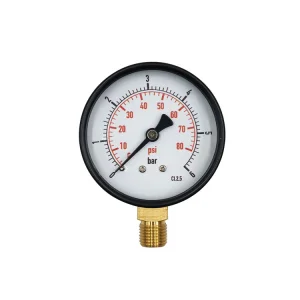
Comprehensive catalog of OEM pressure gauges, sensors, and bimetallic thermometers manufactured under ISO9001:2008 benchmarks.
 Accuracy Instrument