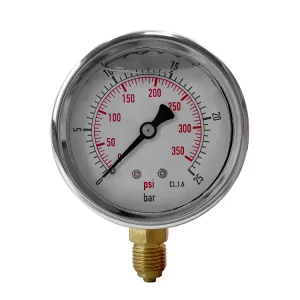
Engineered for high-corrosion resilience, tropical humidity, and zero oil-contamination operational risks.
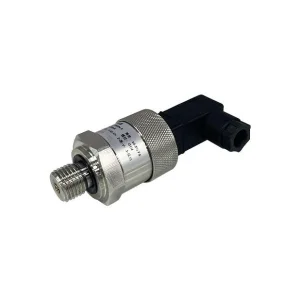
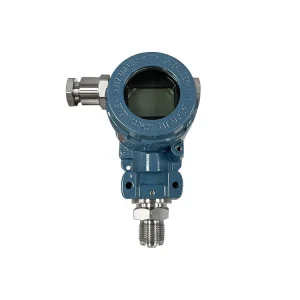
A Comprehensive Technical Analysis for Procurement Managers, Systems Integrators, and Automation Engineers in the Philippines.
The Greater Manila Area—encompassing Metro Manila and surrounding economic zones across CALABARZON (Cavite, Laguna, Batangas, Rizal, and Quezon)—is undergoing an unprecedented industrial modernization. As process industries in Manila transition toward Smart Factory architectures, IoT-enabled process control, and heightened regulatory compliance under the Philippine Economic Zone Authority (PEZA), the demand for robust, high-accuracy pressure sensing instrumentation has reached a critical turning point.
Modern process control in Manila presents severe operational challenges for legacy metal-diaphragm sensors. Industrial facilities operating in regions such as the Laguna Technopark, First Philippine Industrial Park (FPIP), and the coastal processing zones of Manila Bay face three concurrent environmental factors:
Relative humidity averaging over 80% combined with coastal marine air promotes rapid oxidation, galvanic corrosion, and micro-pitting in standard metallic pressure diaphragms.
From industrial municipal wastewater treatment (Maynilad and Manila Water networks) to chemical dosing and food processing plants, aggressive acids and CIP chemicals destroy oil-filled metallic sensors.
Water distribution infrastructure and heavy machinery experience severe water hammer and dynamic overpressure spikes that permanently deform traditional stainless steel sensing elements.
To mitigate downtime, avoid fluid contamination, and ensure zero-leak calibration stability, engineering teams across Manila are systematically replacing legacy silicon and metal foil sensors with high-purity Alumina ($\text{Al}_2\text{O}_3$) Ceramic Pressure Sensors. As a primary OEM manufacturer and direct factory supplier, Huzhou Accuracy Instrument Co., Ltd. delivers dry-measuring ceramic cell technology directly engineered to solve these regional industrial challenges.
Understanding the architectural advantages of dry piezoresistive ceramic sensors over piezoresistive silicon and metallic foil cells.
Unlike oil-filled pressure transmitters that rely on an internal silicone oil transfer fluid enclosed by a flexible metallic membrane, ceramic pressure sensors utilize a solid ceramic body ($96\%$ or high-purity $99.5\% \text{ Al}_2\text{O}_3$). Thick-film piezoresistors are screen-printed onto the unexposed rear face of the ceramic diaphragm and fired at ultra-high temperatures ($>1000^\circ\text{C}$).
When media pressure deforms the ceramic diaphragm, the resistance values change proportionally according to the Wheatstone bridge configuration. Because the process media contacts the raw ceramic substrate directly without an intervening isolation diaphragm or fluid fill, the risk of silicone oil contamination—fatal to food, beverage, and semiconductor process lines—is completely eliminated.
Alumina ceramic exhibits extraordinary hardness (Mohs scale 9), extreme elastic recovery, and superior mechanical memory compared to standard 316L stainless steel. Upon exposure to pressure surges up to 400% of nominal range, ceramic diaphragms flex elastically without undergoing plastic deformation, returning precisely to zero point with zero hysteresis drift.
| Performance Parameter | High-Purity Ceramic ($\text{Al}_2\text{O}_3$ 99.5%) | Metallic Diaphragm (316L Stainless Steel) | Glass Micro-Fused Silicon |
|---|---|---|---|
| Chemical Immunity | Extreme (Immune to acids, alkalis, CIP washdown) | Moderate (Prone to pitting in high-chloride media) | Low (Requires specialized isolation seal) |
| Overload Limit Ratio | Up to 400% - 500% of nominal range | 150% - 200% maximum | 200% maximum |
| Oil Contamination Risk | Zero Risk (Dry measuring cell construction) | High Risk (Oil fill diaphragm breach hazard) | Moderate to High |
| Long-term Drift Stability | < 0.1% FS / Year | < 0.25% FS / Year | < 0.2% FS / Year |
| Abrasion Resistance | Exceptional (Immune to slurries & suspended solids) | Poor (Particulates score metallic membrane) | Poor (Requires protection cap) |
Deployment scenarios customized for utility operators, plant managers, and equipment manufacturers in the Philippines.
For large-scale water treatment networks managed across Metro Manila, accurate level control in deep wells, storage reservoirs, and pump stations is vital. Our submersed ceramic level transmitters and pressure sensors resist hydrogen sulfide ($\text{H}_2\text{S}$) degassing, chlorine oxidation, and sediment buildup, maintaining long-term precision without frequent recalibration.
In Manila's sprawling food and beverage manufacturing centers, process lines require strict hygienic protocols. Using our dry ceramic sensor cores with sanitary tri-clamp or flush diaphragm fittings prevents batch contamination while tolerating daily Clean-in-Place (CIP) thermal cycles up to $125^\circ\text{C}$.
Handling aggressive acids, caustic solutions, and organic solvents along Manila's port industrial facilities demands ultimate chemical inertness. Ceramic sensors paired with PVDF, PTFE, or 316L housings offer standard-setting life cycles against media that would rapidly degrade traditional metallic sensors.
High-rise developments in Bonifacio Global City (BGC), Makati CBD, and Ortigas rely on central chilled water plant automation. Our ceramic pressure sensors monitor differential pressures and pump suction/discharge pressures with integrated 4-20mA or RS485 Modbus outputs for effortless building management system (BMS) integration.
Two Decades of Engineering Excellence, Precision Manufacturing, and Global Supply Resilience.
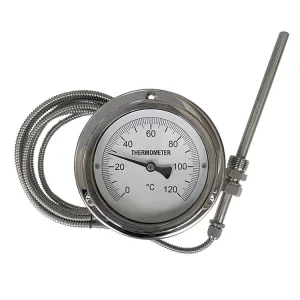
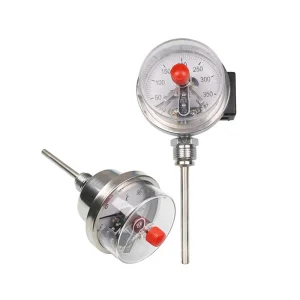
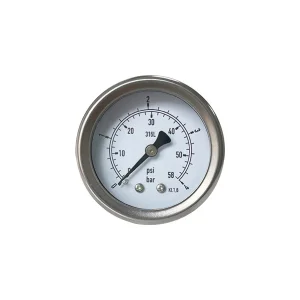
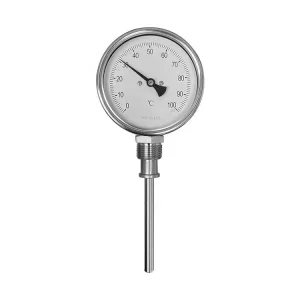
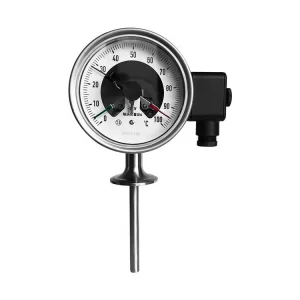
Established over two decades ago, Huzhou Accuracy Instrument Co., Ltd. spans a modern 3,000-square-meter state-of-the-art manufacturing plant equipped with automated calibration systems, laser trimming equipment, and environmental test laboratories. We specialize in the complete R&D, OEM design, and high-volume production of industrial mechanical pressure gauges, bimetal thermometers, SF6 gas manometers, and advanced piezoresistive ceramic pressure sensors.
Focused on advanced sensor ceramic substrate formulation, thick-film circuit optimization, temperature compensation algorithms, and compliance with API, ISO, and CE standards.
Utilizing automated robotic assembly, automated high-vacuum glass sealing, and dual-stage laser resistance calibration to deliver an annual capacity exceeding 2,000,000 units.
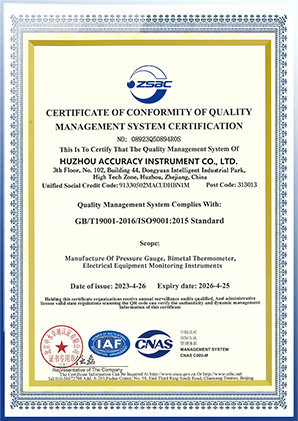
Every single sensor unit undergoes 100% pressure cycle stress testing, thermal shock testing, and zero-point stability checks adhering to strict ISO 9001:2008 and ISO 17025 laboratory guidelines.
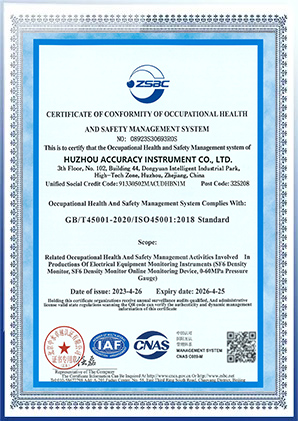
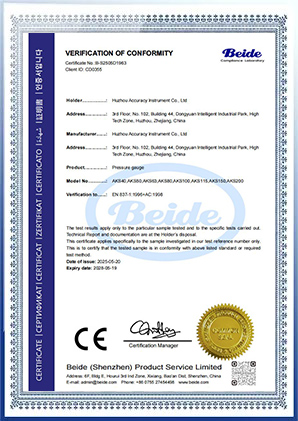
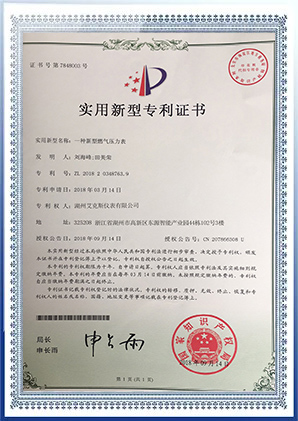
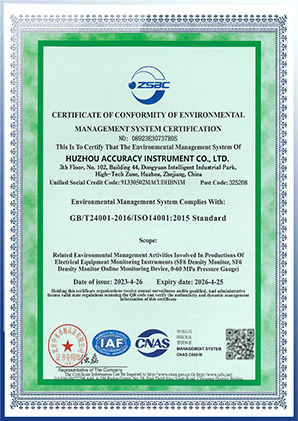
Our products meet international industrial standards and carry full CE, ISO, and SGS qualifications.
Eliminate middleman markups, guarantee fast freight lead-times to Manila ports, and secure custom OEM configurations.
We understand that systems integration projects in Metro Manila require precise process connection standards. We supply custom threading configurations including NPT (1/4", 1/2"), BSPP/G thread, metric threads, and sanitary tri-clamp fittings. Output signals can be tailored to standard 4-20mA 2-wire loops, 0-10V, 0.5-4.5V ratiometric, or digital I2C / RS485 Modbus RTU.
By shipping direct from our factory in Zhejiang, China to the Port of Manila (South Harbor / North Harbor) or Ninoy Aquino International Airport (NAIA) air cargo terminals, we provide enterprise procurement teams with significant advantages:
Technical & Commercial Insights for Ceramic Pressure Sensor Buyers in Manila
Explore our complete product offering serving industrial applications in Manila and worldwide.
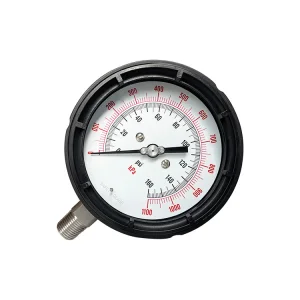
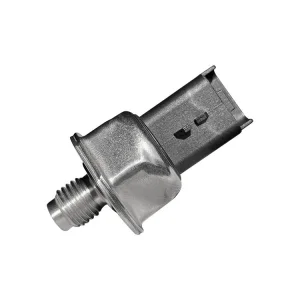
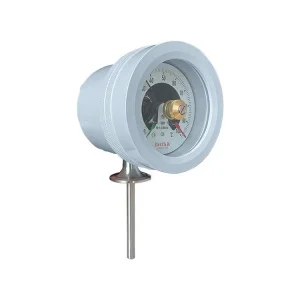
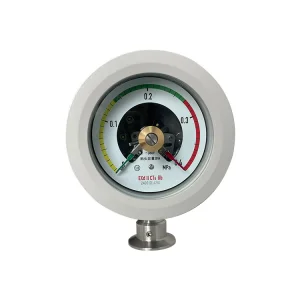
Accelerate your Manila process control project with direct factory pricing, full technical engineering support, and fast door-to-door delivery.
Send Inquiry Now Accuracy Instrument