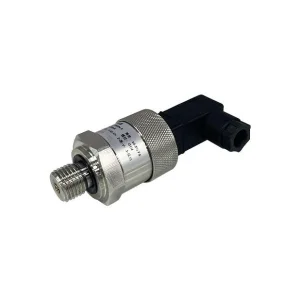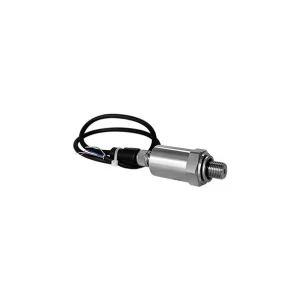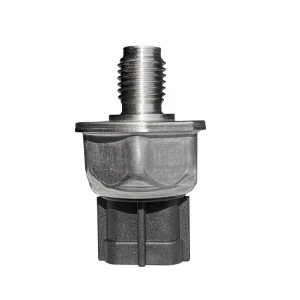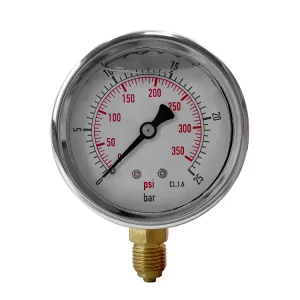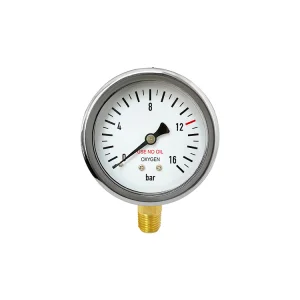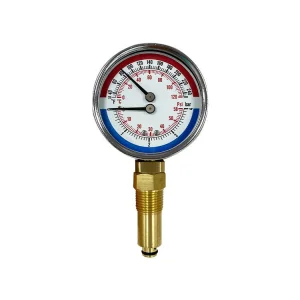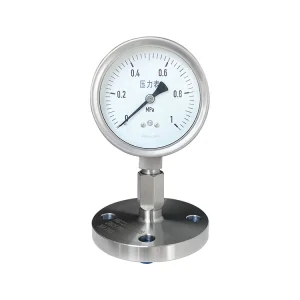
OEM AKS Industrial Ceramic Pressure Sensor Pressure Transmitter with Hessmann Connector Manufacturers, Supplier

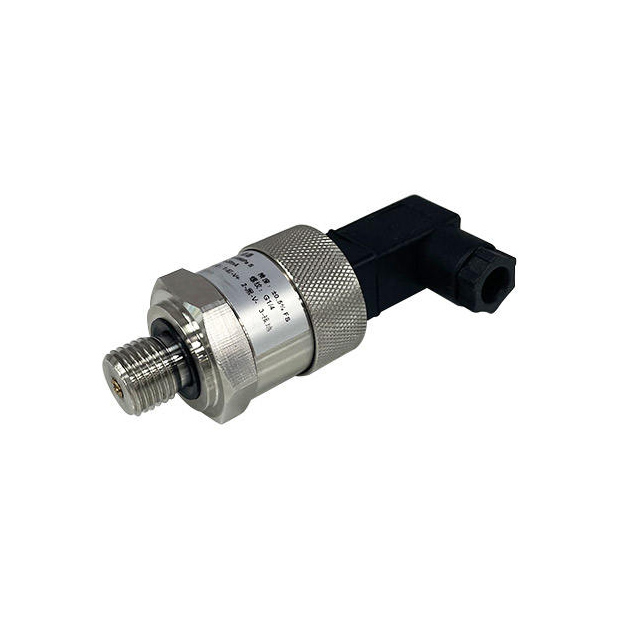
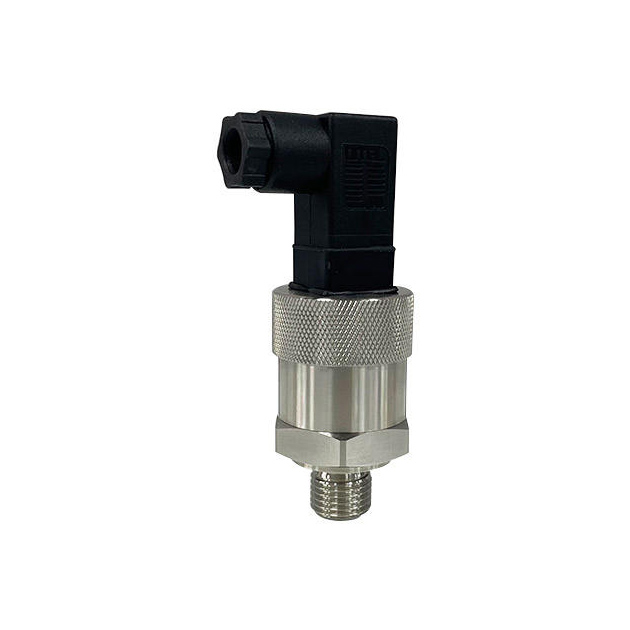
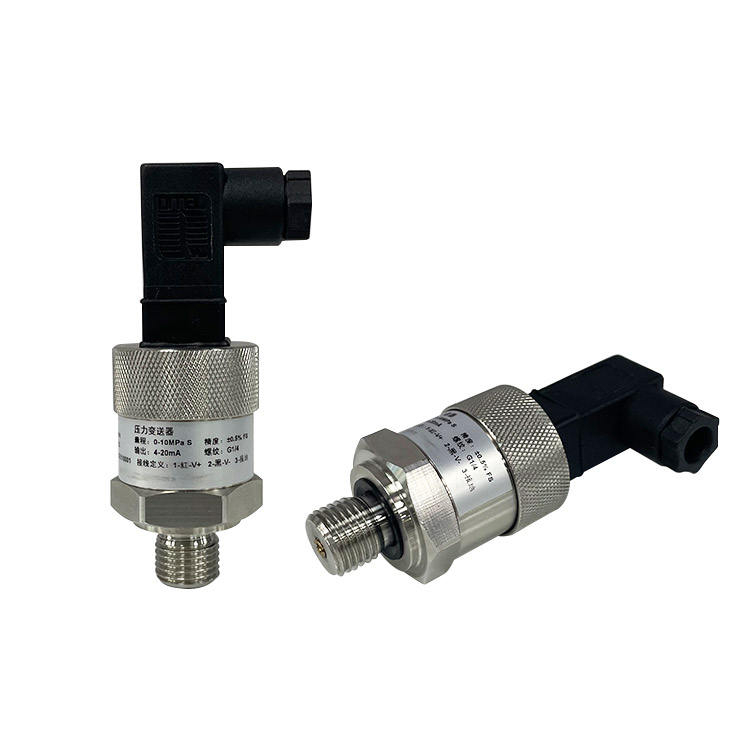
Ceramic Pressure Sensor refers to a type of pressure transmitter that uses a ceramic pressure core. It can measure the pressure of various liquids, gases and vapors compatible with ceramics. Small structure, wide range and a variety of output signals. 

A pressure sensor is a device employed to measure the pressure of gases and liquids.  These  sensors are used in a wide range of applications, from altitude sensing in rockets to pressure  switching in water networks. In some cases, pressure sensors may need to be used in harsh  conditions, high temperature applications, or corrosive environments. But conventional  pressure sensors may not be suitable for such applications. This is where ceramic pressure  sensors come.

This design combines excellent corrosion resistance, superior long-term stability, strong overload resistance, and excellent cost-effectiveness, making it a mainstream pressure sensing solution widely used in industrial automation, process control, level measurement, and consumer electronics.

Product Description

Product Specifications

Measurement Type Gauge / Absolute / Sealed Reference
Pressure Range 0~10MPa~600MPa (customizable per model)
Output Signal 4-20mA, 0-5V; 0-10V
Supply Voltage 24(12~36)VDC
Accuracy ±0.25%, ±0.5% FS (customizable)
Temperature Range Operating: -40°C to +80°C; Storage: -40 to +125°C
Load Capacity Up to 150% of full scale without damage
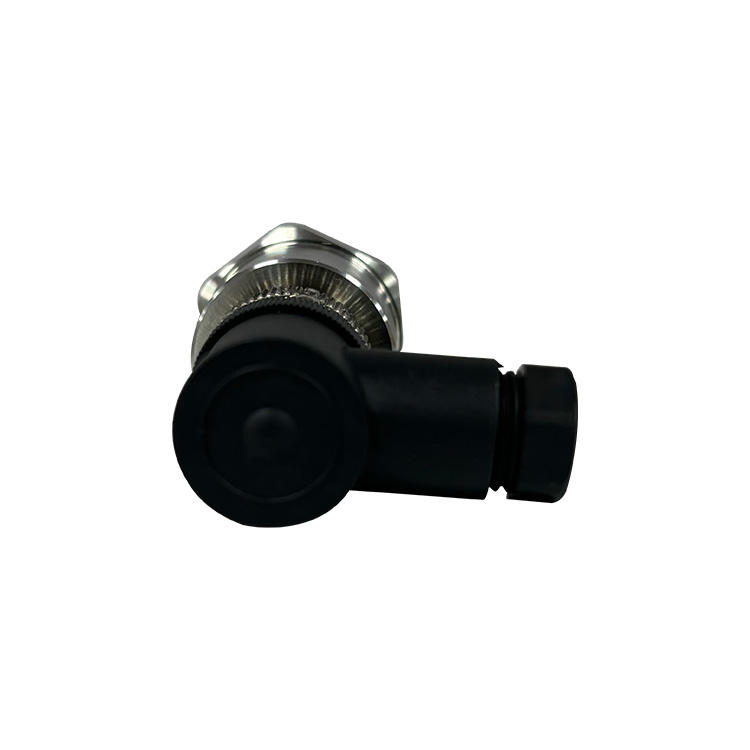
Electrical Connection M12×1.5, DIN connector, direct lead wire, hermetically sealed
Process Connection M20×1.5, G1/4, G1/2, NPT1/2 (customizable)
Display Option 4-digit LED or 5-digit LCD (optional)
Protection Rating IP65/IP67 (depending on housing design)

Key Features

Significantly stronger than stainless steel diaphragms and lasts much longer
Cost less than an equivalent oil-filled stainless steel sensor
Stand out high accuracy (with precision up to 0.1% or higher)
Strong corrosion resistance (able to withstand acids, bases, salts, and other corrosive media)
Temperature measuring resistor responds quickly
Good long-term stability
Easy to install

Applications

Industrial process control: Pressure monitoring of pumps, valves, and pipelines in chemical, pharmaceutical
Fluid power systems: Hydraulic and pneumatic pressure control for engineering and agricultural machinery.
Medical equipment: ventilators, anesthesia machines, blood pressure monitors
Liquid level measurement: Indirectly measure the liquid level height of storage tanks and water tanks by pressure measurement.
Automotive Industry: For monitoring oil, fuel, and air pressures within engines and transmission systems.
Industrial Process Control: In chemical plants, water treatment facilities, and food processing, where resistance to corrosive substances is essential.

Installation & Usage Notes

Mount vertically on the pressure port to avoid stress-induced errors
Avoid direct sunlight and rain exposure when installed outdoors
In lightning-prone areas, install surge protection and ensure proper grounding
Zero and span can be adjusted via internal potentiometers if required (factory pre-calibrated)
Compatible with SCADA, DCS, PLCs, and smart instrumentation systems

Frequently Asked Questions (FAQ)

What is the available pressure range for this product?
The standard pressure range spans from 0~10MPa up to 600MPa, with custom pressure range configurations available based on specific model requirements.
What output signals and power supply specifications are supported?
The unit supports standard industrial output signals including 4-20mA, 0-5V, and 0-10V, operating on a 24VDC (12~36VDC range) power supply.
Is this sensor suitable for corrosive environments?
Yes, the sensor features strong corrosion resistance capable of withstanding acids, bases, salts, and other aggressive media. It is also rated IP65/IP67 for robust ingress protection.
Can the zero and span settings be adjusted manually?
Yes, zero and span can be fine-tuned via internal potentiometers if required, although units are factory pre-calibrated prior to shipment.
How should the sensor be installed to ensure high accuracy?
It is recommended to mount the unit vertically on the pressure port to avoid stress-induced measurement errors. For outdoor applications, protect the sensor from direct sunlight, heavy rain, and install surge protection in lightning-prone areas.

Related Products