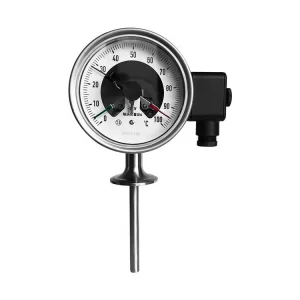
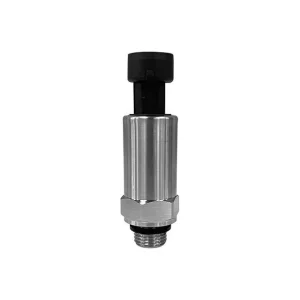
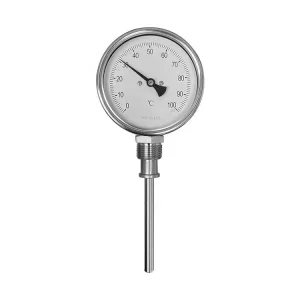
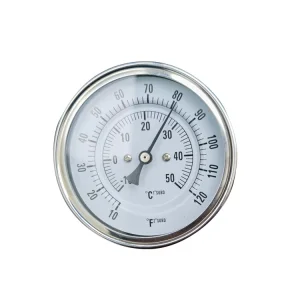
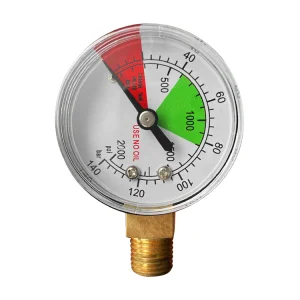
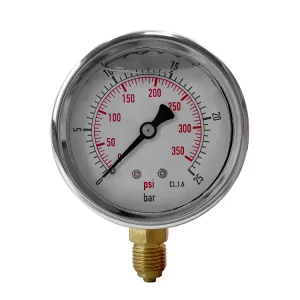
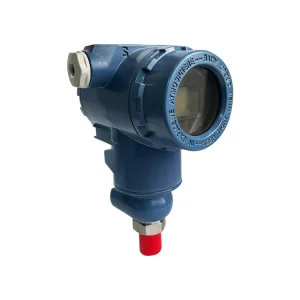
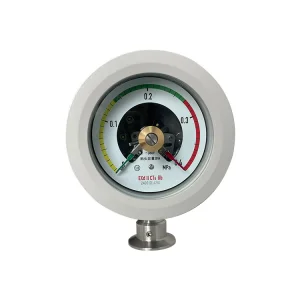
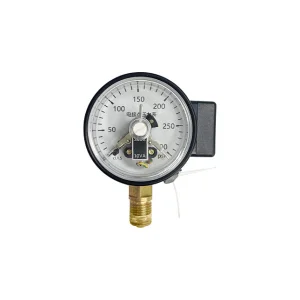
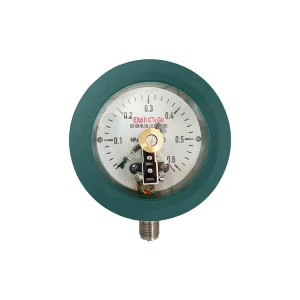
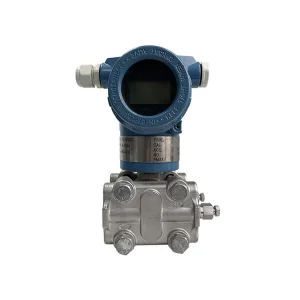
Precision-engineered mechanical and electronic pressure gauges built for critical thermal operations.
Modern industrial processing environments are shifting toward extreme operational thresholds. Petrochemical cracking units, superheated steam turbines, cryogenic gas storage facilities, and aerospace testing rigs routinely subjects pressure instrumentation to thermal stresses ranging from -200°C to over +400°C. In these rigorous environments, standard Bourdon tube pressure gauges fail due to thermal zero shift, solder joint melting, internal fill fluid vaporisation, and mechanical fatigue.
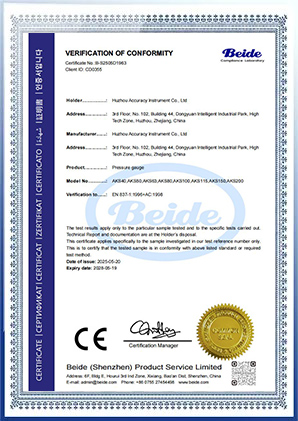
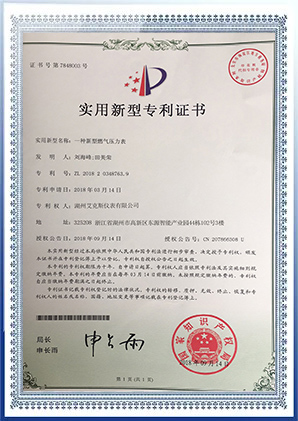
Securing a CE Certification Temperature Resistant Pressure Gauge Supplier & Factory is no longer merely a procurement task; it is a critical safety, risk-management, and operational continuity requirement. CE marking under the Pressure Equipment Directive (PED 2014/68/EU) and Electromagnetic Compatibility (EMC Directive 2014/30/EU) ensures that mechanical and electromechanical pressure sensing units preserve high measurement integrity (Accuracy Class 1.0, 1.6, or 0.5%) under severe thermal cycling and mechanical vibration.
Engineered with Inconel X-750, 316L Stainless Steel, and Monel K-500 Bourdon tubes to mitigate thermal expansion errors and eliminate permanent elastic deformation under thermal shock.
Utilizing high-temperature silicone oils and inert fluorocarbon liquid damping (operating up to +300°C) to prevent pointer flutter without fluid discoloration or gas off-gassing.
Fully validated for high-pressure safety thresholds. Complies with EN 837-1 and EN 837-3 design rules, guaranteeing structural burst margins up to 4x working pressure.
Huzhou Accuracy Instrument Co., Ltd. is professionally engaged in the development, sales, and service of industrial mechanical pressure gauges, bi-metal thermometers, SF6 manometers, and advanced pressure sensors. Products are widely integrated across high-demand sectors such as Mechanical Engineering, Chemical Processing, Hygiene-Critical Food & Pharmaceutical, and High-Technology Electric Utilities.
Established over two decades ago, our specialized pressure instrument manufacturing facility spans over 3,000 square meters, featuring automated laser-welding lines, micro-pressure calibration rigs, and continuous high-temperature environmental simulation chambers. As an established global OEM/ODM direct factory, we combine metallurgical innovation with precise calibration to deliver rock-solid reliability across 30+ countries.
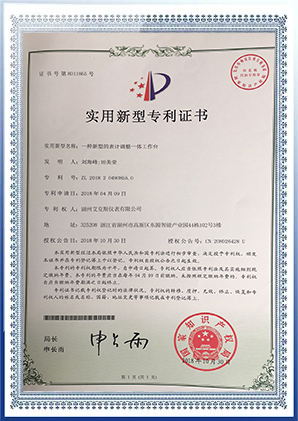
20 R&D Specialists: Focused on extreme-temperature material innovation, diaphragm fatigue analytics, smart sensor protocol integration (HART/Modbus), and international standardization (ISO, API, EN 837).
120 Certified Technicians: Utilizing automated assembly lines, robotic argon arc welding, TIG joint sealing, and automated multi-point optical laser calibration systems to guarantee zero-leak performance.
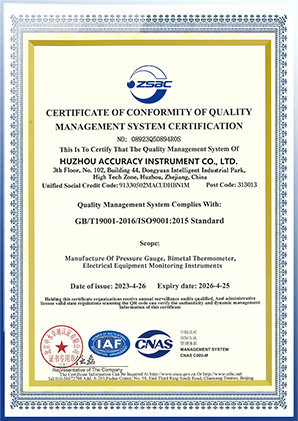
ISO 9001 & ISO 17025 Certified Testing: 100% pressure cycle testing, thermal soak testing from -40°C to +200°C, and helium leak detection down to 1x10⁻9 mbar·l/s backed by a standard 12-month factory warranty.
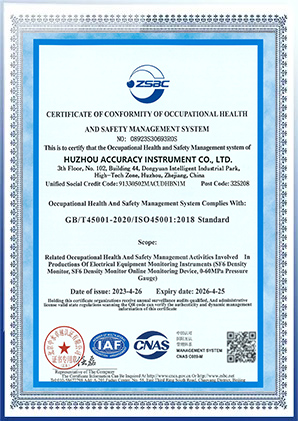
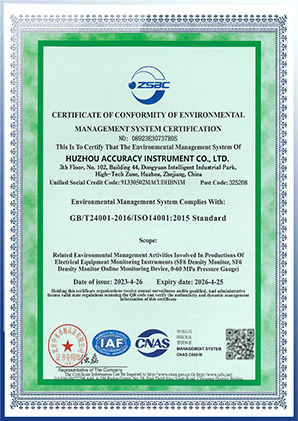
We strictly follow the manufacturing philosophy of "Reasonable Price, Accurate Delivery, Uncompromised Quality." Our operations are audited to keep production quality above global metrics.
When media temperatures surpass standard limits (typically >60°C for standard brass/bronze internal gauges), temperature-induced physical changes distort measurement accuracy. High ambient or process temperatures cause two primary failure modes:
As heat transfers from the process fluid to the Bourdon tube element, the Modulus of Elasticity ($E$) of the metal decreases. This softening makes the sensing element more flexible, causing the gauge to read falsely high pressure. The temperature error coefficient follows:
Our CE-certified temperature-resistant gauges utilize specialized heat-treated alloys and internal bimetallic temperature-compensating links to counter this effect automatically, holding drift within Class 1.0 tolerances up to 200°C media exposure.
Standard glycerin filling degrades and turns dark brown when exposed to sustained temperatures above 65°C, expanding rapidly and creating internal case overpressure that displaces the pointer zero point.
We engineer high-temperature units with synthetically refined Polydimethylsiloxane (Silicone Oil) or Fluorolube® options capable of continuous operation from -40°C to +250°C. Internal elastomeric compensation diaphragms (blow-out discs/grommets) automatically relief case pressure build-up.
| Component | Standard Gauge Specs | High-Temperature CE Gauge Specs | Extreme Thermal Isolation Specs |
|---|---|---|---|
| Wetted Element | Copper Alloy / Brass | 316L Stainless Steel / Monel K-500 | Inconel 718 / Hastelloy C-276 |
| Max Process Temp | +60°C (140°F) | +200°C (392°F) Direct Mount | +400°C (752°F) with Cooling Tower / Capillary |
| Case Fill Liquid | Glycerin 99.5% | High-Temp Silicone Fluid (50 cSt) | Halocarbon / High-Viscosity Inert Synthetic |
| Joint Fabrication | Soft Silver Solder | TIG Welded / Automated Laser Sealed | Direct Electron Beam Vacuum Fusion |
| CE & Safety Class | General Industrial | CE PED 2014/68/EU Cat I/II, S3 Safety | ATEX / CE Ex II 2 GD c IIC T6...T1 |
Engineered instrumentation must adapt to diverse local operating standards and environmental realities. Below are key operational profiles where our CE-certified temperature-resistant gauges provide robust measurement integrity.
In boiler rooms and thermal power networks across Europe and North America, steam temperatures routinely cross 300°C. Connecting our Stainless Steel Diaphragm Seal Gauges with Integrated Cooling Elements drops process temperature by over 150°C before media reaches the sensing cell, protecting calibrated accuracy.
Middle Eastern and Asian refining plants demand corrosive resistance alongside thermal tolerance. Utilizing Hastelloy C-276 diaphragms and laser-welded stainless steel cases ensures immunity against sulfurous compounds, H2S media, and high-heat hydrocarbon fractions up to 2000 PSI / 140 Bar.
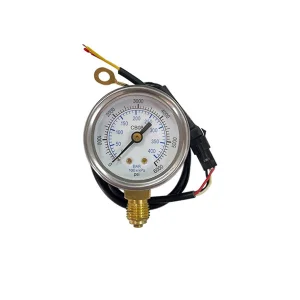
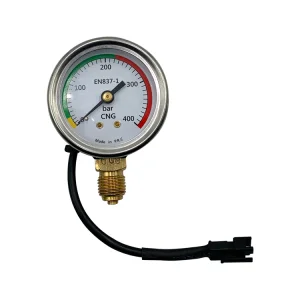
Compressed Natural Gas vehicle systems experience rapid thermal drops (Joule-Thomson effect during fast fueling) and severe engine compartment heat soak. Our CE-certified resistive CNG gauges maintain 5V/12V output fidelity despite severe engine bay thermal oscillations (-40°C to +125°C).
The next decade of industrial measurement relies on bridging mechanical endurance with digital intelligence. As factories adopt Industry 4.0 paradigms, temperature-resistant pressure gauges are evolving beyond passive dials into smart, self-diagnosing edge nodes.
Traditional piezoresistive silicon sensors break down at temperatures above 150°C due to p-n junction leakage. Next-generation roadmaps incorporate Silicon Carbide (SiC) MEMS elements and Fabry-Perot optical fiber pressure sensors capable of continuous operation in thermal zones up to +600°C without electronic cooling.
Integrating low-power WirelessHART, LoRaWAN, and Bluetooth Low Energy (BLE) modules inside explosion-proof heat-isolated gauge enclosures. Internal AI algorithms analyze thermal degradation rates of diaphragms and send predictive maintenance alerts to prevent catastrophic line rupture before failure occurs.
Direct answers to common procurement, compliance, and engineering questions.
Temperature-resistant pressure gauges incorporate upgraded metallurgy (316L SS, Inconel, or Monel instead of brass), high-viscosity non-degrading fill fluids (silicone or fluorinated oils), laser-welded joints rather than soft silver soldering, and optional thermal isolation hardware (cooling towers, siphons, or remote capillaries). These features prevent scale shift, internal fill expansion, and elastic deformation under high thermal stress.
CE certification ensures full compliance with European Union directives, specifically the Pressure Equipment Directive (PED 2014/68/EU) and Electromagnetic Compatibility Directive (EMC 2014/30/EU) for electronic variants. It guarantees that the gauge design has passed rigorous hydrostatic pressure testing, burst pressure verification (typically 400% of maximum range), and thermal stability checks, ensuring factory safety and compliance with international plant auditing guidelines.
A pig-tail or coil siphon creates a water trap where steam condenses before entering the gauge movement. The condensed liquid acts as a thermal barrier. A cooling tower uses radiating metal fins to dissipate heat into the ambient air via natural convection, reducing media temperatures from over +300°C down to safe operating levels (<60°C) before reaching the internal Bourdon tube or sensor cell.
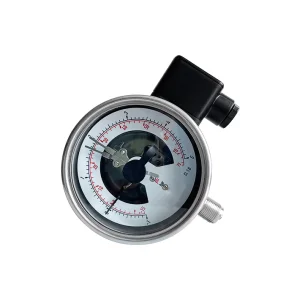
Yes. As a direct manufacturer with an in-house R&D team of 20 specialists, we offer complete OEM/ODM customization. This includes custom dual scales (Bar, PSI, kPa, MPa), logos, specific process connections (NPT, BSP, G, Flanged, Sanitary Tri-Clamp), electrical contact switches, and localized color zones for visual safety monitoring.
Standard production lead time ranges between 15 to 25 days depending on order volume and custom options. All instruments undergo 100% calibration testing under ISO 9001 quality management and come backed by a comprehensive 12-month factory warranty against manufacturing defects.
Direct factory supply for automotive, HVAC, chemical, and heavy industrial plant installations.
 Accuracy Instrument