Explore our primary range of CE-certified mechanical manometers, diaphragm-sealed pressure gauges, electronic contact switches, and smart transmitters engineered for heavy hydraulics, OEM machinery, gas density monitoring, and harsh industrial environments.
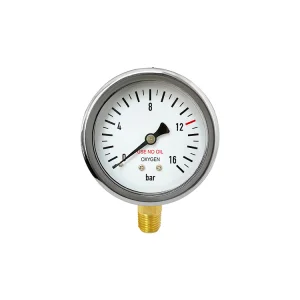
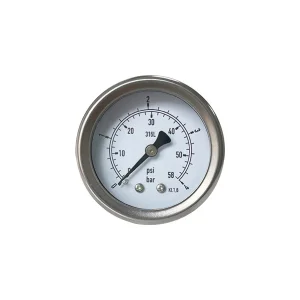
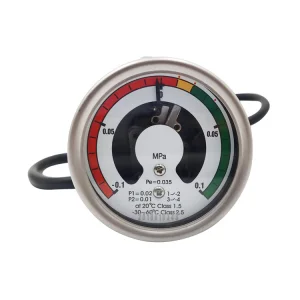
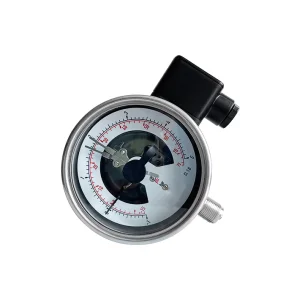
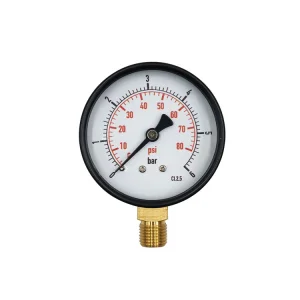
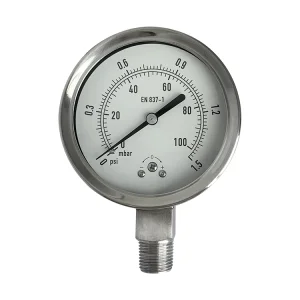
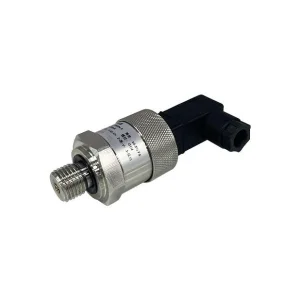
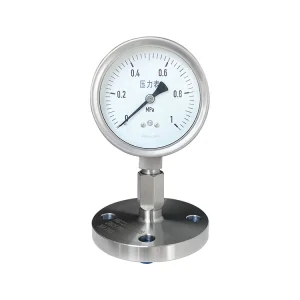
An Oil Pressure Gauge is a specialized industrial instrument designed to continuously measure, display, and regulate fluid pressure within internal combustion engines, hydraulic power units (HPUs), lubrication systems, and heavy-duty industrial machinery. Maintaining precise oil pressure is critical to preventing mechanical friction, engine seizure, component wear, and catastrophic systemic failures.
Operating via a curved C-shaped or helical metallic tube (typically phosphor bronze or 316L stainless steel), mechanical gauges deflect linearly as internal oil pressure increases. This mechanical deflection translates directly to dial movement via a precision gearing mechanism. They require no electrical power source, offering robust, uninterrupted visual readings in high-vibration engine bays.
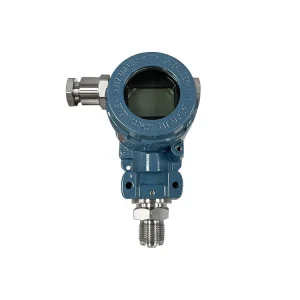
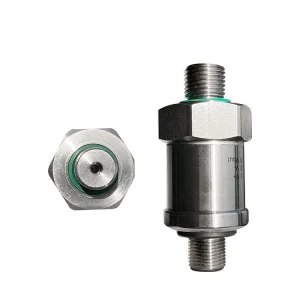
Electronic gauges utilize solid-state ceramic piezoresistive diaphragms or thin-film stainless steel strain gauges. As oil pressure exerts force on the diaphragm, electrical resistance alters proportionally, sending 4-20mA, 0-10V, or ratiometric digital signals to Engine Control Units (ECUs), SCADA systems, or digital dashboard displays.
Engine environments subject gauges to intense mechanical vibration and pressure pulsations. Filling the gauge case with food-grade Glycerin or high-viscosity Silicone oil dampens pointer flutter, lubricates internal gears, prevents internal condensation, and significantly extends operational lifespan.
For global procurement teams, sourcing oil pressure gauges and transmitters backed by valid CE Certification (Conformité Européenne) is not merely a legal requirement within the European Economic Area (EEA)—it is a fundamental assurance of structural integrity, operational safety, and electromagnetic compatibility.
| EU Regulatory Directive | Applicable Technical Standards | Engineering Compliance Requirement |
|---|---|---|
| PED 2014/68/EU (Pressure Equipment Directive) | EN 837-1, EN 837-3, ASME B40.100 | Mandates burst pressure testing (minimum 1.3x to 4x working pressure limit), cycle fatigue resistance, hydrostatic sealing checks, and pressure vessel stress calculation. |
| EMC 2014/30/EU (Electromagnetic Compatibility) | EN 61326-1, EN 61000-6-2/4 | Ensures electronic oil pressure transmitters withstand RF interference, electrostatic discharges (ESD), and high-voltage electrical surges without signal degradation. |
| ATEX 2014/34/EU (Hazardous Environments) | EN IEC 60079-0, EN 60079-11 | Critical for oil & gas refinery gauges. Certifies intrinsic safety (Ex ii 2G Ex ia IIC T4 Ga) to prevent electrical sparks from igniting volatile hydrocarbon vapors. |
| RoHS Directive 2011/65/EU | IEC 62321 | Restricts hazardous substances (lead, mercury, cadmium, hexavalent chromium) in internal soldering, brass alloys, and digital circuitry. |
A CE-certified oil pressure gauge manufacturer undergoes rigorous third-party auditing of factory production control (FPC), type-examination certificates, and batch sampling verification to guarantee zero-leakage performance under extreme thermal and mechanical shock.
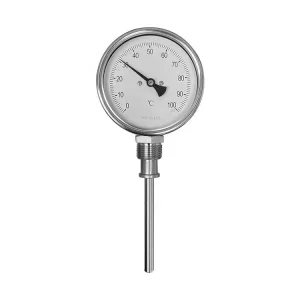
Huzhou Accuracy Instrument CO LTD is professionally engaged in the development, sales and service of industrial mechanical pressure gauges, bi-metal thermometers, SF6 manometer, and advanced pressure sensors. Products are widely used in various applications such as Mechanical Engineering, Chemical Engineering, Food Industry, Pharmaceutical, and high technology electric appliances.
Established over two decades ago, our pressure gauge manufacturing facility spans 3,000 square meters, equipped with advanced automated production lines and rigorous quality control systems. As an industry leader, we integrate innovation with precision engineering to deliver reliable measurement solutions for global clients across 30+ countries.
Our ISO-accredited laboratory conducts 100% pressure cycle tests, helium mass spectrometer leak detection, and thermal environmental simulations adhering to ISO 9001 and ISO 17025 standards. Continuous improvement drives our reputation for "zero-leak" performance in extreme conditions, supported by a standard one-year warranty.
We have long followed the concept of "reasonable price, accurate delivery, good quality" and several business management models to keep our production quality above the required benchmark under ISO9001:2008 certified systems.
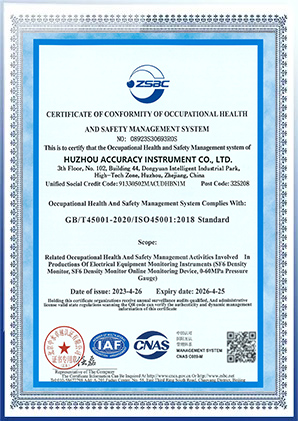
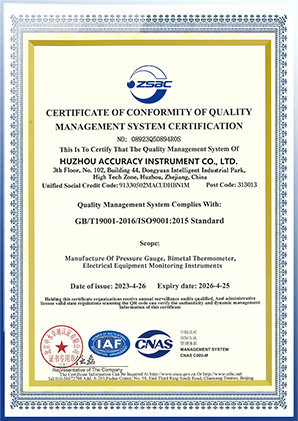
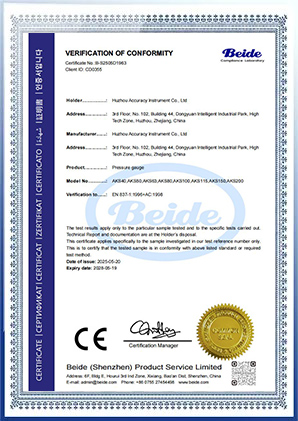
Procurement intent for oil pressure instruments varies widely across industrial sectors. Sourcing managers, system integration engineers, and plant maintenance leaders require targeted solutions built for specific operational stresses:
Challenge: Severe mechanical shock, rapid pressure spikes (pulsation up to 600 Bar), and external climate exposure.
Engineering Solution: Fully stainless steel (AISI 304/316) gauges with liquid filling (glycerin/silicone), internal restrictor screws, and heavy-duty Bourdon tube welding.
Challenge: Ultra-high pressure requirements (up to 160 PSI / 1000+ Bar), rapid fuel/oil thermal cycling.
Engineering Solution: Solid-front phenolic or stainless steel cases with baffle walls and blow-out backs, certified high-burst threshold sensors with ±0.25% accuracy limits.
Challenge: SF6 gas density monitoring requires temperature-compensated pressure measurement to prevent dielectric insulation breakdown.
Engineering Solution: Integrated bimetallic temperature compensation mechanisms within sealed gas density monitors, featuring IP67 ingress protection.
Challenge: Oxygen and fuel gas lines demand 100% oil-free, degreased media chambers to prevent spontaneous combustion or media contamination.
Engineering Solution: Solvent-cleaned brass and 316L SS wet parts, packaged in vacuum-sealed cleanroom conditions marked with "USE NO OIL" warnings.
The industrial measurement landscape is undergoing a digital transformation. As an innovation-driven manufacturer, Huzhou Accuracy Instrument Co., Ltd. continuously invests in modern pressure sensing technologies:
Implementation of low-power Bluetooth (BLE), LoRaWAN, and RS485 Modbus RTU digital outputs into standard mechanical gauge housings for wireless condition monitoring.
Transitioning to piezoresistive ceramic (Al₂O₃ 99.6%) diaphragms offering absolute chemical inertness, high burst pressure ratios (300%), and zero thermal drift.
Integrating edge-AI microcontrollers to analyze pressure pulsation micro-vibrations, enabling predictive detection of oil pump wear prior to system failure.
100% recyclable stainless steel alloys, lead-free brass formulations compliant with REACH and global zero-landfill directives.
Navigating international supply chains requires a supplier with comprehensive localization capabilities and OEM flexibility. Huzhou Accuracy Instrument supports global procurement officers through tailored specifications:
Full compliance with global thread configurations including NPT (ANSI/ASME B1.20.1) for North America, G / BSPP (ISO 228-1) and BSPT for European/UK machinery, and Metric (M20x1.5, M14x1.5) for Asian industrial plant specs.
Custom dual and triple dial scales (PSI, Bar, kPa, MPa, Kg/cm²). Direct OEM private labeling, color-coded pressure safety zones (Green/Yellow/Red), and buyer-specified corporate logo printing.
Every production batch undergoes automated optical inspection (AOI), deadweight tester calibration against ISO/IEC 17025 standards, drop testing, and vacuum-sealed anti-corrosion poly-packaging.
Find authoritative engineering answers to common procurement and operational inquiries regarding CE-certified oil pressure gauges and transmitters.
A mechanical oil pressure gauge utilizes direct fluid connection to a Bourdon tube or diaphragm, moving a physical needle across a graduated dial face without requiring external power. An oil pressure transmitter converts fluid pressure into an electronic signal (such as 4-20mA, 0-5V, or RS485 Modbus) suitable for telemetry, remote monitoring, and automated PLC control.
CE certification verifies that the pressure instrument meets rigorous European Union safety, health, and environmental protection directives—specifically the Pressure Equipment Directive (PED 2014/68/EU) and Electromagnetic Compatibility (EMC 2014/30/EU). It guarantees that the gauge will not burst under overpressure conditions or fail due to electrical interference, minimizing liability for OEMs and importers.
Liquid-filled (glycerin or silicone) gauges should be specified in environments with heavy mechanical vibration, hydraulic pulsation, or extreme ambient humidity. The liquid fill dampens pointer oscillation, lubricates internal movement gears, and prevents internal lens fogging. Dry gauges are suitable for stationary, low-vibration, indoor applications.
Standard engineering practice dictates that normal operating pressure should fall within the middle 50% of the gauge’s scale (between 25% and 75% of full-scale value). For instance, if your engine operates at a steady 4 Bar (60 PSI), select a gauge with a maximum range of 0-8 Bar or 0-10 Bar (0-100 or 0-160 PSI) to handle cold-start pressure surges.
For standard mineral lubricants, brass internal components and connections are sufficient. However, for synthetic oils, aggressive chemicals, or sour gas environments (H2S), specify 316L Stainless Steel wetted parts, Monel, or install a chemical diaphragm seal with PTFE lining to protect the sensing element.
Our laboratory operates under ISO 9001 quality management and aligns calibration procedures with ISO/IEC 17025 and EN 837-1 standards. All instruments are standard-calibrated to accuracy classes ranging from Class 2.5%, Class 1.6%, up to high-precision Class 0.5% full-scale accuracy.
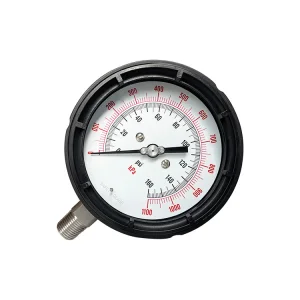
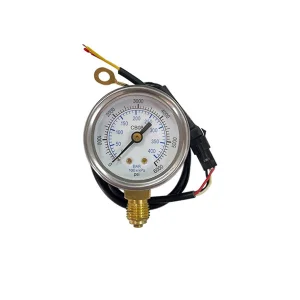
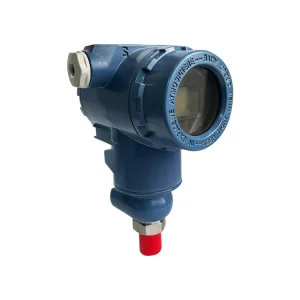
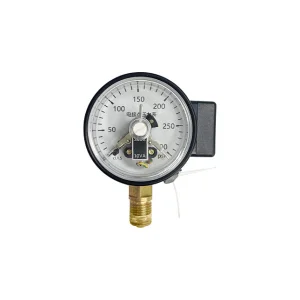
Explore additional specialized pressure and temperature monitoring instruments engineered for auto CNG systems, electric contact control, low-pressure applications, and high-accuracy industrial transmitters.
 Accuracy Instrument