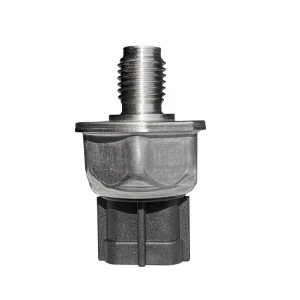
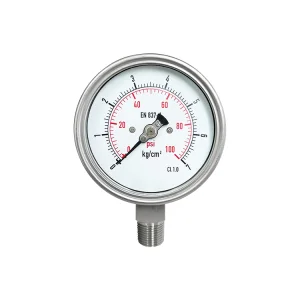
 Accuracy Instrument
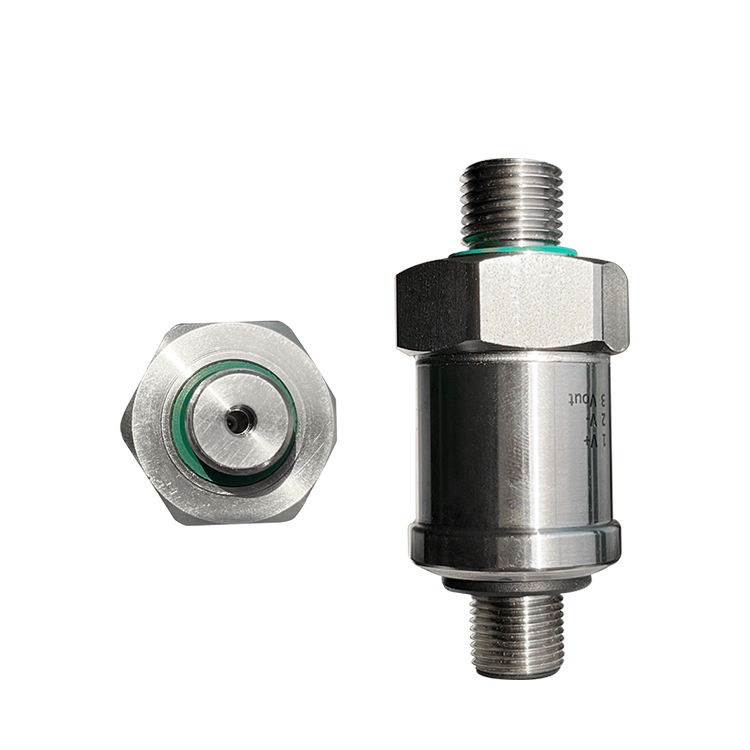
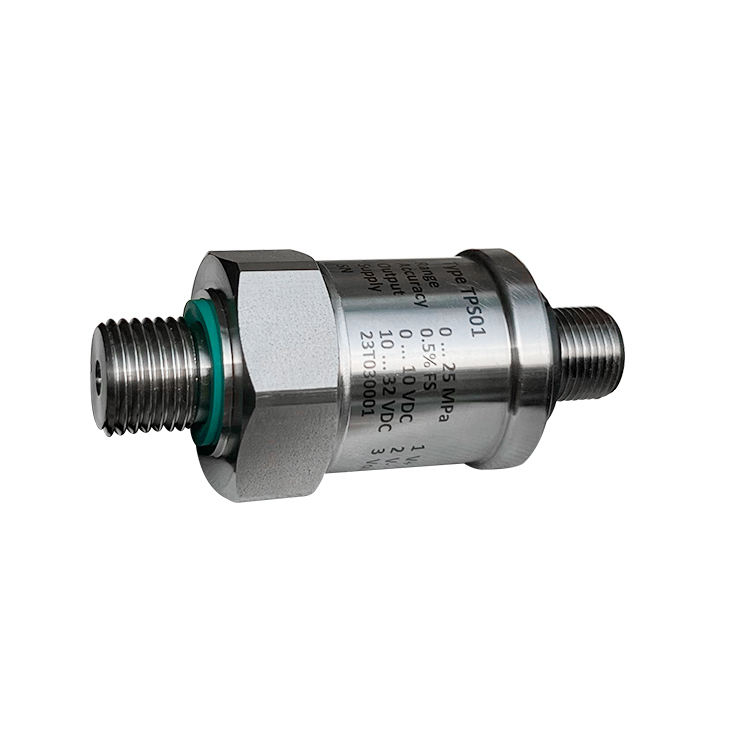
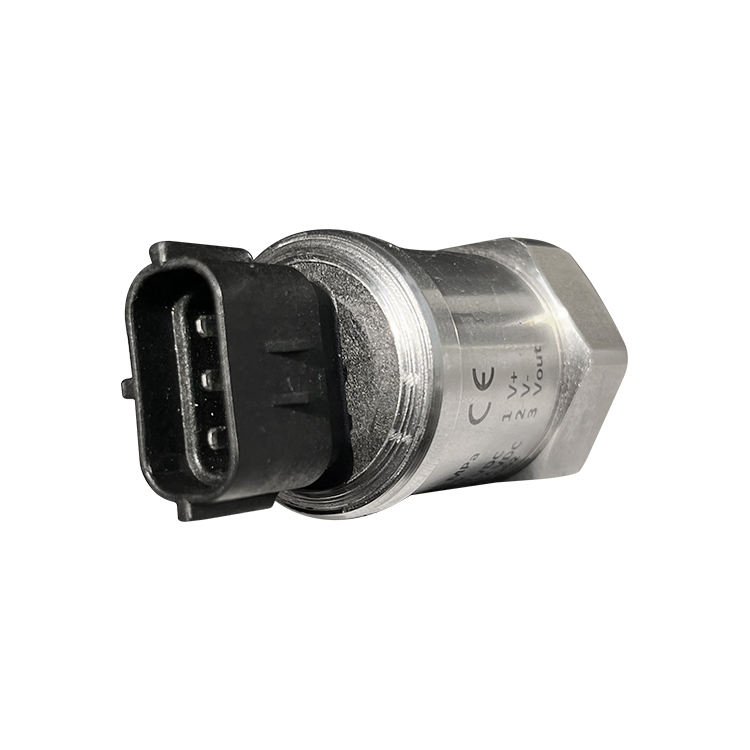
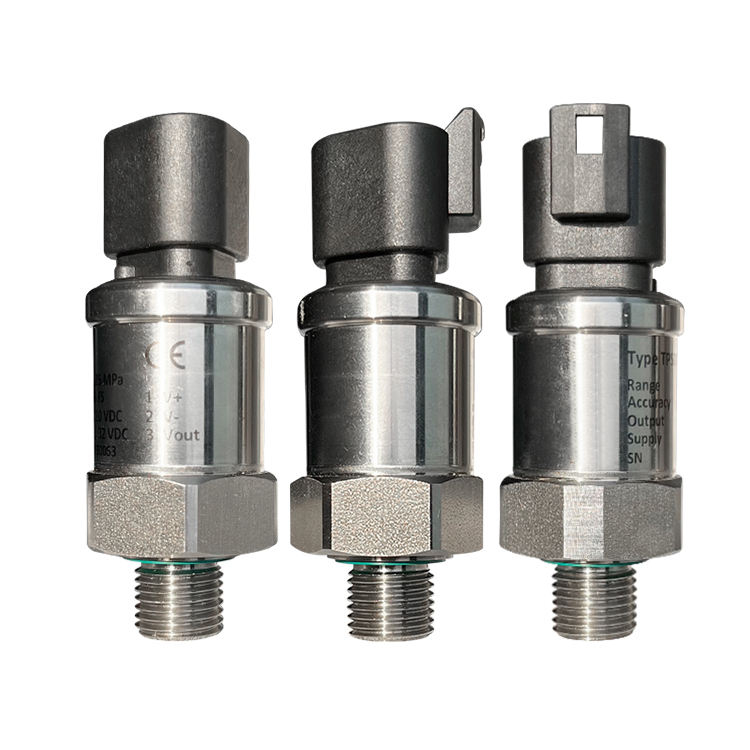
1 / 4
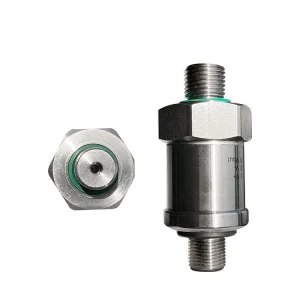
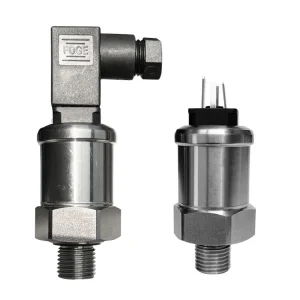
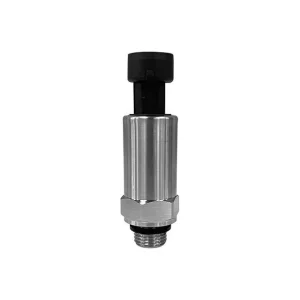
| Measurement Type | Gauge / Absolute / Sealed Reference |
| Pressure Range | 0.5 MPa to 250 MPa |
| Output Signal | 4~20mA, 0.5~4.5VDC, 0~5VDC, 0~10VDC |
| Supply Voltage | 9~30VDC (4~20mA, 0~5VDC), 5VDC (0.5~4.5VDC), 15~30VDC (0~10VDC) |
| Accuracy | ±0.25%, ±0.5% FS, ±1% FS (customizable) |
| Temperature Range | Operating: -40°C to +85°C; Storage: -40°C to +125°C |
| Load Capacity | Up to 150% of full scale without damage |
| Electrical Connection | M12×1.5, DIN connector, direct lead wire, hermetically sealed |
| Process Connection | M20×1.5, G1/4, G1/2, NPT1/2 (customizable) |
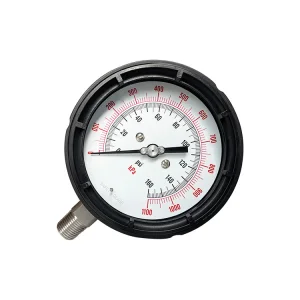
| Display Option | 4-digit LED or 5-digit LCD (optional) |
| Protection Rating | IP67 |
Monitoring cabin pressure or fuel system pressures precisely under extreme conditions.
Used in medical devices like blood pressure monitors or implantable sensors.
Measuring tire pressure, oil pressure, or engine component stresses effectively.
Monitoring pressure stability in hydraulic systems or industrial process lines.
Integrated into wearable devices or smart gadgets to monitor environmental parameters.
Equipped with force recognition to prevent accidental operation and record pressure occurrences.
The sensor supports a wide pressure range from 0.5 MPa up to 250 MPa, suitable for various low to high-pressure industrial applications.
It offers multiple output signal options including 4–20mA (2-wire), 0.5–4.5VDC, 0–5VDC, 0–10VDC, and RS485 digital communications.
Yes, with an IP67 protection rating, an all-stainless steel welded structure, and an operating temperature range of -40°C to +85°C, it is designed for demanding outdoor and industrial conditions.
The sensor features a fast response speed of ≤1ms, making it ideal for real-time monitoring and dynamic pressure system controls.
Absolutely. The sensor is fully compatible with standard SCADA, DCS, PLCs, and various smart instrumentation systems.
It should be mounted vertically to prevent stress errors, protected from direct sunlight/rain outdoors, and connected with surge protection in lightning-prone areas.