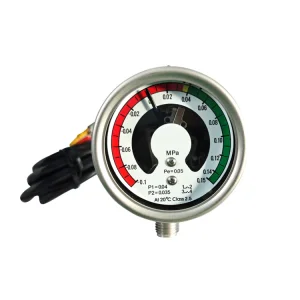
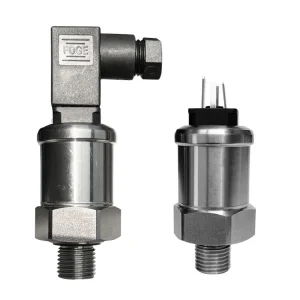
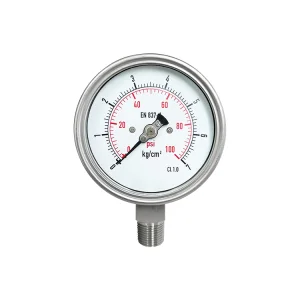
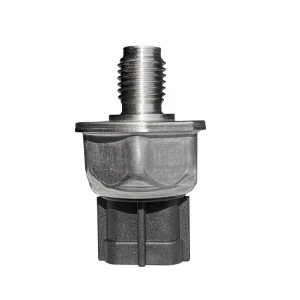
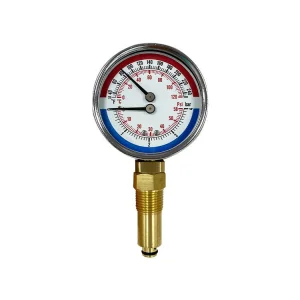
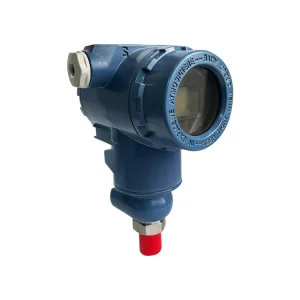
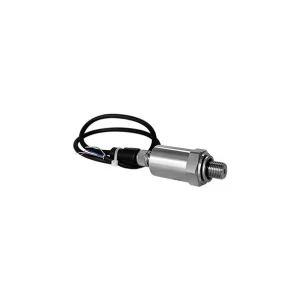
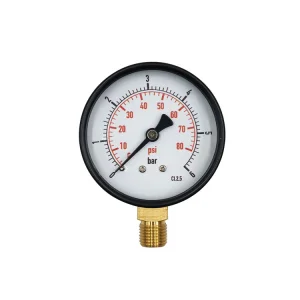
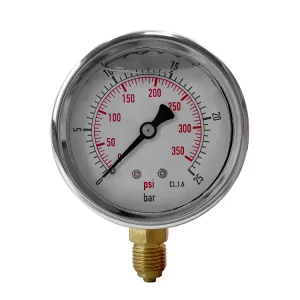
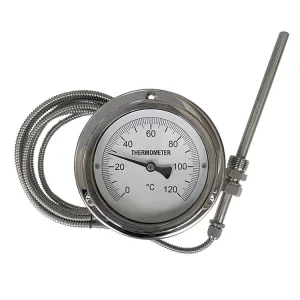
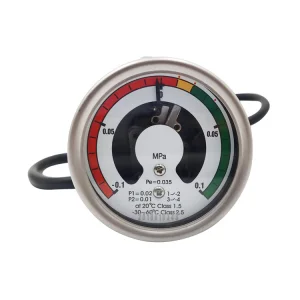
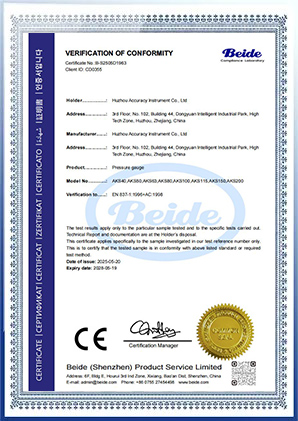
Explore our primary CE-certified pressure instruments engineered for extreme pressure, vacuum, and differential media control.
A pressure gauge is a specialized fluid intensity indicator designed to measure and monitor the mechanical force exerted by a gas, liquid, steam, or vacuum system per unit area against a sealed boundary. Operating as a pivotal safety mechanism and process optimization instrument, pressure gauges convert mechanical deformation or piezoresistive stress into standardized visual dial readings or electrical digital signals.
In modern industrial architecture, pressure gauges serve as the primary line of defense against catastrophic overpressure events, vacuum collapses, and fluid leakage. They are vital components in energy transmission, hydraulic power units, pharmaceutical reactors, and HVAC installations.
The fundamental sensing mechanisms fall into distinct mechanical and electronic classifications:
In European and international markets, a pressure gauge is not merely a measurement tool—it is a regulated safety component. The CE Certification (Conformité Européenne) signifies that a pressure gauge manufacturer strictly aligns with essential health, safety, and environmental protection standards established by the European Union.
Applicable EU Directives Include:
• PED (2014/68/EU): Pressure Equipment Directive regulating design, testing, and burst safety margins.
• ATEX (2014/34/EU): Equipment for Potentially Explosive Atmospheres.
• EMC (2014/30/EU): Electromagnetic Compatibility for electronic transmitters (e.g., 3051 series).
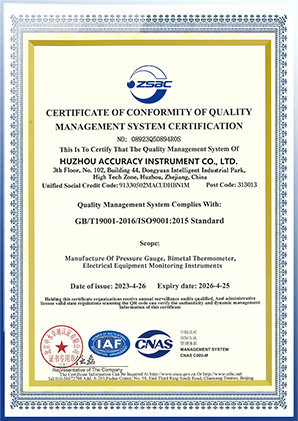
Combining 20 years of continuous research, ISO9001:2008 quality control, and zero-leak manufacturing practices to serve world-class industrial OEMs.
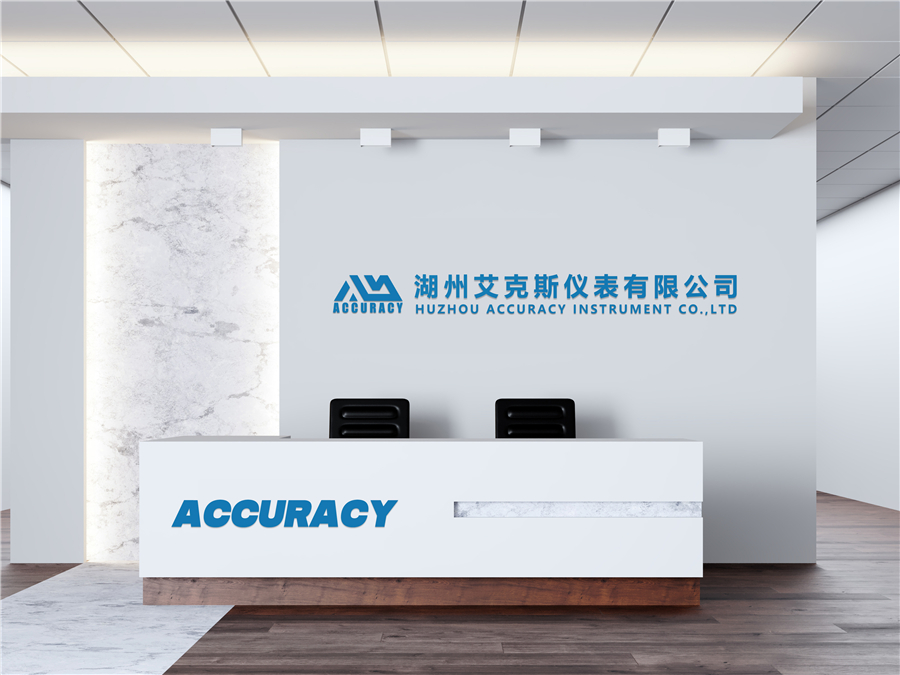
Huzhou Accuracy Instrument CO LTD is professionally engaged in the development, sales, and service of industrial mechanical pressure gauges, bi-metal thermometers, SF6 manometers, and advanced pressure sensors. Products are widely used in critical global applications such as Mechanical Engineering, Chemical Engineering, Food Industry, Pharmaceutical processing, and high-technology electric appliances.
Established over two decades ago, our pressure gauge manufacturing facility spans 3,000 square meters, equipped with automated production lines, laser welding cells, and rigorous cleanroom calibration setups. As an industry leader, we integrate mechanical precision engineering with IoT digital transformation to deliver dependable measurement solutions for clients in over 30 countries.
Selecting the correct pressure gauge configuration requires aligning media compatibility, environmental dynamics, pulsation profiles, and CE/PED compliance levels.
SF6 gas density monitors require extreme hermetic sealing and temperature compensation mechanisms. Our 63mm SF6 monitors feature micro-switches and gas-leak prevention systems calibrated for high-voltage substations.
Hydraulic systems undergo violent pressure spikes and severe mechanical vibration. Utilizing liquid-filled cases (Glycerin or Silicone Oil) and thin-film piezoresistive transducers ensures pointer damping and zero signal flutter.
For corrosive chemical lines, 316L stainless steel Bourdon tubes, ceramic sensor diaphragms, and laser-welded panel-mount diaphragm seals isolate internal mechanisms from toxic or crystallization-prone media.
Use the technical matrix below to cross-reference procurement specs with equipment operating environments:
| Industry Sector | Sensing Element | Wetted Material | Pressure Range | Accuracy Class | CE Directive Compliance |
|---|---|---|---|---|---|
| Electrical Power Transmission | SF6 Bellows / Density System | 316L Stainless Steel | -0.1 to 0.1 MPa / 0-0.9 MPa | Class 1.0 / Class 1.6 | PED 2014/68/EU, CE Mark |
| Heavy Hydraulics & Mining | AKS Thin Film / Bourdon | Microfused SS / Brass | 0 to 600 Bar (10,000 PSI) | Class 0.5 / Class 1.0 | EMC 2014/30/EU, CE Mark |
| Chemical Processing | Laser Welded Diaphragm Seal | Hastelloy C / 316L SS | -1 to 40 Bar | Class 1.0 | PED Annex III Module B+D, ATEX |
| Pharma & Sanitary Food | Flush Ceramic / Sanitary Seal | 316L SS Polished (Ra < 0.4µm) | 0 to 16 Bar | Class 0.5 | CE Mark, FDA Materials Standard |
| General Pneumatics & HVAC | Black Steel / Brass Bourdon | Copper Alloy / Steel | 0 to 100 PSI / 0-1.6 MPa | Class 1.6 / Class 2.5 | EN 837-1 Standard, CE Mark |
Our lab conducts 100% pressure cycle testing, helium leak mass spectrometry, and thermal shock testing under ISO 9001 and ISO 17025 framework.
Diaphragm seals and Bourdon joints undergo robotic fiber laser welding, eliminating micro-porosity and ensuring joint integrity capable of enduring 150% overpressure conditions without permanent deformation.
Rather than using pre-printed static dials, high-precision optical cameras scan individual Bourdon deflection curves and custom laser-print pointer scales for exact non-linear calibration accuracy down to ±0.5%.
Critical instruments such as SF6 gas density monitors are subjected to vacuum chamber helium detection, verifying a ultra-low leakage rate lower than 1×10⁻⁹ mbar·l/s to support zero-emission switchgear standards.
Bridging the gap between traditional mechanical manometers and next-generation smart IoT pressure transmitters for digital twin infrastructure.
Integration of microfused piezoresistive glass sensors with low-power wireless modules (LoRaWAN, NB-IoT, WirelessHART). Mechanical gauges are evolving into dual-output hybrid instruments that display localized mechanical dials while broadcasting real-time pressure diagnostics to SCADA networks.
As the global electrical sector transitions from SF6 to alternative eco-friendly gases (such as N2/CO2 mixtures and C4-FN gas blends), our R&D unit is engineering specialized multi-gas density monitors with revised temperature compensation curves to ensure seamless grid decarbonization.
Expanding metallurgy options to include Inconel 718, Monel 400, and NACE MR0175 compliant alloys. These material enhancements ensure zero hydrogen embrittlement and resistance to hydrogen sulfide (H2S) stress corrosion cracking in deep-sea oil extraction.
We streamline global procurement with complete technical documentation, custom dial artwork, regulatory certificates, and rapid warranty replacement policies.
All CE-certified pressure gauges, transmitters, and bi-metal thermometers come backed by our mandatory one-year factory replacement warranty. Each batch includes material test reports according to EN 10204 3.1.
We offer full customization for international brands, including customized dial scale printing (PSI, Bar, kPa, MPa, Kg/cm²), client brand logo integration, dynamic color-coded pressure zones, and tailored thread sizes (NPT, BSP, BSPT, Metric).
Instruments are packaged in shock-absorbing molded foam trays and moisture-sealed inner cartons to prevent transport calibration drift. We support express air freight, sea container shipments, and DDP/FOB door-to-door delivery.
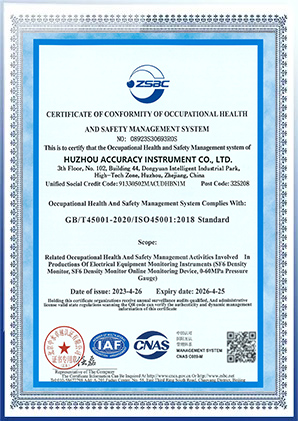
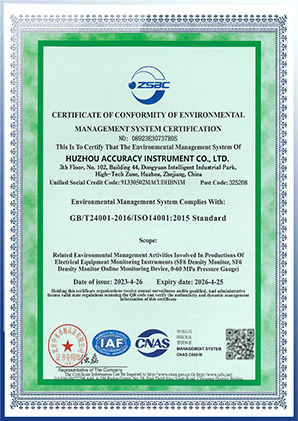
We have long followed the concept of "reasonable price, accurate delivery, good quality" and several business management models to keep our production quality above the required benchmark under ISO9001:2008 certified.
In-depth responses to critical questions regarding CE certification, pressure gauge selection, maintenance, and ordering.
CE Certification indicates that the pressure gauge manufacturer complies with relevant European Directives, primarily the Pressure Equipment Directive (PED 2014/68/EU) and, where applicable, the Electromagnetic Compatibility Directive (EMC 2014/30/EU) or ATEX Directive (2014/34/EU). For mechanical and electronic gauges, CE marking verifies structural integrity, burst pressure safety ratios (typically 1.3x to 4x working pressure), precise calibration standards (EN 837), and strict factory production quality controls under ISO 9001.
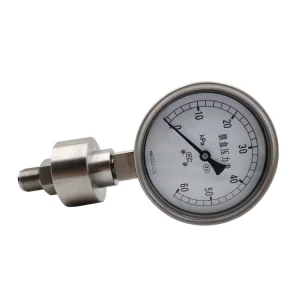
Bourdon tube gauges are optimal for clean, non-viscous liquids and gases at medium to extremely high pressures (up to 1,000 bar). Diaphragm pressure gauges are recommended for low-pressure gas applications (mbar range), highly viscous fluids, crystallizing media, or aggressive chemicals, as the diaphragm element isolates the internal movement mechanism from direct contact with the process fluid.
Liquid filing (typically 99.5% vegetable glycerin or silicone oil) performs two critical functions:
1. Vibration & Pulsation Damping: It stabilizes the internal pointer movement in high-vibration equipment such as hydraulic pumps, engine test benches, and compressors, making reading effortless.
2. Internal Lubrication & Condensation Prevention: Liquid filling lubricates internal movement gears to prevent premature mechanical wear while preventing ambient moisture condensation on the inside of the dial window.
Sulfur Hexafluoride (SF6) gas is used as an insulating medium in high-voltage circuit breakers and gas-insulated switchgear (GIS). Because gas pressure changes with ambient temperature according to Ideal Gas Laws, a standard pressure gauge cannot determine if pressure drop is caused by temperature cooling or a gas leak. An SF6 Gas Density Monitor incorporates a bimetallic temperature compensation link or sealed reference chamber that automatically adjusts the dial display, indicating absolute gas density rather than simple static pressure.
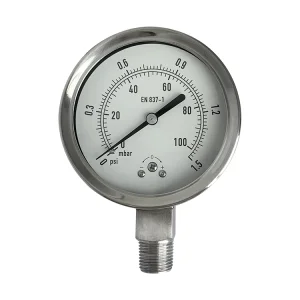
According to European Standard EN 837-1, pressure gauges are categorized into accuracy classes representing maximum permissible error as a percentage of total scale span:
• Class 0.25 / Class 0.5: High-precision master test gauges used in laboratories and calibration benches.
• Class 1.0: Industrial process gauges used in chemical plants, oil refineries, and power generation.
• Class 1.6: General industrial gauges used in hydraulic systems, pumps, and boilers.
• Class 2.5: Commercial utility gauges used in HVAC, basic air compressors, and pneumatic lines.
As a direct factory manufacturer, Huzhou Accuracy Instrument provides full OEM/ODM manufacturing. Custom options include private-label artwork, customized dial scales (dual PSI/Bar, dual Temp/Pressure scales), specialized mounting configurations (bottom mount, back mount, front flange panel mount), thread types (1/8", 1/4", 1/2" in NPT, BSP, G, or Metric), custom wetted materials (Monel, 316L SS, Brass), and specialized internal liquid fills (Fluorolube, Silicone, Glycerin).
Standard industrial practice recommends annual calibration (once every 12 months) for critical process lines. In high-vibration, corrosive, or high-cycle thermal environments, calibration intervals should be shortened to 3 or 6 months to maintain compliance with ISO 9001 and plant safety standards.
Browse additional specialized measurement solutions engineered for high accuracy, low pressure, and remote temperature monitoring.
 Accuracy Instrument