Explore our top-tier precision instruments, engineered to international standards (CE, ISO, API) for rigorous industrial monitoring.
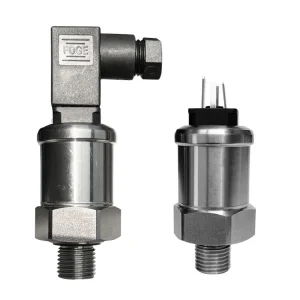
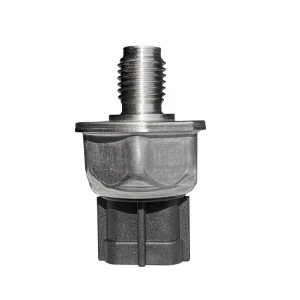
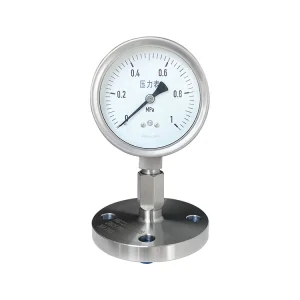
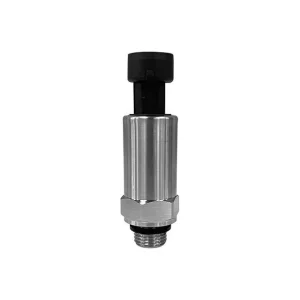
Analyzing the mechanics, structural architecture, and procurement dynamics of modern dual-function pressure-temperature instruments manufactured in China's advanced instrumentation clusters.
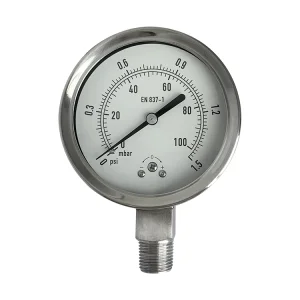
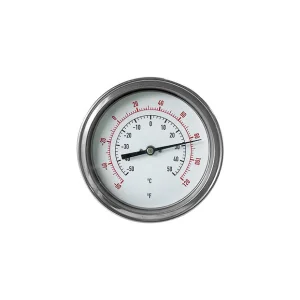
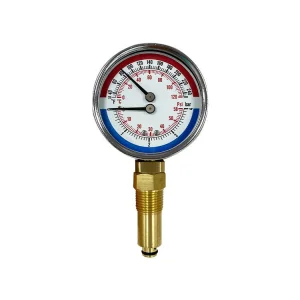
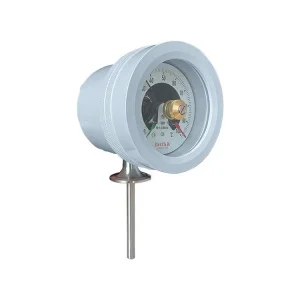
A Combination Pressure-Temperature Gauge (commonly referred to in hydronic and thermal plant engineering as a thermo-manometer or tridicator) is a hybrid instrumentation device that measures both fluid pressure (bar/psi) and thermal kinetics (°C/°F) through a single process connection tapping point. By housing a C-type Bourdon tube (or piezoresistive element) alongside a bi-metallic helical coil or gas-actuated thermal sensing bulb within a single housing, these instruments reduce structural stress, eliminate potential leak paths in pressurized piping loops, and lower installation overhead by 50%.
Traditional legacy infrastructure relied on separate thermowells and pressure taps. Modern industrial frameworks—engineered under ASME B40.100 and EN 837-1 guidelines—integrate dual-scale dials with dual-pointer mechanisms, or leverage solid-state glass microfused piezoresistive sensors paired with RTD (Pt100) elements. China's manufacturing ecosystem has pioneered high-density integrated assemblies that prevent hysteresis, withstand high cyclic fatigue, and maintain ±1.0% to ±0.5% Full Scale (FS) accuracy under severe hydrodynamic vibration.
In closed-loop thermal transfer applications (such as commercial boilers, heat exchangers, and refrigeration loops), fluid pressure and temperature are thermodynamically coupled via the Antoine and Clausius-Clapeyron equations. A single composite measurement point provides immediate, synchronized data to plant control systems, preventing localized cavitation, thermal shock, and pressure boundary degradation.
How vertical supply chain integration, automated calibration technology, and raw material metallurgy provide global OEM buyers with unprecedented value and quality.
Leading factories in Huzhou and surrounding industrial corridors maintain complete control over raw material refining, from SS316L capillary tube drawing to precision CNC machining of brass C3604 stems. This reduces raw material lead times and ensures batch-to-batch chemical integrity resistant to sulfide stress cracking (NACE MR0175).
Replacing traditional silver brazing, Chinese Tier-1 facilities utilize robotic fiber-laser welding systems for joining Bourdon tubes, stems, and diaphragms. This guarantees zero-leak hermetic seals capable of surviving over 1,000,000 pressure shock cycles without zero-point drift.
By deploying vision-guided robotic testing rigs and high-precision Dead Weight Testers (DWT), factories calibrate both pressure deflection and bimetallic thermal rotation simultaneously. Dials are custom-printed to match specific non-linear movement characteristics for exact class accuracy.
With annual production volumes exceeding 2 million units, Chinese manufacturers deliver 40% to 60% total cost of ownership (TCO) savings compared to Western counterparts, while strictly adhering to ISO 9001:2015 quality control benchmarks.
| Component Part | Standard Material (HVAC/General) | Premium Material (Corrosive/Marine) | Operational Benefit |
|---|---|---|---|
| Wetted Stem & Connection | HPb59-1 Brass / C3604 | AISI 316L Stainless Steel / Hastelloy C276 | Prevents pitting corrosion in marine and high-chloride process media. |
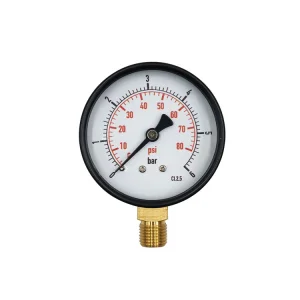
| Pressure Sensing Element | Phosphor Bronze C5191 | 316L Seamless Drawn Bourdon Tube | Maintains elastic memory and reduces hysteresis over high-pressure cycles. |
| Thermal Sensing Coil | Bimetal strip (Ni22Cr3 / Ni36) | Laser-treated rapid response Helix Bimetal | Delivers high thermal sensitivity with fast response times (<15 seconds). |
| Case / Housing | Black Steel (Powder Coated) | AISI 304 Stainless Steel (IP65 / IP67) | Resists atmospheric degradation, washdowns, and chemical splash. |
| Window / Lens | Instrument-grade Glass | Laminated Safety Glass / Polycarbonate | Shatterproof protection under high overpressure blowout conditions. |
From purely mechanical pointers to digital IIoT telemetry and green power grid monitoring—the technological roadmap for 2025 and beyond.
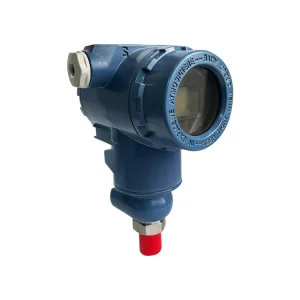
Modern dual-sensing transductive devices replace traditional organic adhesive strain gauges with high-temperature glass microfused technology. Microfused silicon pressure sensors eliminate creep and degradation at temperatures up to 150°C, providing hybrid 4-20mA or RS485 Modbus outputs alongside physical mechanical dials.
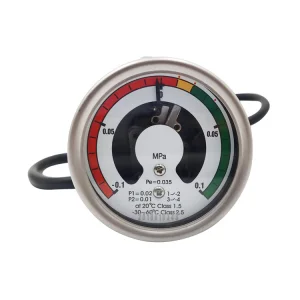
In high-voltage electrical switchgear, pressure fluctuates drastically with ambient temperature changes. Advanced combination gas density monitors automatically compensate for ambient thermal drift using bimetallic compensation links, ensuring accurate leak detection for SF6 gas insulation loops.
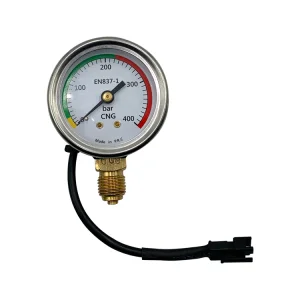
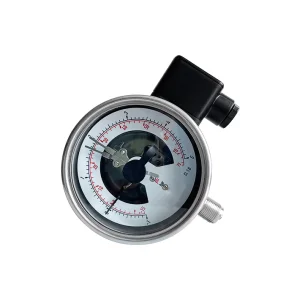
With global environmental regulations restricting high-GWP refrigerants, combination gauges are engineered to withstand natural refrigerants like R290 (Propane), R717 (Ammonia), and high-pressure CNG/Hydrogen vehicle fuel lines up to 250 Bar with explosion-proof electric contact configurations.
How combination thermo-manometers protect infrastructure, ensure process safety, and optimize operating efficiency across severe industrial environments.
Installed directly on hot water boilers, hydronic radiant heating manifolds, and district thermal loops. The combination gauge allows maintenance staff to verify static system head pressure (psi/kPa) and fluid operating temperature (°C) in a single visual check, preventing water flashing, boiler dry-firing, and pump cavitation.
Engineered specifically for Compressed Natural Gas (CNG) auto conversion kits and fuel dispensers. Resistive output gauges (5V/12V) combine mechanical needle readouts for drivers with electrical resistive signals to the engine control unit (ECU) for real-time fuel management and leak safety shutdown.
Utilizing flanged chemical diaphragms (316L, PTFE coatings), these combined instruments monitor highly aggressive, viscous, or crystallizing media. Ideal for continuous monitoring in petrochemical refiners, pharmaceutical batch reactors, and food-grade sanitary washdown lines.
Monitors sulfur hexafluoride (SF6) gas density in high-voltage circuit breakers and transformers. Bimetallic temperature compensation mechanisms continuously calculate gas density independent of solar ambient thermal expansion, triggering microswitches for automated alarm activation.
A standard operating procedure (SOP) for EPC contractors, OEM buyers, and procurement heads evaluating Chinese pressure gauge manufacturers.
Verify if the factory calibration laboratory is ISO 17025 accredited and traceable to NIM (National Institute of Metrology) or NIST standards. Request calibration uncertainty curves for dual-scale units.
Ensure the gauge dynamic burst pressure ratio is at least 4:1 (400% of maximum working pressure range) to safeguard plant personnel against catastrophic pressure spikes.
Confirm liquid-fill options (Glycerine 99.5% or Silicone oil) for high vibration environments. Inquire about thermal shock chamber testing from -40°C to +120°C.
For gas density monitors and electric contact gauges, mandate 100% helium leak testing with leak rates guaranteed under <10⁻⁹ mbar·l/s.
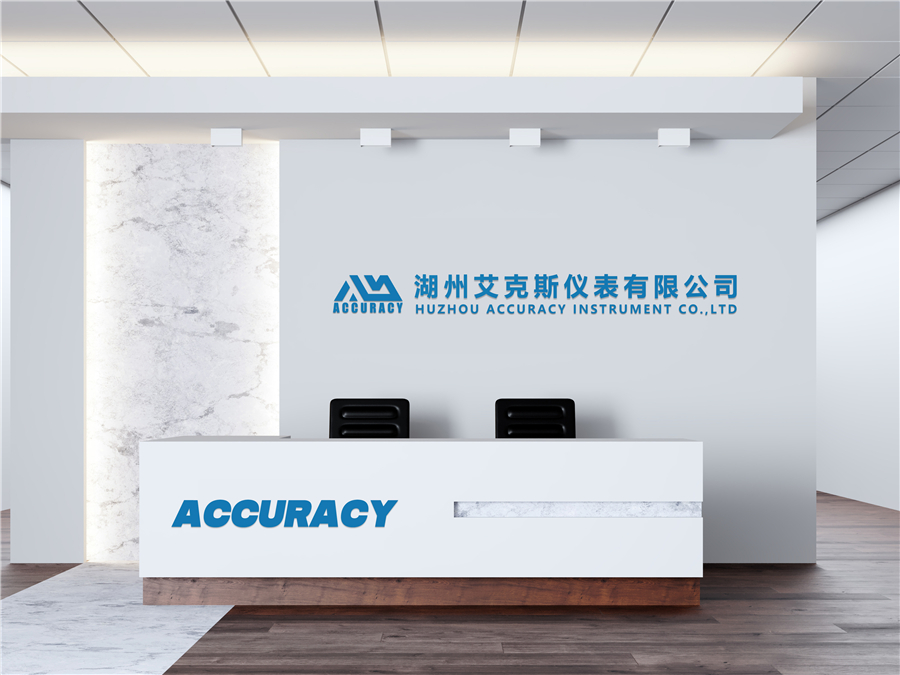
Over 20 Years of Engineering Innovation & Precision Metrology
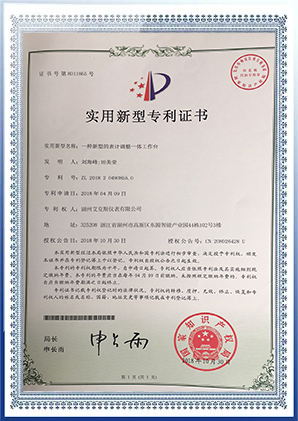
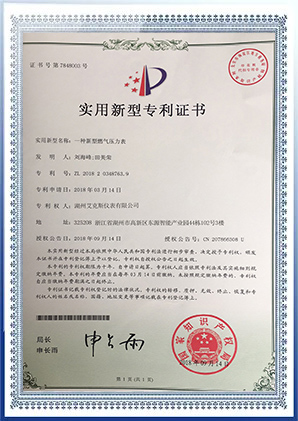
Huzhou Accuracy Instrument Co., Ltd. is professionally engaged in the development, custom manufacturing, and global service of industrial mechanical pressure gauges, bi-metal thermometers, SF6 gas density monitors, and solid-state pressure sensors. Spanning a state-of-the-art 3,000 square meter manufacturing plant, our facility combines automated robotic welding with stringent optical calibration.
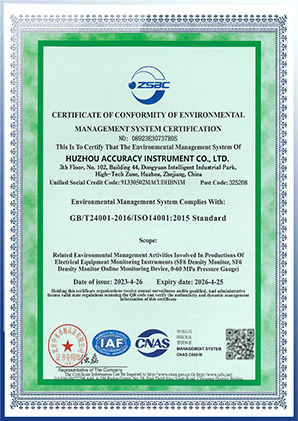
Operating under ISO 9001:2008 standards, our laboratory conducts 100% pressure cycle testing, thermal soak testing, and zero-leak inspection guaranteeing CE and SGS compliance.
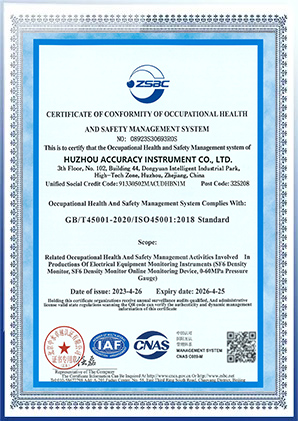
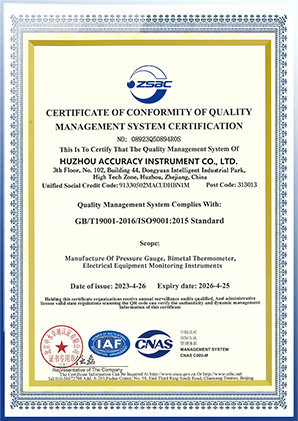
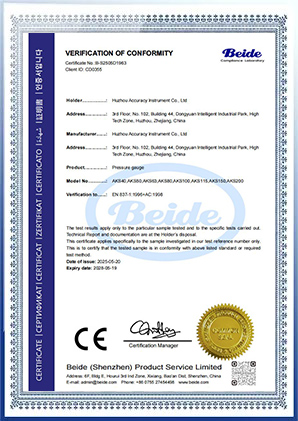
Direct answers from our senior metrology engineers regarding installation, stem immersion length, thermal compensation, and ordering specifications.
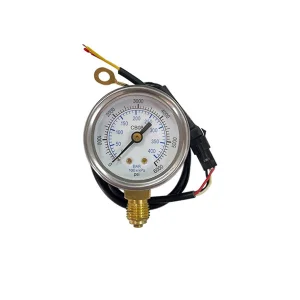
Explore our secondary line of specialized measurement instruments including compound thermo-manometers, SF6 density switches, and explosion-proof control units.
 Accuracy Instrument