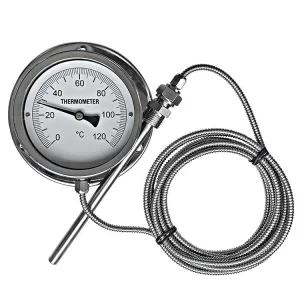
Explore our flagship lineup of OEM high-temperature pressure gauge dials, diaphragm seal gauges, ceramic transmitters, and remote reading bimetal thermometers engineered for extreme thermal environments.
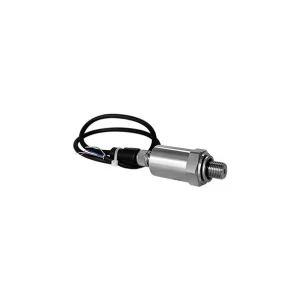
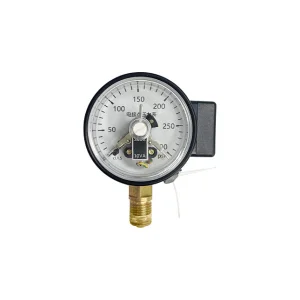
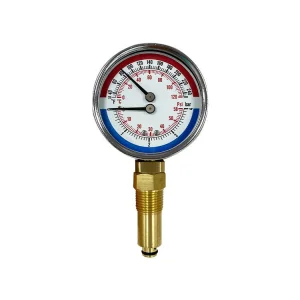
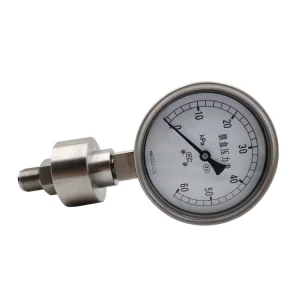
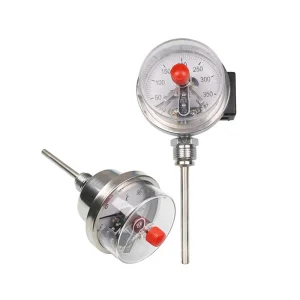
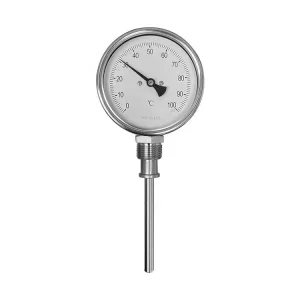
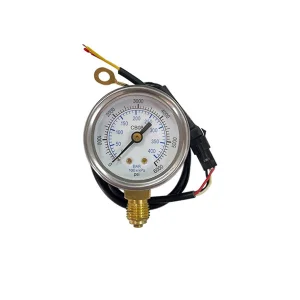
An in-depth analysis of material stability, thermal expansion coefficients, pad-printing vs. laser-etching techniques, and zero-drift dial design protocols for high-heat pressure monitoring systems.
In high-temperature pressure measurement systems (operating between 150°C and 600°C), traditional aluminum dial faces suffer from thermal warping, paint blistering, and zero-reference shift. Premium OEM dials utilize specialized anodized aluminum alloys (such as 3003-H14 or 5052-H32) combined with inorganic high-temperature cured coatings to guarantee volumetric dimensional stability and zero curvature deformation under severe thermal cycling.
Optical legibility is paramount for critical process safety. Standard organic inks yellow or burn off at elevated temperatures. OEM high-temperature gauge dials utilize silicone-based thermally cured inks or ceramic enamel pigments designed to withstand continuous exposure to 300°C steam, UV radiation, and aggressive chemical vapors without fading, flaking, or losing ASME B40.100 compliance standard contrast ratios.
When high-temperature media expands the internal Bourdon tube or movement assembly, the dial face must remain absolute as the reference baseline. By precision-stamping concentric mechanical anchoring slots and utilizing thermal-break isolation mounting pins, OEM high-temperature dials prevent thermal transfer from process connections into the visual dial display face.
| Dial Substrate Material | Max Continuous Temp | Thermal Expansion Coefficient (α) | Corrosion Resistance | Best Industrial Application |
|---|---|---|---|---|
| High-Grade Anodized Aluminum (3003-H14) | Up to 260°C (500°F) | 23.1 µm/m·K | High (Salt Spray Certified) | General Industrial Boilers, HVAC Steam Systems, Petrochemical Lines |
| 316L Stainless Steel Plate | Up to 550°C (1022°F) | 16.0 µm/m·K | Superior (Acid & Alkali Resistant) | Corrosive Chemical Processing, Refining Cracking Units, Offshore Oil & Gas |
| Vitreous Enamel Coated Steel | Up to 450°C (842°F) | 12.5 µm/m·K | Excellent (Non-porous Surface) | Sanitary Autoclaves, Pharmaceutical Cleanrooms, Food Thermal Processing |
| Ceramic Substrate Dial Face | Up to 800°C (1472°F) | 4.5 µm/m·K | Extreme Chemical Inertness | Aerospace Engine Testing, Power Generation Supercritical Steam Lines |
From thermal power stations in Northern Europe to petrochemical cracking facilities in the Middle East, our high-temperature pressure gauge components ensure uncompromised system visibility and operational safety.
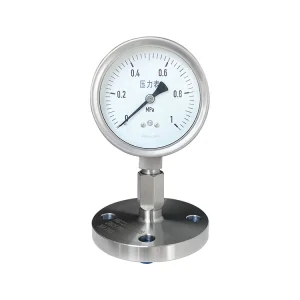
Installed in high-temperature hydrocracking units and thermal catalytic cracking towers where process media temperatures exceed 400°C. Siphon-buffered laser-welded diaphragm gauges paired with thermally-stable dial faces prevent reading degradation.
Supercritical steam boilers generate immense heat and vibration. High-temperature dials with anti-vibration liquid filling (high-viscosity silicone fluid certified for 250°C+) maintain razor-sharp pointer visibility without clouding dial glass.
Steam Sterilization-in-Place (SIP) and Clean-in-Place (CIP) regimes subject pressure gauges to rapid thermal shock cycles (ambient to 135°C+ in seconds). Specialized enamel dial faces resist micro-cracking and moisture ingress.
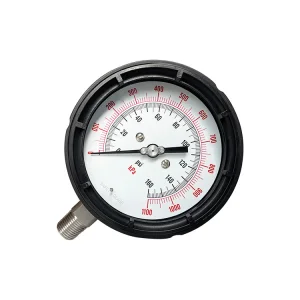
Heavy foundry and steel mill hydraulics require robust mechanical contact gauges. Custom dual-scale dial faces (PSI/MPa) with high thermal resistance ensure real-time pressure tracking under extreme radiant heat exposure.
Combining advanced automated precision printing, rigid ISO quality controls, and unmatched scale economies to deliver world-class pressure measurement components globally.
Our facility utilizes high-speed automated pad printing and digital laser-marking equipment capable of printing multi-color, ultra-fine scaling (down to 0.1mm line width) with ±0.05mm alignment precision across thousands of dial batch runs.
From single-scale to dual/triple-scale designs, brand logos, color-coded pressure zones, electrical contact indices, and specialized customer art files, our R&D engineering team converts CAD artwork to finished production prototypes within 72 hours.
By leveraging China’s mature industrial instrumentation cluster, centralized raw material procurement, and automated manufacturing pipelines, global OEMs achieve 30% to 45% cost savings without compromising international standards like EN 837-1 or ASME B40.100.
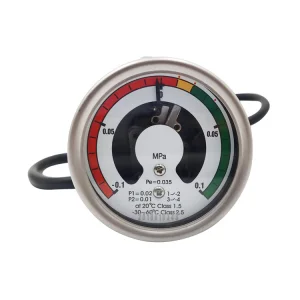
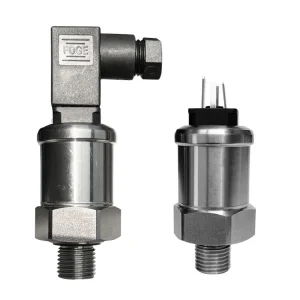
Huzhou Accuracy Instrument CO LTD is professionally engaged in the development, sales and service of industrial mechanical pressure gauges, bi-metal thermometers, SF6 manometer, pressure sensor. Products are widely used in various applications such as Mechanical Engineering, Chemical Engineering, Food Industry, Pharmaceutical, and high technology electric appliances.
Established over two decades ago, our pressure gauge manufacturing facility spans 3,000 square meters, equipped with advanced production lines and rigorous quality control systems. As an industry leader, we integrate innovation with precision engineering to deliver reliable measurement solutions for global clients.
Annual output exceeds 2 million units, covering industrial-grade gauges (e.g., stainless steel gauge, black steel gauge, shock-proof gauge, SF6 gauge, thermometer, pressure sensor) for oil/gas, HVAC, and pharmaceutical sectors.
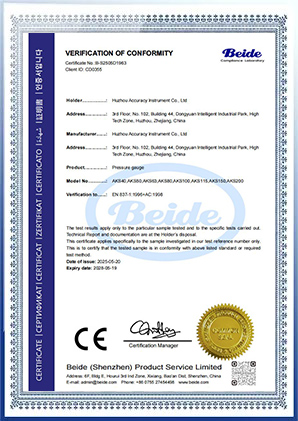
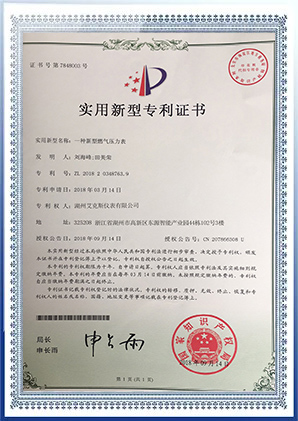
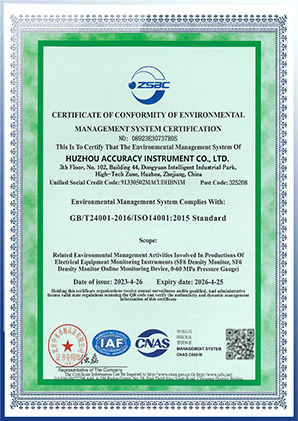
Products exported worldwide, with certifications including ISO, SGS, and CE, earning recognition for corrosion resistance and ±0.5% precision.
Our laboratory conducts 100% pressure cycle tests and environmental simulations, adhering to ISO 9001 and ISO 17025 standards. Continuous improvement drives our reputation for "zero-leak" performance in extreme conditions, supported by a comprehensive one-year warranty.
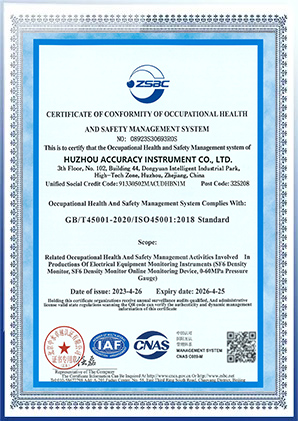
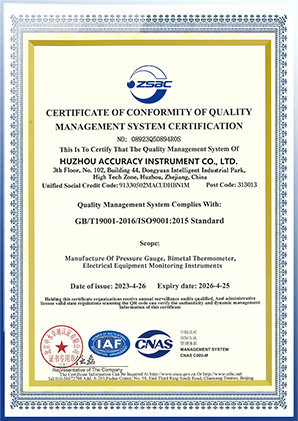
We have long followed the concept of "reasonable price, accurate delivery, good quality" and several business management models to keep our production quality above the required benchmark under ISO9001:2008 certified.
As industrial processes digitize and operate under increasingly severe environments, pressure gauge dial manufacturing is undergoing a technological revolution.
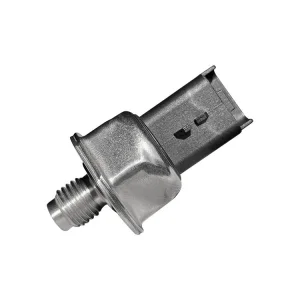
Modern IIoT (Industrial Internet of Things) demands both visual analog readouts for field engineers and digital wireless signal transmission for central Control Rooms. OEM high-temperature dials are now integrating micro-fused piezoresistive sensor ports directly behind the traditional aluminum dial face without increasing housing dimensions.
Direct contact with high-temperature fluids (steam, hot oil) degrades internal mechanical parts. Next-generation gauge builds utilize laser-welded capillary remote diaphragm seals combined with high-temperature thermal dissipation fins, allowing dial faces to operate comfortably at ambient temperatures while measuring media up to 600°C.
For unlit or dark industrial boiler rooms and power generation facilities, high-temperature photoluminescent inks are applied to dial markings and pointer tips. These coatings absorb low ambient light and glow brightly in dark power-outage scenarios without peeling under high thermal heat.
Key technical considerations when issuing RFP/RFQ engineering documents for custom OEM high-temperature pressure gauge dial manufacturing.
Specify standard nominal dial diameters according to EN 837-1 or ASME B40.100 rules: 40mm (1.5”), 50mm (2.0”), 63mm (2.5”), 100mm (4.0”), or 150mm (6.0”). Custom mounting stud holes, movement center clearances, and pointer stop-pin locations must be accurately mapped in 2D vector format (AI, DXF, or PDF).
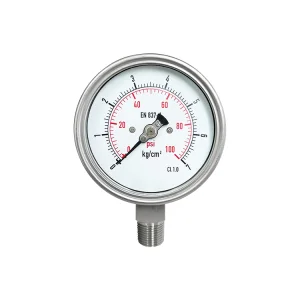
Global markets require distinct unit configurations: European regions specify Bar/kPa; North American markets mandate PSI; Asian and power plant standards frequently use MPa or kg/cm². Multi-color thermal zones (green for normal operational pressure, yellow for warning, red for over-pressure hazard) must use non-fading inorganic pigments.
Determine whether the dial will be housed inside liquid-filled cases (glycerin or high-temp silicone oil) or dry hermetically sealed cases. Dial printing inks must be chemically compatible with liquid fill solvents to prevent chemical bleeding, floating particles, or optical blurring under long-term submersion.
Align dial arc graduation precision with the internal gauge accuracy grade: Class 0.5 (±0.5% span), Class 1.0 (±1.0% span), or Class 1.6 (±1.6% span). Finer graduation ticks require automated camera-guided pad printing to eliminate visual parallax error during manual inspection.
Expert technical insights regarding high-temperature pressure gauge dials, OEM customization, material compliance, and factory production standards.
Discover specialized pressure & temperature measurement solutions manufactured to strict international specifications in our ISO-certified factory.
 Accuracy Instrument