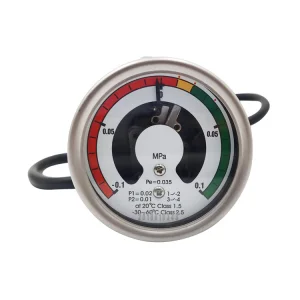
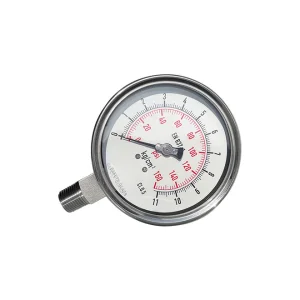
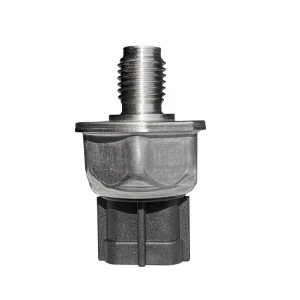
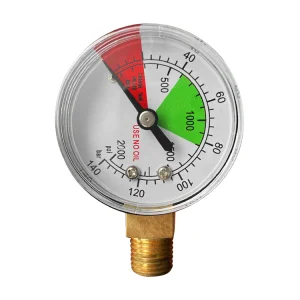
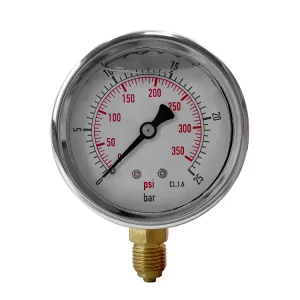
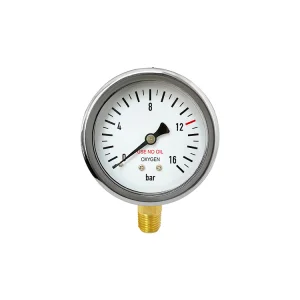
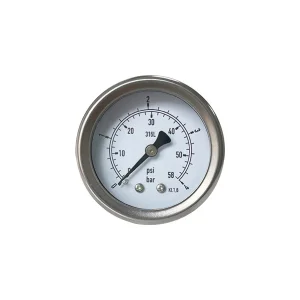
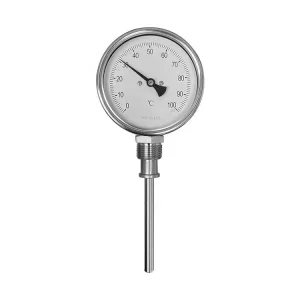
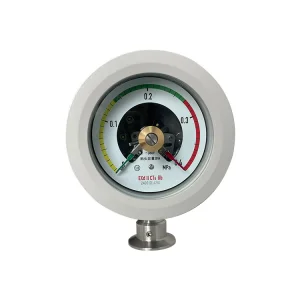
Explore our premium range of precision pressure gauges, laser-welded diaphragm seals, and environmental monitors engineered for rigorous UK and global process environments.
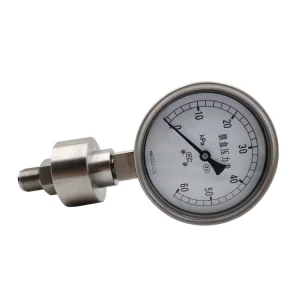
Analyzing thermal dissipation constraints, regulatory imperatives, and the economic shift toward high-reliability pressure instrumentation across UK heavy industries.
In modern industrial processing, accurate pressure monitoring under elevated temperature conditions represents one of the most critical engineering challenges. Standard mechanical Bourdon tube gauges and piezoresistive pressure sensors suffer rapid zero-drift, elasticity degradation, seal rupture, and catastrophic filling-fluid vaporization when exposed to process temperatures exceeding 100°C to 400°C. In high-value sectors across the United Kingdom—ranging from Grangemouth petrochemical refineries and North Sea offshore platforms to North East England chemical processing hubs and advanced food/pharmaceutical plants—unplanned downtime caused by instrumentation failure carries immense operational cost and safety liabilities.
The demand for specialized OEM high temperature pressure gauge UK suppliers has escalated drastically due to stringent regulatory frameworks, including the UK Pressure Equipment Safety Regulations (PESR), ATEX directives for hazardous atmospheres, and ISO 17025 calibration mandates. As UK plants undergo decarbonization, hydrogen blending, and thermal efficiency upgrades, mechanical pressure gauges must withstand thermal shocks, aggressive media, and severe cyclic vibration while maintaining measurement accuracy classes as fine as ±0.5% to ±1.0% Full Scale (FS).
Direct exposure of elastomeric seals and internal movement to extreme heat induces physical softening and permanent calibration shift. OEM solutions utilize cooling elements, capillary towers, and high-temp liquid fills (e.g., silicone oil up to 315°C, high-temp fluorolube up to 400°C) to isolate the sensing element.
Navigating UKCA marking, BS EN 837-1 standards, and NACE MR0175/ISO 15156 compliance for sour gas high-temperature applications. Factory-direct engineering ensures full material traceability (EN 10204 3.1 certification) for all wetted components.
Standard off-the-shelf gauges frequently fail under specific thermal profiles. OEM manufacturing provides tailored stem lengths, armored capillaries, specialty metallurgy (Hastelloy C-276, Inconel 718, Monel 400), and custom dial scales configured for UK operational parameters.
In-depth technical breakdown of fluid thermodynamics, heat dissipation mechanics, and alloy selection for elevated temperature pressure measurement.
When high-temperature steam, thermal oil, or molten polymers enter a measuring instrument, thermal energy transfers rapidly through process connections. To preserve the integrity of mechanical Bourdon tubes, internal rack-and-pinion movements, and electronic sensors, specialized isolation architectures are mandatory. Our OEM production lines employ three principal heat dissipation methodologies:
| Thermal Isolation Architecture | Max Operating Temp | Cooling Mechanism | Primary Industrial Applications | Wetted Alloys |
|---|---|---|---|---|
| Direct Cooling Elements (Finned Cooling Towers) | Up to 200°C - 250°C | Radiative & convective air dissipation via stainless steel cooling fins. | Superheated steam, hot water systems, moderate chemical processing. | 316L SS, 304 SS |
| Capillary Remote Diaphragm Seal Systems | Up to 400°C | Hydraulic pressure transfer via capillary tubes (1m to 10m) isolated from process heat. | Petrochemical refining, crude distillation, thermal oil boilers. | Hastelloy C-276, Inconel 718, Tantalum, Titanium |
| Pigtail & Coil Syphons (Mechanical Isolation) | Up to 300°C | Condensate trap formation preventing direct live steam contact with Bourdon tube. | Boiler drums, steam distribution lines, district heating networks in the UK. | Seamless Heavy Wall Stainless Steel / Carbon Steel |
| Microfused Glass-Bonded Sensor Seals | Up to 150°C (Sensor Core) | High-temperature inorganic glass fusing silicon strain gauges to stainless diaphragms. | Hydraulic power units, automotive engine testing, high-temp oil rigs. | 17-4PH Stainless Steel, 316L SS |
For sanitary, corrosive, or high-viscosity applications where process temperatures exceed 150°C, direct-contact Bourdon gauges are unsuitable. Instead, a Laser Welded Diaphragm Seal System is utilized. The process pressure deflects a ultra-thin metallic diaphragm, which hydraulically transmits pressure through an incompressible fill fluid to the internal measuring element.
The key engineering challenge lies in thermal fluid expansion. As temperature increases, the fill fluid expands, creating internal backpressure against the flexible diaphragm. This phenomenon introduces a measurement error known as temperature-induced zero shift ($\Delta P_{temp}$). To mitigate this, our OEM factory utilizes automated vacuum filling and precise volumetric metering of specialized fluids:
Huzhou Accuracy Instrument CO LTD is professionally engaged in the development, sales, and service of industrial mechanical pressure gauges, bi-metal thermometers, SF6 manometers, and advanced pressure sensors. Our high-precision instruments are deployed globally in Mechanical Engineering, Chemical Processing, Food & Beverage, Pharmaceuticals, and High-Voltage Electric Power Infrastructure.
Spanning a state-of-the-art 3,000 square meter manufacturing plant, our facility is equipped with automated assembly lines, high-vacuum fill stations, micro-laser welding bays, and computerized laser calibration systems. As an established OEM/ODM leader, we synthesize material science with precision manufacturing to deliver high-reliability measurement solutions tailored to UK and international standards.
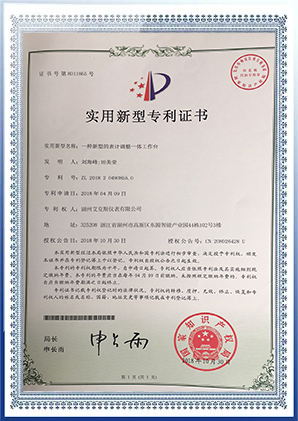
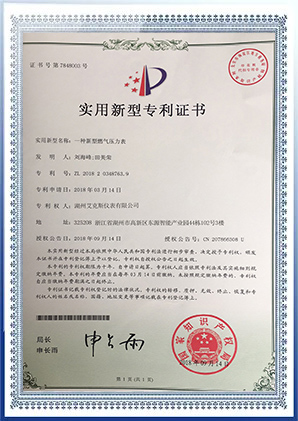
Focuses on advanced thermal material innovation, smart microfused sensor integration, diaphragm dynamics, and rigorous compliance with international engineering standards (ISO 9001, BS EN 837-1, API, CE).
Utilizes fully automated assembly lines, robotic laser welding, automatic fill fluid degasification, and automated calibration rigs to ensure zero zero-point drift and lifelong durability.
Our ISO 17025 compliant testing laboratory conducts 100% pressure cycle impulse tests, leak rate testing via helium mass spectrometers, and high-temperature environmental simulation chambers.
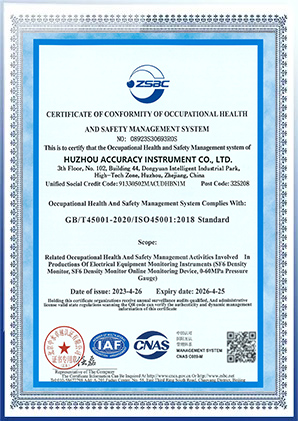
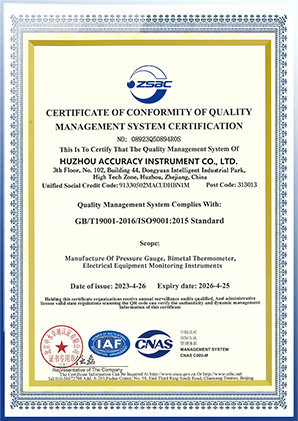
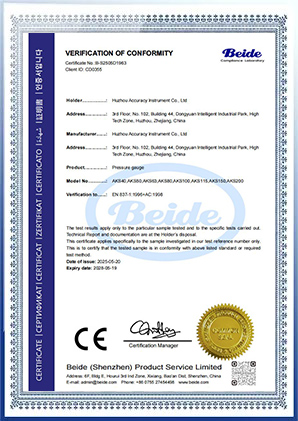
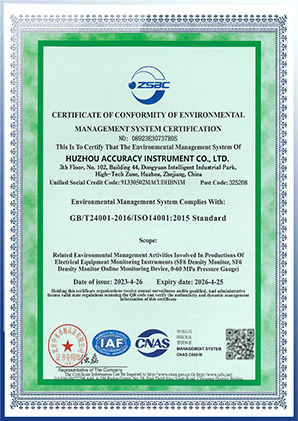
Following the core principles of "reasonable price, accurate delivery, and superior quality," our operations maintain ISO 9001:2008 certification and stringent CE compliance.
Custom OEM configurations tailored to specific UK industrial environments, operational temperature gradients, and aggressive process media.
Challenge: High ambient salt-spray corrosion paired with process media temperatures reaching 280°C and severe mechanical vibration from compressor turbines.
OEM Solution: All-316L full stainless steel construction, liquid-filled movement (glycerin/silicone combination), heavy-duty armored remote capillaries, and Hastelloy C-276 diaphragm seals. Compliant with NACE MR0175 for H2S sour gas environments.
Challenge: Thermal shock and pressure pulsations in high-pressure superheated steam headers operating above 350°C.
OEM Solution: Stainless steel coil/pigtail syphons combined with heavy-duty Bourdon tube gauges featuring internal dampeners and blow-out back safety housings certified to BS EN 837-1 S3 safety standards.
Challenge: High-temperature Clean-in-Place (CIP) and Steam-in-Place (SIP) sterilization cycles up to 150°C requiring non-contaminating, ultra-hygienic seals.
OEM Solution: Tri-Clamp quick-connect hygienic diaphragm seal gauges with food-grade FDA-approved fill fluids, surface roughness $Ra \le 0.4\,\mu\text{m}$, and electropolished stainless steel housings.
The evolution of high-temperature pressure sensing toward hybrid mechanical-digital architecture, wireless IIoT telemetry, and predictive maintenance.
Integration of glass-microfused strain gauge technology directly onto thermal isolation stems. Provides real-time local dial indication alongside 4-20mA HART or Modbus RS485 digital output signals operating reliably up to 200°C ambient.
Next-generation OEM pressure gauges incorporating internal temperature micro-sensors to track thermal cycle history, monitoring seal degradation and forecasting recalibration timelines before failure occurs.
Eliminating costly high-temperature wiring in expansive UK chemical plants. Battery-powered low-power wireless modules integrated into local gauge housings enable remote pressure telemetry across hazardous zones.
Technical guidance for instrumentation engineers, procurement teams, and plant managers sourcing high-temperature pressure gauges.
High temperatures impact pressure gauges in two distinct ways: thermal expansion of mechanical components (Bourdon tube softening), causing a positive reading error, and fill fluid expansion in liquid-filled gauges. Typically, standard gauges experience an additional zero shift error of approximately ±0.4% per 10°C temperature change away from the reference temperature (20°C). Utilizing thermal cooling elements or diaphragm seals isolates the heat, keeping the gauge mechanism within its optimal operating window.
With an engineered remote capillary system and high-temperature synthetic fill fluid (such as high-temp silicone oil or specialized fluorinated fluids), system process temperatures can reach up to 400°C (752°F). The capillary length (typically 1 to 5 meters) dissipates the thermal energy before hydraulic pressure reaches the gauge sensor dial.
As a direct manufacturer, Huzhou Accuracy Instrument provides comprehensive OEM solutions, including custom dial faces (dual scale PSI/Bar, UKCA logos, company branding), specialized process connections (BSP, NPT, Metric, Flanged, Tri-Clamp), capillary armor tubing, wetted metallurgy (316L, Hastelloy, Monel, Inconel), and internal micro-switch electric contacts for high-temperature limit alarm control.
Laser welding creates a continuous, high-purity molecular bond between the metallic diaphragm membrane and the seal body without introducing lower-melting-point filler metals. This prevents seal joint fatigue, thermal cracking, and chemical attack under extreme thermal cycling and high-pressure steam environments, delivering true zero-leak integrity.
Pressure gauges installed in the UK must comply with the Pressure Equipment Safety Regulations (PESR) / UKCA marking, BS EN 837-1 design specifications, ATEX Directive 2014/34/EU for explosive environments, and ISO 9001 quality assurance. Factory material test certificates according to BS EN 10204 3.1 should be requested for wetted metal components.
Finned cooling towers are cost-effective, compact, and ideal for clean media (such as steam or clean gas) where temperatures range between 100°C and 250°C and the gauge can be mounted directly at the measurement point. Remote capillary diaphragm seals are required when temperatures exceed 250°C, or when the process media contains solids, high viscosity, or corrosive chemicals that could clog or attack standard Bourdon tubes.
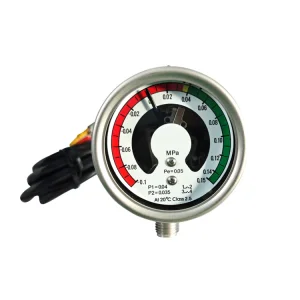
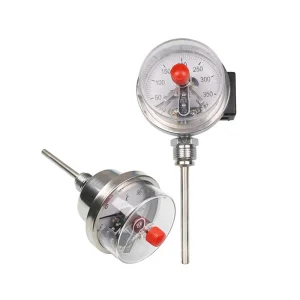
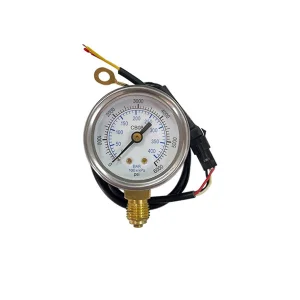
Explore our extended line of bi-metal thermometers, electric contact switches, CNG/oxygen gauges, and high-voltage SF6 density monitors.
 Accuracy Instrument