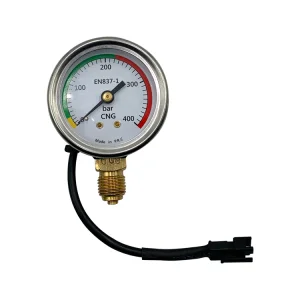
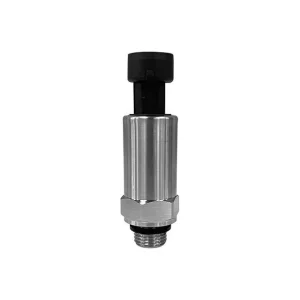
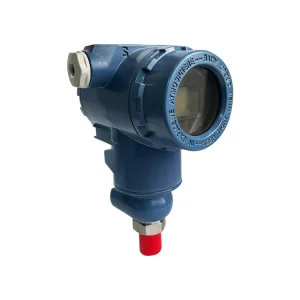
Explore factory-direct industrial pressure measurement devices, sensors, and calibration assemblies engineered to international standards.
Market growth, regulatory compliance, and metrological standards driving international OEM demand.
In modern industrial process engineering, pressure measurement accuracy is directly correlated with plant safety, regulatory compliance, operational efficiency, and product quality. The global industrial pressure calibration market has experienced a significant structural transformation, moving from traditional manual hydraulic comparator systems toward automated, high-precision digital calibration benches and micro-electromechanical systems (MEMS)-based reference standards. OEM (Original Equipment Manufacturer) specifications for pressure gauge calibration equipment have become the definitive criteria for global procurement officers, instrumentation engineers, and ISO 17025 accredited metrology laboratories.
The acceleration of Industry 4.0 and Smart Manufacturing has expanded the requirements for pressure calibration beyond static bench testing. Contemporary processing facilities in North America, Europe, East Asia, and the Middle East require continuous metrological verification for pressure transmitters, differential pressure units, ceramic piezoresistive sensors, and mechanical Bourdon tube gauges. As continuous processing systems operate under increasingly extreme thermal and corrosive conditions, calibration equipment specifications must guarantee minimal uncertainty bounds, robust thermal compensation, and seamless integration with digital calibration management software (DCMS).
Metrological Insight: OEM pressure gauge calibration equipment online specifications must account for system hysteresis, thermal zero shift, long-term drift, and hydrostatic head corrections. Sourcing directly from verified Chinese suppliers and factories provides strategic cost benefits while securing compliance with ISO 9001, CE, and SGS international quality frameworks.
Comprehensive breakdown of measurement standards, accuracy classes, material grades, and connection interfaces.
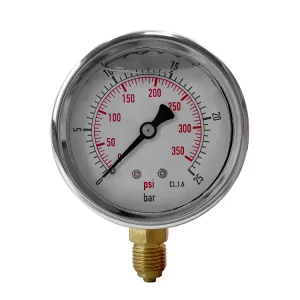
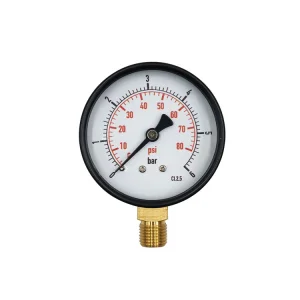
Selecting appropriate calibration equipment requires a clear understanding of metrological tolerances and device under test (DUT) characteristics. Calibration systems generally fall into three structural categories: Primary Reference Standards (such as Deadweight Testers), Secondary Digital Calibrators, and Portable Calibration Test Pumps. The table below details the standardized engineering specifications for factory-grade OEM calibration platforms and pressure measurement devices.
| Equipment Category | Target Accuracy Class | Operating Range | Wetted Parts Material | Output / Protocol | Primary Application |
|---|---|---|---|---|---|
| Digital Pressure Calibrator | ±0.025% F.S. / ±0.05% F.S. | -1 to 1000 Bar (-14 to 15,000 PSI) | 316L Stainless Steel / Hastelloy C | RS485, Modbus RTU, 4-20mA | Laboratory Calibration & Field Testing |
| Hydraulic Deadweight Tester | ±0.015% to ±0.005% of Reading | 1 to 2500 Bar (15 to 36,000 PSI) | Tungsten Carbide / Stainless Steel | Mechanical Mass Displacement | Primary National & Factory Standards |
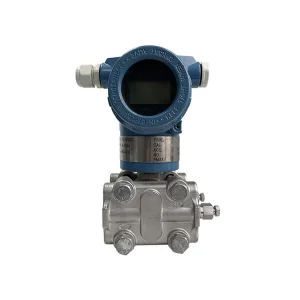
| Differential Pressure Transmitter | ±0.075% to ±0.5% F.S. | 0 to 10 MPa (DP) | 316L SS, Monel, Tantalum Diaphragm | 4-20mA, HART Protocol, WirelessHART | Flow Measurement & Level Control |
| Pneumatic Test Hand Pump | Mechanical / Auxiliary Standard | -0.95 to 60 Bar (-28 inHg to 870 PSI) | Anodized Aluminum, Buna-N Seals | Quick-Fit NPT/BSP Connectors | On-site Transmitter & Gauge Verification |
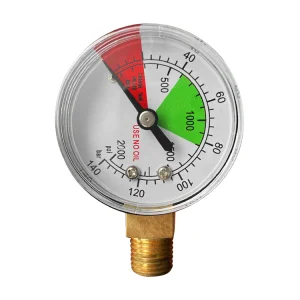
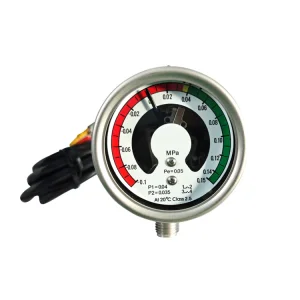
| SF6 Density Monitor Calibrator | Class 1.0 / Class 1.6 | -0.1 to 0.9 MPa (Absolute) | AISI 304 / 316 SS Weatherproof Case | Electric Micro-switches / RS485 | High-Voltage Switchgear Insulation Verification |
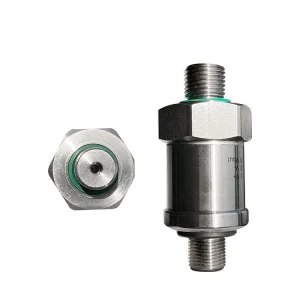
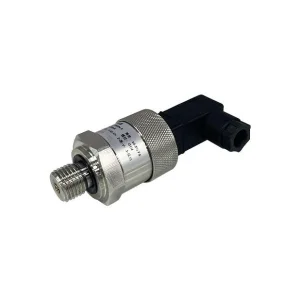
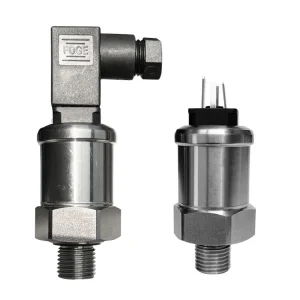
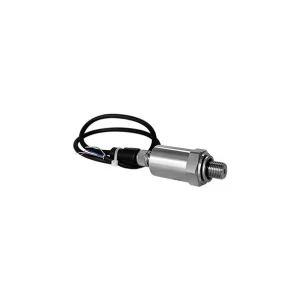
| Thin-Film Pressure Sensor / Transducer | ±0.25% / ±0.5% F.S. | 0 to 600 Bar (0-8700 PSI) | 316L SS Sputtered Thin-Film Structure | 0-10V, 0.5-4.5V Ratiometric, 4-20mA | Hydraulic System Dynamic Monitoring |
Options include 304 SS, 316L SS, Brass, Corrosion-resistant Ceramic (Al2O3 96%), and Monel. Special liquid fillings (Glycerine, Silicone Oil) ensure vibration damping up to IP67 ingress protection.
Standardized threading including 1/4" NPT, 1/2" NPT, 1/4" BSP, 1/2" BSP, M20x1.5, and quick-disconnect fittings tailored to European, American, and Asian pipeline networks.
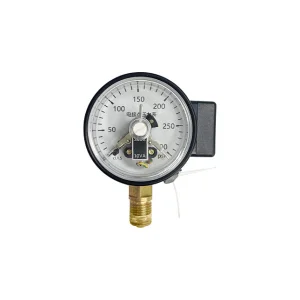
Integrated electric contacts (normally open/closed), 0-5V CNG resistive signals, 4-20mA 2-wire loop powering, and DIN 43650 Hirschmann connectors for automated industrial control.
Emerging innovations transforming field calibration, wireless diagnostics, and automated uncertainty analysis.
Traditional manual pressure calibration requires labor-intensive record keeping and manual valve adjustment. Future calibration rigs incorporate automated pressure generation modules driven by proportional solenoid valves and high-precision micro-pumps. Coupled with Bluetooth 5.0, HART 7, and NB-IoT protocols, modern calibration systems automatically log zero-point shifts, span error, and hysteresis curves directly to cloud metrology databases, establishing an unbroken digital chain of custody.
Ambient thermal expansion remains a primary source of measurement uncertainty in field calibration. Next-generation pressure transmitters and calibrators utilize dual MEMS architecture—integrating localized silicon temperature sensors alongside piezoresistive pressure cells. On-board microprocessors execute real-time polynomial curve fitting to negate thermal drift across process ranges spanning -40°C to +125°C.
The mechanical wear inherent to classic C-type Bourdon tubes is being mitigated through solid-state sensor technology. Inorganic ceramic pressure cells (96% Al2O3) offer exceptional chemical inertness against aggressive acids and alkalis, while micro-sputtered stainless steel thin-film sensors eliminate internal organic adhesive layers. These components ensure multi-million pressure cycle endurance without mechanical fatigue or zero-drift.
ISO/IEC 17025 laboratory accreditation standards require continuous calculation of expanded measurement uncertainty (U). Advanced digital pressure calibrators now feature automated GUM (Guide to the Expression of Uncertainty in Measurement) calculators embedded directly within system firmware, delivering immediate pass/fail evaluations during field routine testing.
Tailored instrumentation deployment across critical infrastructure and process industries.
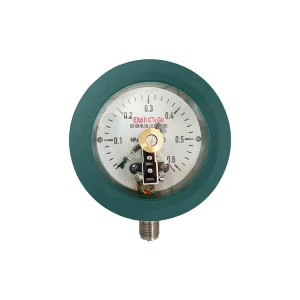
Severe corrosive environments and explosive atmospheres demand ATEX/IECEx explosion-proof pressure transmitters (Exd II CT6) and 316L SS pressure gauges equipped with heavy-duty diaphragm seals. Calibration equipment must handle pressure ranges up to 2,000 bar for wellhead Christmas tree monitoring and hydrostatic pipe testing.
Clean-in-place (CIP) and Sterilize-in-place (SIP) processes in biotechnology require zero-dead-space hygienic pressure gauges and transmitters with Tri-Clamp sanitary fittings. Calibration standard solutions must utilize USP Class VI compliant non-toxic fill fluids (e.g., medical white oil or vegetable glycerine).
Electrical substations rely on precise SF6 gas density monitors to prevent catastrophic insulation flashovers. Calibration equipment must accurately measure gas density compensated for temperature, allowing power utility technicians to detect micro-leaks in gas-insulated switchgear (GIS) installations.
20 Years of Manufacturing Excellence, Rigorous QA Testing, and Global Export Leadership.
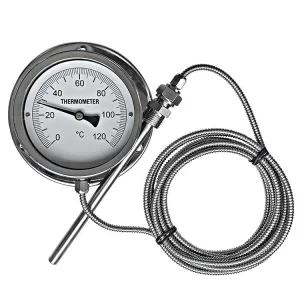
Huzhou Accuracy Instrument CO LTD is professionally engaged in the development, sales and service of industrial mechanical pressure gauges, bi-metal thermometers, SF6 manometer, pressure sensor. Products are widely used in various applications such as Mechanical Engineering, Chemical Engineering, Food Industry, Pharmaceutical, and high technology electric appliances.
Established over two decades ago, our pressure gauge manufacturing facility spans 3,000 square meters, equipped with advanced production lines and rigorous quality control systems. As an industry leader, we integrate innovation with precision engineering to deliver reliable measurement solutions for global clients.
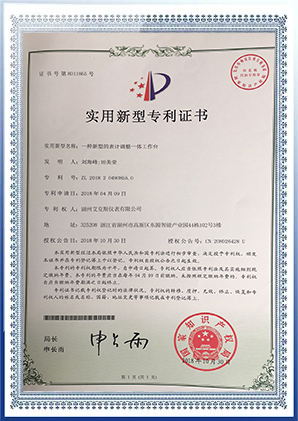
Focuses on material innovation, smart sensor integration, and compliance with international standards (e.g., ISO, API). Continuous development of thin-film sensors and digital calibration interfaces.
Utilizes automated assembly and laser calibration technologies to ensure product durability and accuracy. Annual output exceeds 2 million units across specialized industrial categories.
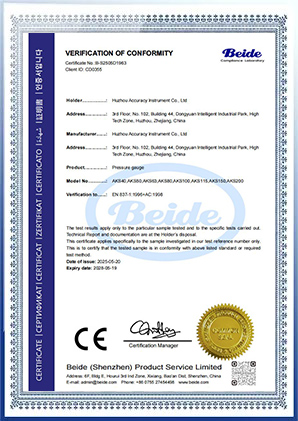
Provides 24/7 technical support and customized solutions across 30+ countries. Products are exported worldwide with ISO, SGS, and CE certifications for reliable zero-leak performance.
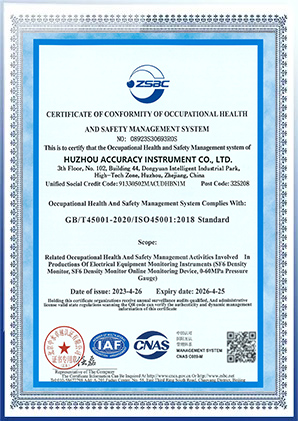
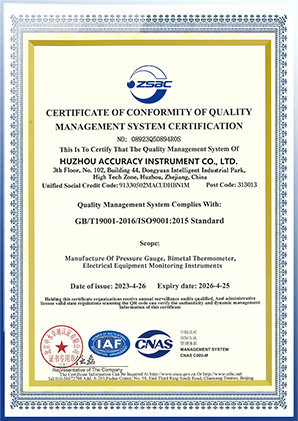
Quality Commitment: Our laboratory conducts 100% pressure cycle tests and environmental simulations, adhering to ISO 9001 and ISO 17025 standards. Continuous improvement drives our reputation for "zero-leak" performance in extreme conditions, supported by a comprehensive one-year warranty.
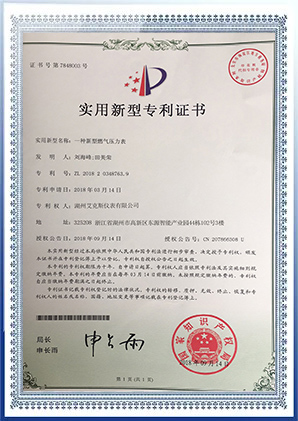
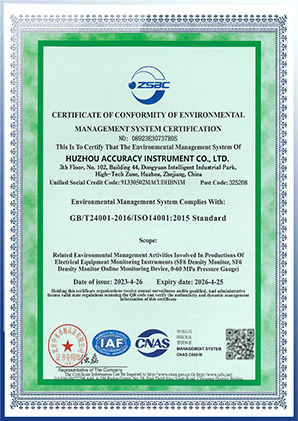
We have long followed the concept of "reasonable price, accurate delivery, good quality" and several business management models to keep our production quality above the required benchmark under ISO9001:2008 certified.
Expert answers to common procurement, calibration protocol, and engineering inquiries.
Explore high-precision electronic transducers, explosion-proof units, and SF6 grid monitoring solutions.
 Accuracy Instrument