Precision-engineered measurement devices verified for extreme thermal, corrosive, and high-vibration industrial environments worldwide.
20+ YEARS OF INSTRUMENTATION R&D AND INDUSTRIAL MANUFACTURING EXPERIENCE
Huzhou Accuracy Instrument Co., Ltd. operates as a premiere engineering and manufacturing hub specializing in mechanical pressure gauges, bimetal thermometers, SF6 gas density monitors, and high-precision pressure transmitters. Operating across a state-of-the-art 3,000 square meter production center, our facility incorporates automated laser-welding equipment, automatic pressure calibration systems, and environmental testing labs that deliver absolute operational safety for process industries.
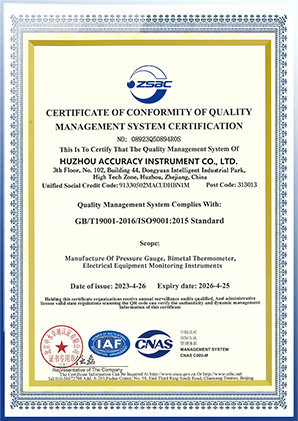
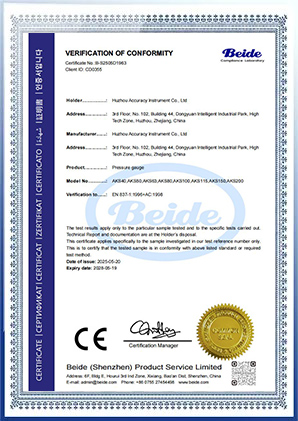
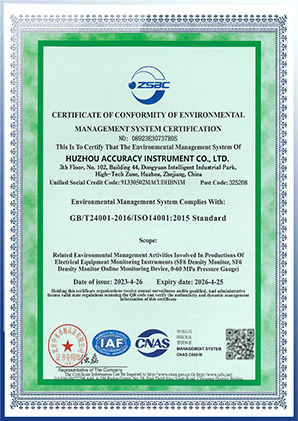
As modern industrial automation shifts toward Industry 4.0, real-time pressure monitoring and thermal sensing have become imperative for asset longevity, environmental protection, and operational efficiency. By maintaining strict compliance with international benchmarks including ISO 9001:2008, ISO 17025, EN 837-1, and CE explosion-proof standards, Huzhou Accuracy Instrument delivers zero-leakage performance under extreme conditions.
Understanding the thermal dynamics, elastic deformation mechanics, and solid-state sensing mechanisms driving precision measurement devices.
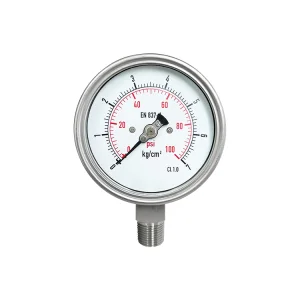
Mechanical pressure gauges rely on the Hooke’s Law principle of elastic deformation. C-type, helical, or spiral Bourdon tubes crafted from Phosphor Bronze or AISI 316L Stainless Steel straighten under internal pressure, translating micro-deflections into angular pointer movement via precision-cut gear movements. For viscous, crystallization-prone media, sanitary diaphragm seals isolate the measuring element using high-purity fill fluids (Silicon Oil, Halocarbon) to transfer hydrostatic pressure faithfully.
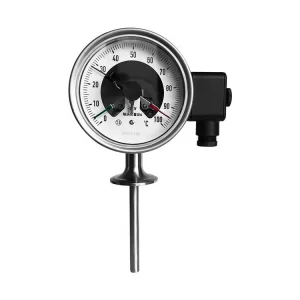
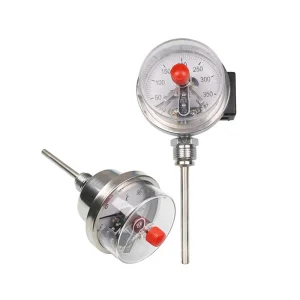
Bimetal thermometers utilize two cold-welded metallic strips with disparate coefficients of thermal expansion (e.g., Brass and Invar alloy). As ambient or fluid temperatures fluctuate, the differential thermal expansion forces a helical coil to twist. This mechanical rotation drives a coaxial pointer shaft without requiring external electric power, ensuring intrinsic safety in explosive gas zones and high-temperature process lines.
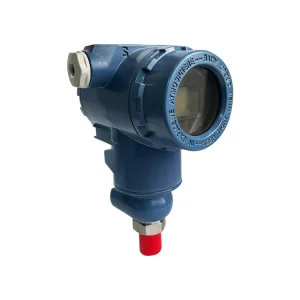
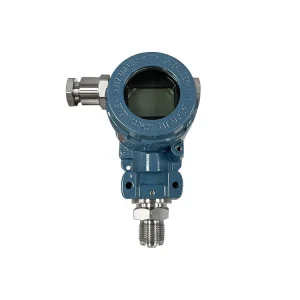
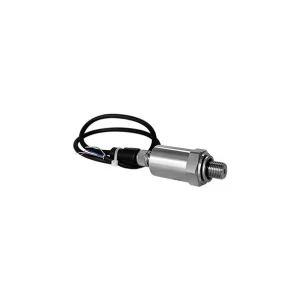
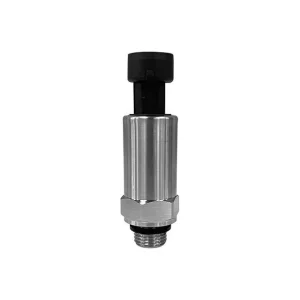
Advanced intelligent transmitters (such as the 3051 and 2088 series) utilize piezoresistive diffused silicon chips or ultra-durable ceramic capacitive diaphragms. Pressure-induced mechanical stress alters the crystal lattice resistivity, generating a micro-volt bridge imbalance. On-board ASICs process and digitize this signal, providing temperature-compensated 4-20mA, HART, or Modbus RS485 outputs with sub-0.075% span repeatability.
Engineering Note: Huzhou Accuracy Instrument subjects 100% of manufactured Bourdon tubes to high-frequency pressure fatigue cycling (up to 100,000 pulses) and thermal cycling test protocols (-40°C to +150°C) to eliminate zero-point drift and mechanical hysteresis before zero-leak factory shipment.
Selecting optimal metallurgy and elastomer configurations to withstand aggressive chemical corrosion, hydrogen embrittlement, and extreme thermal stresses.
| Wetted Component Material | Corrosion Resistance Profile | Operating Temp Range | Ideal Target Industry | NACE MR0175 Compliant |
|---|---|---|---|---|
| AISI 316L Stainless Steel | High resistance to general atmospheric corrosion, organic acids, and chlorides. | -40°C to +200°C | Oil & Gas Refineries, General HVAC, Chemical Processing | Yes (Standard) |
| Hastelloy C-276 | Exceptional resistance to strong oxidizers, wet chlorine, and ferric chlorides. | -50°C to +400°C | Petrochemical, Marine Engineering, Flue Gas Scrubbers | Yes (Custom) |
| Monel 400 | Superior immunity to hydrofluoric acid, salt water, and alkalis. | -50°C to +300°C | Offshore Drilling, Marine Equipment, Desalination Plants | Yes |
| PTFE Coating / Diaphragm | Near-total chemical inertness to ultra-pure acids, concentrated bases, and solvents. | -20°C to +180°C | Semiconductor Fab, Pharmaceutical Synthesis, Electroplating | N/A |
| 96% Al2O3 High-Purity Ceramic | Extreme abrasion resistance, immune to aggressive slurries and oxidative media. | -40°C to +125°C | Mining Slurry, Wastewater Treatment, Chemical Dosing | Yes |
How Huzhou Accuracy Instrument delivers industrial-grade instruments with unrivaled TCO (Total Cost of Ownership) and supply continuity.
From precision CNC machining of instrument housings, laser-welding of diaphragm seals, to automated dial printing and calibration—our Huzhou facility maintains end-to-end control over the production supply chain. This eliminates sub-component markups and ensures raw material consistency from raw SS316 bar stock to finished gauge assemblies.
Our pressure calibration labs feature high-accuracy automated pressure calibrators traceable to national metrology institutes (NIM/NIST). Continuous optical inspection systems verify dial calibration markings across multi-point scales, eliminating human errors in zero-alignment, span errors, and non-linearity adjustments.
We provide tailored scaling, dual-unit calibration dials (PSI, Bar, kPa, MPa), customized flange dimensions (ANSI, DIN, JIS), customized electrical contact connections, and private labeling for international EPC contractors and instrument distributors seeking flexible OEM partnerships.
Tailor-made instrumentation deployment frameworks verified for severe service environments across key sectors.
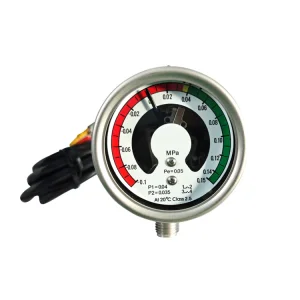
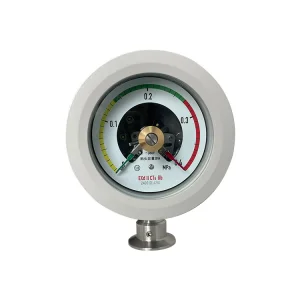
SF6 (Sulfur Hexafluoride) is critical for insulating high-voltage switchgear. Our specialized SF6 gas density monitors incorporate gas-density temperature compensation mechanisms. This ensures that ambient temperature variations do not trigger false gas leak alarms, preserving switchgear insulation integrity and preventing catastrophic flashovers in electrical grids.
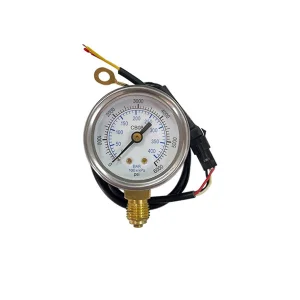
Alternative fuel vehicles require compact, shock-resistant, low-voltage electronic pressure gauges (5V/12V powered). Our automotive CNG pressure gauges are ruggedized against road vibrations, thermal spikes in engine compartments, and pressure surges up to 200 bar, communicating instantly with vehicle ECU units.
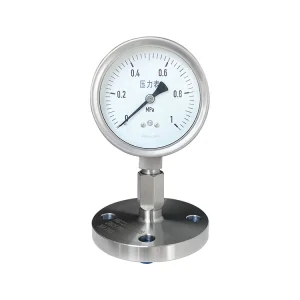
For clean-in-place (CIP) and sterilize-in-place (SIP) sanitary applications, our 4-inch flanged diaphragm pressure gauges feature polished surface finishes (Ra < 0.4 µm) and FDA-compliant internal fluids, preventing bacterial accumulation and product contamination.
How digital transformation is reshaping classical mechanical instruments into smart asset monitoring nodes.
Combining visual mechanical analog indication with adjustable electrical magnetic snap-action or inductive alarm contacts, these instruments allow automated machine shutoff, pump protection, and overpressure alarm triggering directly at the process point without requiring PLC loops.
Integrating wireless communication protocols (LoRaWAN, NB-IoT, WirelessHART) into pressure transmitters enables remote tank farm monitoring, pipeline leak detection, and continuous health telemetry in dangerous or remote geographic zones, drastically lowering manual inspection overheads.
Combining multi-variable sensing elements inside a single process connection reduces pipe penetration points by 50%, reducing potential leak paths while providing synchronized P-T telemetry data for accurate gas density and enthalpy calculations.
Explore our expanded inventory of CE-certified transmitters, shock-resistant oil-filled gauges, and bimetal thermal switches.
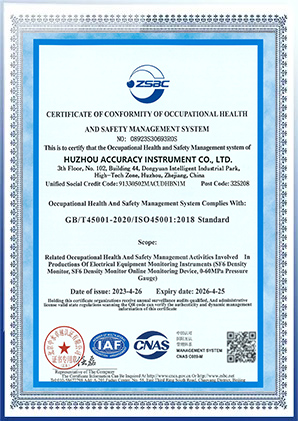
We strictly adhere to the business core of "reasonable price, punctual delivery, zero-defect quality" backed by ISO 9001:2008 management controls.
Our in-house quality testing facility executes 100% full-scale pressure limit tests, hydrostatic overpressure tests, and precision temperature calibration against certified master gauges. Every unit delivered carries traceable quality guarantees to ensure safety across dangerous work sites.
Expert insights addressing critical buyer queries regarding gauge selection, liquid filling, transmitter calibration, and maintenance.
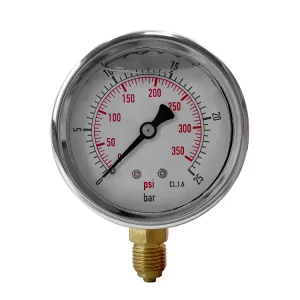
Dry pressure gauges are suitable for stationary, low-vibration environments where non-corrosive media is measured. Liquid-filled pressure gauges (containing Glycerin or Silicone fluid) damp mechanical vibrations, cushion pointer oscillations against heavy pressure pulsations, lubricate moving gear components, and prevent internal window condensation, drastically extending service lifespan in heavy manufacturing or pumping applications.
Material selection depends on the chemical concentration, temperature, and reactivity. Standard AISI 316L Stainless Steel works for mild acids and general organics. For aggressive media such as hydrochloric or hydrofluoric acid, Hastelloy C-276, Monel 400, or solid PTFE linings are recommended. High-purity alumina ceramics are optimal for highly abrasive slurries.
Gas pressure inside sealed high-voltage electrical equipment naturally increases or decreases as ambient temperature changes, following Gay-Lussac’s Gas Law. SF6 density monitors integrate a specialized bimetallic or gas-filled reference chamber that offsets thermal pressure shifts. This ensures that the indicated pressure reading reflects actual gas density/leakage rather than ambient temperature swings.
Electric contact pressure gauges feature integrated micro-switches or magnetic snap contacts set to pre-determined low/high pressure thresholds. When system pressure crosses a setpoint, the contacts automatically open or close an electrical control circuit, enabling instant relay switching, safety shutoff of pumps/compressors, or audio-visual alarm triggering without reliance on auxiliary electronic sensor loops.
The 2088 series is a compact, cost-effective industrial pressure transmitter ideal for gauge and absolute pressure measurements in standard processing plants. The 3051 series represents high-tier intelligent instrumentation featuring differential, gauge, and absolute pressure capabilities, offering tighter accuracy tolerances (up to ±0.065%), higher turndown ratios, HART protocol integration, and SIL2/SIL3 functional safety certifications.
Standard industrial practices recommend annual (12-month) recalibration under normal operating conditions. However, gauges subjected to intense pressure cycling, continuous vibration, mechanical shock, or process temperatures above 100°C should undergo semi-annual or quarterly calibration verifications using master deadweight testers or digital pressure calibrators.
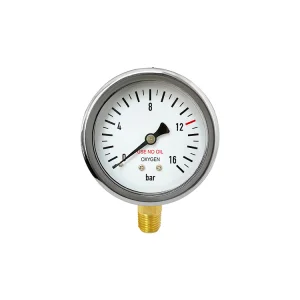
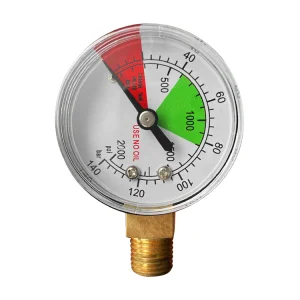
Oxygen pressure gauges MUST be strictly cleaned and certified "O2 Clean - Free From Oil & Grease" to prevent hydrocarbon-oxygen spontaneous combustion or explosion. They feature distinctive dial markings ("Use No Oil"), specialized non-hydrocarbon degreased wetted materials, and optional blow-out safety backs to protect operating personnel in case of internal element failure.
The accuracy class defines the maximum allowable error percentage across the total scale span (e.g., Class 1.0 means max ±1% error of full scale). Accuracy depends on Bourdon tube wall uniformity, precision movement gear teeth tolerances, environmental temperature shifts, and zero-point calibration exactness during factory testing.
 Accuracy Instrument