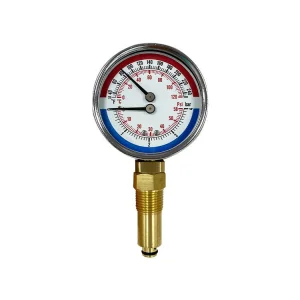
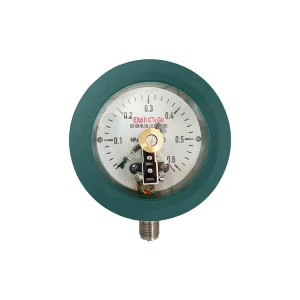
Industrial-grade pressure and temperature instrumentation manufactured under certified ISO9001 quality systems for global embedded and micro-controller deployments.
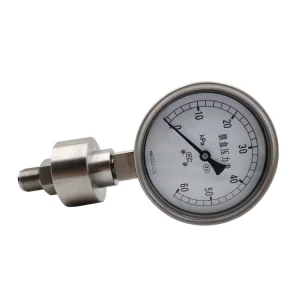
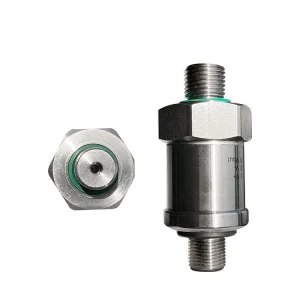
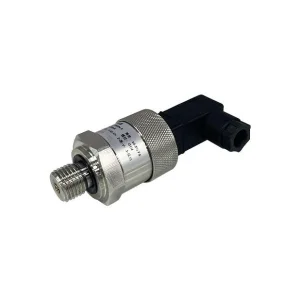
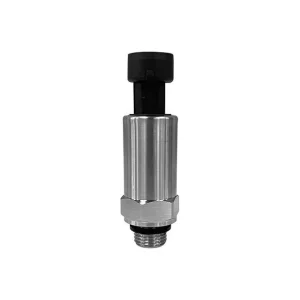
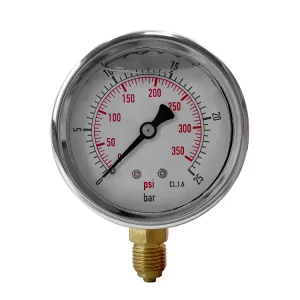
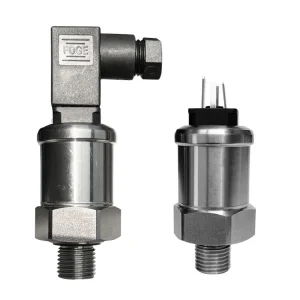
Understanding the Convergence of Mechanical Hydraulic Fluid Dynamics, Microcontroller Signal Conditioning, and OEM Mass Manufacturing
In modern industrial powertrain systems, marine propulsion units, high-output power generation equipment, and automotive performance platforms, real-time telemetry for lube oil pressure and operating oil temperature is vital. Operating fluid degradation, thermal breakdown, cavitation, and unexpected pressure drops are primary catalysts for catastrophic mechanical failure. Historically, mechanical dial gauges relying on Bourdon tubes and direct capillary tubes served as the industry standard. However, the modern OEM industrial landscape demands digital integration, real-time logging, edge computation, and seamless telemetry streaming to telemetry buses (CAN bus, Modbus, or custom IoT nodes).
This technical whitepaper outlines the manufacturing methodologies, electrical interface engineering, signal conditioning protocols, and OEM custom production frameworks required to deploy high-reliability Oil Pressure and Temperature Gauges tailored for Arduino microcontrollers (ATmega328P, SAMD21, ESP32 platforms, and STM32 embedded controllers). By pairing industrial-grade solid-state sensors with digital ADC translation layers, OEM factories can produce ultra-durable instrumentation that meets stringent automotive and industrial compliance criteria.
Deploying dual-parameter analog oil telemetry to a digital 5V/3.3V microcontroller environment requires addressing electrical noise isolation, non-linear thermal resistance curves (NTC/PT100/PT1000), pressure transducer ratiometric output scaling (0.5V - 4.5V), and severe electromagnetic interference (EMI) present in heavy machinery environments.
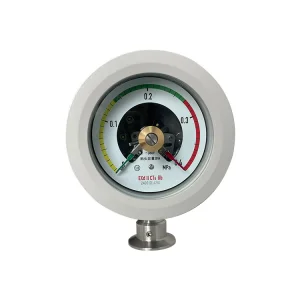
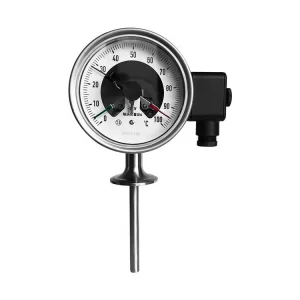
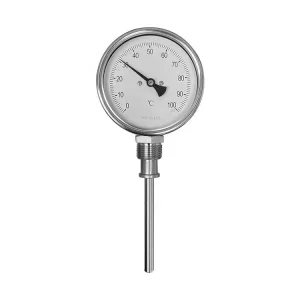
Huzhou Accuracy Instrument CO LTD is professionally engaged in the development, sales and service of industrial mechanical pressure gauges, bi-metal thermometers, SF6 manometer, and pressure sensors. Products are widely used in various applications such as Mechanical Engineering, Chemical Engineering, Food Industry, Pharmaceutical, and high technology electric appliances.
Established over two decades ago, our pressure gauge manufacturing facility spans 3,000 square meters, equipped with advanced production lines and rigorous quality control systems. As an industry leader, we integrate innovation with precision engineering to deliver reliable measurement solutions for global clients.
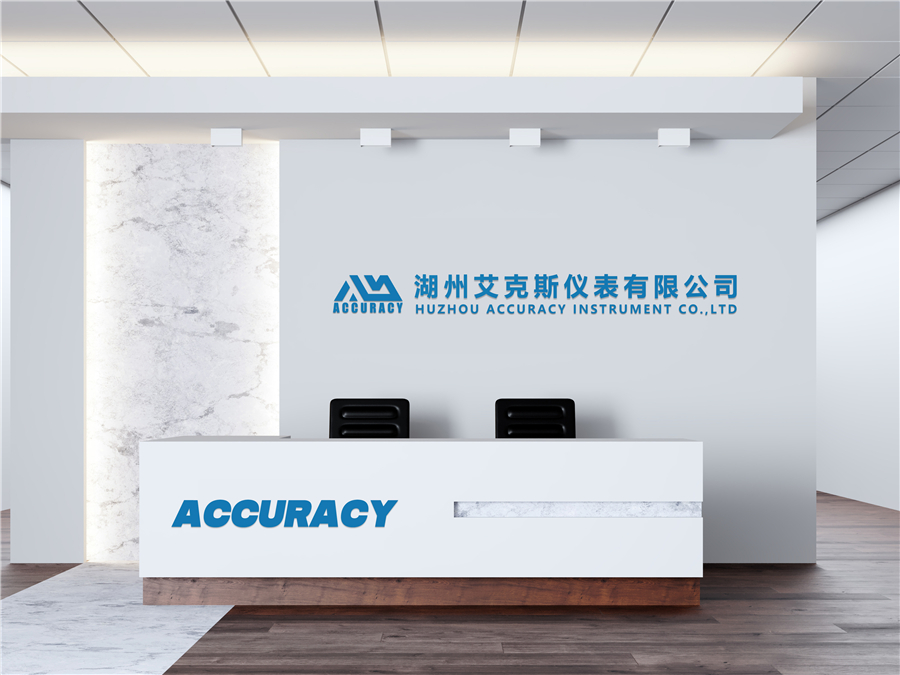
Our laboratory conducts 100% pressure cycle tests and environmental simulations, adhering to ISO 9001 and ISO 17025 standards. Continuous improvement drives our reputation for "zero-leak" performance in extreme conditions, supported by a comprehensive one-year warranty.
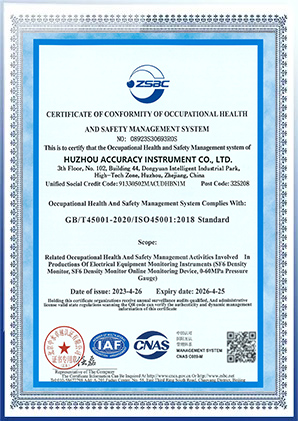
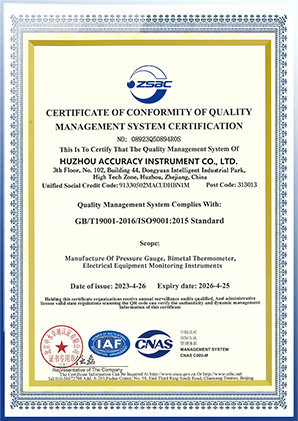
We have long followed the concept of "reasonable price, accurate delivery, good quality" and several business management models to keep our production quality above the required benchmark under ISO9001:2008 certified systems.
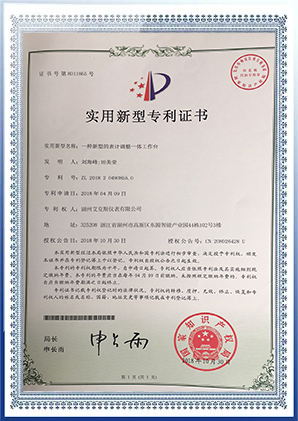
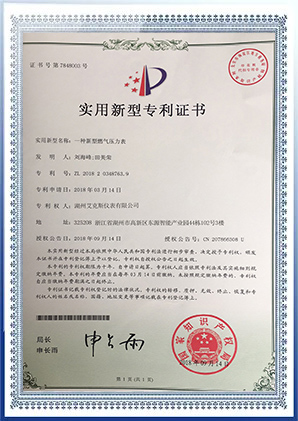
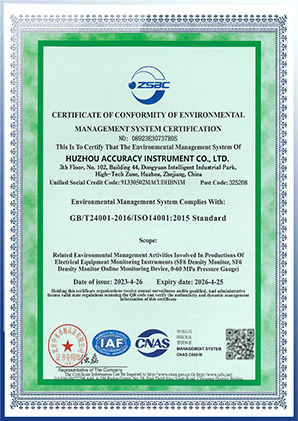
How digital transformation, microcontrollers (Arduino/ESP32), and IoT edge computing are revolutionizing engine fluid instrumentation.
Traditional mechanical oil pressure gauges utilize direct engine oil lines routed into the vehicle cockpit or control panel. This creates points of failure, where high-pressure hot oil can leak directly into control environments. Modern OEM trends prioritize remote piezoresistive ceramic or thin-film stainless steel transducers that translate physical pressure (0-10 bar / 0-150 PSI) into linear voltage or current outputs (e.g., 0.5V-4.5V ratiometric, 4-20mA). These electrical signals interface seamlessly with Arduino microcontrollers, converting raw voltage into digital data displayed on TFT displays, OLED panels, or sent to CAN bus interfaces.
Space optimization inside fluid galleries is paramount. Global buyers increasingly request dual-function sender units—housing both a piezoresistive pressure cell and a thermistor (NTC or PT100/1000) within a single 1/8" NPT or M10x1.0 stainless steel housing. This reduces installation labor, minimizes dynamic vibration stress, and provides synchronized thermal and hydraulic telemetry for real-time engine health indexing.
The rise of open-architecture embedded boards like Arduino Nano, Mega 2560, and ESP32 in industrial prototyping and custom vehicle instrumentation has democratized custom dashboard creation. OEMs now manufacture specialized gauge assemblies that output digital signals (I2C, SPI, UART, or 0.5-4.5V analog) formatted specifically for easy ADC sampling with Arduino boards. This allows engineers to program customized alert thresholds, dynamic color displays, and remote cloud data logging via Wi-Fi/GSM modules.
By pairing Arduino microcontrollers with combined oil pressure and temperature sensing, systems can calculate real-time dynamic oil viscosity. When high temperature correlates with abnormally low pressure at high RPM, machine-learning algorithms flag potential oil breakdown or bearing wear before thermal seizure occurs, saving thousands of dollars in downtime.
Comprehensive engineering benchmarks required by enterprise purchasers for marine, racing, and heavy machinery deployments.
| Specification Parameter | Oil Pressure Sensor Module | Oil Temperature Sensor Module | Arduino Interface Compatibility |
|---|---|---|---|
| Measurement Range | 0 to 10 Bar (0 - 145 PSI) / Custom 0-25 Bar | -40°C to 150°C (-40°F to 302°F) | Scaled via 10-bit / 12-bit ADC Code |
| Sensor Technology | Piezoresistive Ceramic / 316L SS Thin Film | NTC Thermistor (10k/100k) or PT100 RTD | Voltage Divider / Operational Amplifier |
| Signal Output | 0.5V - 4.5V Ratiometric / 4-20 mA / 0-5V | Resistance Variance (e.g. 2252Ω @ 25°C) | Direct Analog Pin (A0-A7) or ADS1115 I2C |
| Supply Voltage | 5.0 ± 0.25 VDC (Arduino Native) | 3.3V - 5.0 VDC Excitation | Regulated Power Rail from Board |
| Accuracy Class | ±0.5% FS (Full Scale) | ±0.5°C to ±1.0°C Calibration | Enhanced via Software Moving Average |
| Thread Fitment | 1/8"-27 NPT, M10x1.0, 1/4" BSP, G1/4" | Integrated Dual-Thread Housing Option | Direct Engine Block / Adapter Plate |
| Ingress Protection | IP67 / IP69K Waterproof Connector | IP67 Sealed Deutsch DT04-2P / Hirshmann | Automotive Grade Harness Wire |
| Response Time | < 2 milliseconds | < 1.5 seconds (In Fluid Flow) | Real-time Interrupt-driven Loop |
Deploying turnkey Arduino-compatible oil pressure and temperature sensing across critical heavy industries.
Saltwater marine environments represent one of the most punishing operational spheres for hydraulic sensors. Humidity, salt mist, and continuous high-load thermal stress require custom marine-grade 316 stainless steel pressure bodies with isolated thermistor wells. By connecting these sensors to an Arduino-based telemetry hub mounted inside IP67 junction boxes, marine engineers gain real-time NMEA2000 or Modbus telemetry of main engine oil galleries and transmission fluids, safeguarding against engine seizure during offshore transits.
In endurance motorsport environments, rapid cornering forces cause oil starvation when fluid shifts away from the oil pickup tube. Mechanical gauges cannot react fast enough to notify drivers. Our OEM Arduino oil pressure and temperature units sampled at 500Hz provide instant low-pressure warnings on custom OLED displays or CAN-bus race dashes. The high sample rate enables instantaneous peak-hold recording, programmable shift light thresholds, and warning buzzers when oil temperature exceeds 130°C.
Emergency generators in healthcare facilities and datacenters must start instantly and operate reliably under full load. Automated remote testing units powered by embedded Arduino microcontrollers query our dual oil pressure and temperature transmitters continuously. If an automated weekly test cycle detects slow oil pressure buildup or abnormal oil heater temperatures, the Arduino system flags an alarm over Ethernet/LoRaWAN to dispatch facility engineers before a grid outage occurs.
In manufacturing plants using hydraulic presses and robotic actuators, hydraulic oil degradation leads to expensive pump replacement. Installing combined oil pressure and temperature transducers connected to an Arduino-based edge controller allows real-time calculation of fluid condition, thermal stability, and pressure spikes caused by sticking valves, enabling dynamic predictive maintenance.
Step-by-step technical implementation guide for interfacing OEM piezoresistive transducers and NTC thermistors with Arduino microcontrollers.
#define PRESSURE_PIN A0
#define TEMP_PIN A1

// Calibration Parameters
const float VCC = 5.0;            // Regulated supply
const float P_MIN_V = 0.5;        // 0 PSI voltage
const float P_MAX_V = 4.5;        // 150 PSI voltage
const float MAX_PSI = 150.0;

void setup() {
  Serial.begin(115200);
  pinMode(PRESSURE_PIN, INPUT);
  pinMode(TEMP_PIN, INPUT);
}

void loop() {
  // 1. Read Pressure Transducer
  int rawP = analogRead(PRESSURE_PIN);
  float vP = (rawP / 1023.0) * VCC;
  float psi = ((vP - P_MIN_V) / (P_MAX_V - P_MIN_V)) * MAX_PSI;
  if (psi < 0) psi = 0.0;

  // 2. Read NTC Thermistor via Steinhart-Hart Equation
  int rawT = analogRead(TEMP_PIN);
  float rT = 10000.0 * (1023.0 / (float)rawT - 1.0);
  float logRT = log(rT);
  float tempK = 1.0 / (0.001129141 + (0.000234125 * logRT) + (0.0000000876741 * logRT * logRT * logRT));
  float tempC = tempK - 273.15;

  Serial.print("Oil Pressure (PSI): "); Serial.print(psi);
  Serial.print(" | Oil Temp (°C): "); Serial.println(tempC);
  delay(500);
}
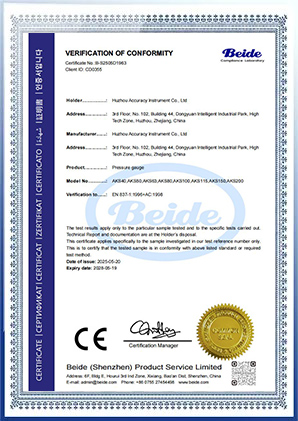
Navigating global regulatory requirements is essential for OEM exporters. Huzhou Accuracy Instrument Co., Ltd. ensures all customized Arduino oil pressure and temperature gauge hardware complies with worldwide standards:
As industrial automation shifts toward Industry 4.0 and Smart Telematics, our R&D roadmap focuses on next-generation oil monitoring technology:
Addressing common engineering inquiries regarding OEM Arduino oil pressure and temperature instrumentation.
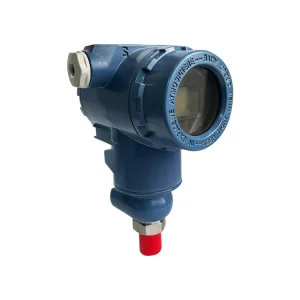
Explore our full line of industrial pressure transmitters, bimetal thermometers, digital displays, and specialized explosion-proof gauges.
 Accuracy Instrument