Whitepaper & OEM Manufacturing Insights

OEM Pressure Gauge Temperature Effect: Technical Principles, Thermal Compensation & China Factory Sourcing

An authoritative engineering guide on thermal expansion coefficients, ambient vs. process temperature drift mitigation, microfused silicon architecture, and OEM supply chain integration.

Featured OEM Instruments

Precision Pressure Measurement & Thermal Sensing Portfolio

Engineered for extreme thermal stability, ISO 9001 compliance, and zero-leak reliability under harsh ambient and process fluid variations.
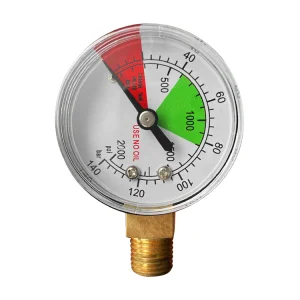
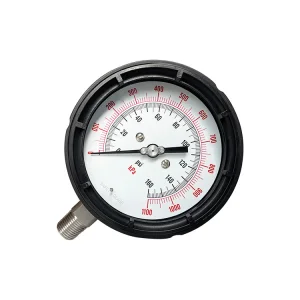
CE Certification Black Steel Oxygen Pressure Gauge
CE Certification Black Steel Oxygen Pressure Gauge 0–140 Bar / 2000 PSI, ¼ NPT Radial Mount
View Specifications
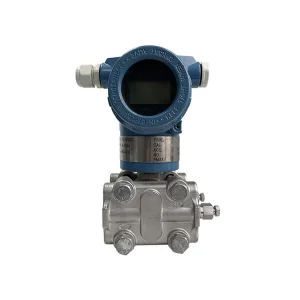
OEM 3051 Differential Pressure Transmitter
OEM 3051 Differential Pressure Transmitter - High Precision Sensors for Accurate Industrial Measurements
View Specifications
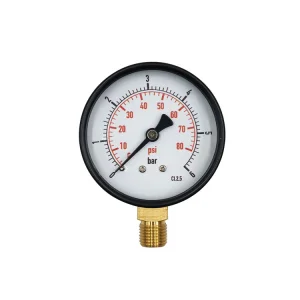
CE Certification 4.5 160 PSI Common Rail Pressure Gauge
CE Certification 4.5" 160 PSI Common Rail Pressure Gauge - Premium Quality China Factory Direct
View Specifications
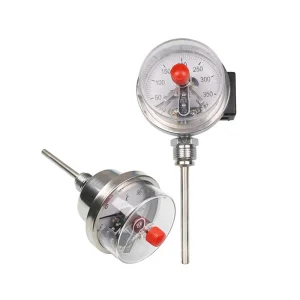
Bi-metal Thermometer 100mm Electric Switch Contacts
Bi-metal Thermometer 4" 100mm with Electric Switch Contacts - Industrial Switch Equipment
View Specifications
OEM 2.5 Black Steel Mechanical Pressure Gauge
OEM 2.5" Black Steel Mechanical Pressure Gauge - Heavy Duty Air Manometer Factory Direct
View Specifications
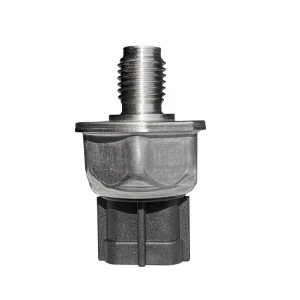
Glass Microfused Pressure Sensor 0.5% FS
High Accuracy Glass Microfused Pressure Sensor 0.5% FS for Oil, Gas & Hydraulic Systems
View Specifications
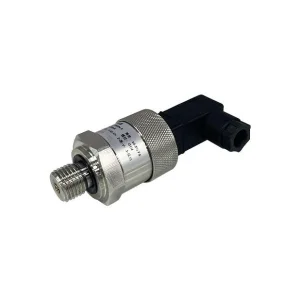
OEM Ceramic Pressure Sensor Transmitter
OEM AKS Industrial Ceramic Pressure Sensor Transmitter with Hirschmann DIN Connector
View Specifications
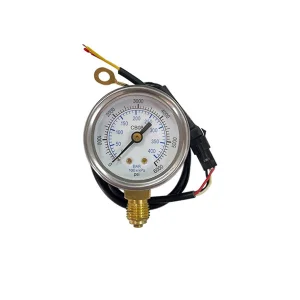
CNG Compressed Natural Gas Pressure Gauge
CNG Compressed Natural Gas Pressure Gauge for Automotive Systems - High Shock Resistance
View Specifications
20+
Years Industry Experience
2.0M+
Annual Unit Output
±0.04%
Thermal Coefficient Drift/°C
30+
Global Export Markets
Fundamental Metrology & Physics

Understanding the Mechanics of Temperature Effect on Pressure Gauges

Thermal fluctuation is the single largest contributor to measurement error in mechanical and electromechanical pressure instrumentation. OEM design engineering must account for both elastic modulus shifts and volumetric expansion.

1. Young’s Modulus Temperature Shift ($E_{temp}$)

In mechanical pressure gauges utilizing a Bourdon tube (C-type, helical, or spiral), pressure is inferred through the elastic deformation of metallic walls (Phosphor Bronze, SS316L, or Inconel). As the ambient or process temperature rises, the material's modulus of elasticity ($E$) decreases.

This reduction renders the sensing element more flexible, resulting in a false high reading. According to EN 837-1 standards, calibration is performed at a reference baseline of 20°C (68°F). Thermal deviation introduces a proportional span error calculated via international metrological guidelines.

2. Volumetric Expansion of Liquid Fill Media

Liquid-filled pressure gauges (glycerin, silicone oil, or fluorolube) are utilized to dampen mechanical vibration and pressure spikes. However, liquid fill media possesses a coefficient of thermal expansion ($\beta$) substantially higher than the metallic case casing (SS304/SS316).

When sealed gauges operate in high ambient temperatures, internal volumetric expansion compresses trapped air within the case, creating internal backpressure. This backpressure exerts force on the exterior of the Bourdon element, leading to a zero shift and negative reading bias unless properly compensated via liquid-fill compensation diaphragms or venting mechanisms.

Standard Metrological Thermal Drift Equation (EN 837-1 Standard):

ΔP = ± 0.04 × (T2 - T1) % of Full Scale Value (FS)

Where T1 = Reference Temperature (+20°C baseline), T2 = Ambient or Process Operational Temperature.
For example, an uncompensated SS316L pressure gauge operating in an desert environment (+60°C ambient) experiences a baseline offset of: ±0.04% × 40 = ±1.6% Full Scale Additional Thermal Error.
Liquid Fill Media Operational Temp Range (°C) Expansion Coeff. (1/K) Thermal Drift Profile Primary OEM Application
Glycerin (99.5%) -20°C to +65°C 0.00061 High Viscosity at Low Temps; Moderate Zero Offset Standard Industrial Hydraulics & Compressors
Silicone Oil (M50) -40°C to +100°C 0.00096 Linear Viscosity; Low Drift across Cryo/High Temp Outdoor Power Plants, Extreme Climates
Fluorolube / Halocarbon -40°C to +175°C 0.00082 Inert, Non-flammable; Stable Zero Offset Gaseous Oxygen (O2), Chlorine & Oxidizing Gases
Dry (Unfilled w/ Shock Dampener) -40°C to +200°C (Direct) N/A Zero Hydraulic Backpressure Shift High Temp Steam & Boiler Systems
OEM Engineering Solutions

Advanced Engineering Technologies for Temperature Compensation

To maintain ±0.5% to ±1.0% accuracy across broad thermal operating windows (-40°C to +150°C), Huzhou Accuracy Instrument integrates multi-layered compensation mechanisms into OEM pressure gauge architectures.

Bimetallic Linkage Compensation

For mechanical dial gauges, our R&D team incorporates a precision bimetallic strip within the segment gear linkage. The bimetallic element flexes inversely to thermal expansion, dynamically adjusting the movement leverage ratio to cancel out Young's modulus degradation in real-time.

Thermal Siphons & Cooling Towers

When measuring media exceeds +100°C (e.g., superheated steam, thermal oil), direct contact damages internal seals and shifts calibration. We supply integrated OEM cooling towers, pigtail siphons, and capillary tube extensions that drop process fluid temperatures by up to 150°C before reaching the Bourdon tube.

Microfused ASIC Digital Compensation

In electronic pressure transmitters (such as our 3051 DP series and glass microfused pressure sensors), active temperature compensation is achieved via internal PT1000 sensors coupled with custom ASIC microcontrollers, executing 3rd-order polynomial temperature correction math in microsecond cycles.

Factory Capabilities & Production Engineering

Huzhou Accuracy Instrument: Supply Chain & OEM Manufacturing Leadership

Combining 20 years of pressure gauge manufacturing expertise with modern automated calibration labs and agile supply chain logistics.

High-Volume Precision Manufacturing Ecosystem

Located in Huzhou, Zhejiang, China, our 3,000 square meter manufacturing facility houses fully automated CNC machining cells, laser welding stations, and high-precision temperature simulation pressure chambers. We maintain strict control over every stage of assembly—from raw Bourdon tube drawing to helium leak testing.

  • Annual Capacity: Over 2,000,000 pressure gauges, sensors, and bimetal thermometers produced annually.
  • Automated Laser Calibration: Robotic calibration rigs eliminate human error, ensuring ±0.5% FS accuracy across all production batches.
  • Environmental Stress Screening: 100% of OEM high-temp models undergo thermal cycling tests from -40°C to +120°C in environmental test chambers.
  • Material Traceability: Complete EN 10204 3.1 material certificates for SS316L, Hastelloy C-276, and Monel wetted parts.

Why Global OEMs Partner With Us

1. Cost-Engineered Precision: By leveraging China’s mature industrial cluster in Zhejiang, we deliver European-grade metrology at a 30-45% Total Cost of Ownership reduction.

2. Fully Customized Dial & Housing OEM Solutions: Dial faces, dual-scale units (Bar/PSI/KPa), corporate logos, custom thread fittings (NPT, BSP, G, JIS), and color-coded safety zones engineered to order.

3. Zero-Defect Quality Mandate: ISO 9001:2008 certified manufacturing operations supported by ISO 17025 metrology calibration lab protocols.

Procurement & Strategic Sourcing

Global Enterprise Sourcing Framework for Temperature-Critical Gauges

Procurement directors and system integrators must evaluate total performance specifications, ambient environment factors, and vendor compliance capabilities prior to standardizing instrument bills of materials (BOM).

1. Operating Ambient vs. Process Fluid Profiling

Enterprise buyers must explicitly define min/max ambient temperatures (including direct sun exposure) alongside continuous process fluid temperatures. Selecting liquid fill options (e.g. Silicone M50 vs Dry w/ Dampener) based on thermal operating profiles prevents premature dial clouding and scale drift.

2. Ingress Protection & Case Compensation Seals

For outdoor installations subjected to rapid ambient temperature changes (e.g. day-to-night thermal swings), pressure gauges require IP65 or IP67 IP ratings featuring a flexible internal fill-plug compensation diaphragm (venting valve) to relieve internal casing pressure.

3. Supply Chain Resilience & Batch Consistency

Evaluating vendor manufacturing scalability ensures batch-to-batch repeatability. Huzhou Accuracy Instrument utilizes statistical process control (SPC) to verify that thermal coefficient variance between production lots remains below ±0.005%/°C.

Compliance & Regional Standards

International Quality Accreditations & Regional Adaptability

Compliance with global industrial standards ensures seamless integration into North American, European, and Asian energy and chemical infrastructure projects.

Global Metrological & Pressure Directives

Our OEM manufacturing lines strictly adhere to international pressure vessel and measuring instrument mandates:

  • EN 837-1 / EN 837-3: European standard for Bourdon tube and diaphragm pressure gauges.
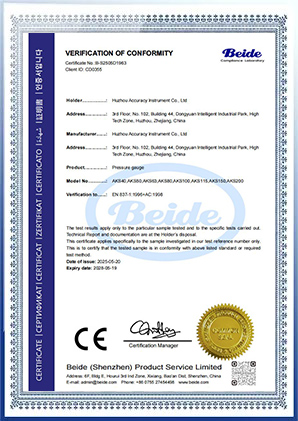
  • CE Certification: Compliance with Pressure Equipment Directive (PED 2014/68/EU) and Electromagnetic Compatibility (EMC Directive 2014/30/EU).
  • ATEX / IECEx Explosion Proof: Certified spark-proof electrical contacts for bi-metal thermometers and pressure switches operating in hazardous Zone 1 / Zone 2 environments.
  • RoHS & REACH: Lead-free solder, non-toxic glycerin fill, and heavy metal-free wetted materials.

Localized Connection & Thread Standardization

To support global field deployment, our factory offers comprehensive mechanical fitting options customized to target geographic markets:

  • North America: ANSI/ASME B1.20.1 NPT threads (1/4" NPT, 1/2" NPT male/female).
  • Europe & UK: ISO 228-1 G parallel threads (G1/4", G1/2") with elastomer sealing washers.
  • Japan & East Asia: JIS B0203 PT (R/Rc) tapered pipe threads.
  • Sanitary / Hygienic: Tri-Clamp quick-release fittings (ISO 2852 / DIN 32676) for food & pharma applications.
Application Scenarios

Engineering Case Studies Across Temperature-Challenged Industries

Real-world operational environments demanding high thermal tolerance and pressure monitoring precision.

1. Petrochemical & Refining Steam Lines

High-pressure superheated steam lines operating at 180°C introduce extreme process heat. By installing Huzhou Accuracy's all-stainless steel 100mm Bourdon gauges paired with SS316L cooling towers, thermal energy dissipates safely, ensuring ±1.0% accuracy without seal deterioration.

2. CNG Vehicle Refueling Systems

Fast-filling CNG dispensing units experience sudden adiabatic cooling down to -30°C due to rapid gas expansion (Joule-Thomson effect). Our specialized CNG pressure gauges feature low-temp silicone seals and microfused sensor cores that prevent freeze-up and needle sticking.

3. Cryogenic Gaseous Oxygen (O2) Storage

Liquid oxygen tanks mandate oil-free gauge internal spaces to prevent catastrophic combustion risks at cryogenic temperatures (-40°C ambient). Our CE-certified black steel and stainless steel oxygen gauges undergo strict solvent degreasing and carbon tetrachloride dry cleaning.

Frequently Asked Questions

Expert FAQ: Pressure Gauge Thermal Performance & Sourcing

Technical answers to common engineering, procurement, and metrological questions regarding temperature effects on industrial gauges.

Q: How do I calculate the total accuracy error of a pressure gauge when operating outside the 20°C calibration temperature?
To calculate total operational error, combine the gauge's baseline accuracy class (e.g., Class 1.0 = ±1.0% FS) with the thermal drift error. Using the EN 837-1 formula: Additional Thermal Drift = ±0.04% × |T_operating - 20°C| % of FS. For a Class 1.0 gauge operating at 50°C (30°C delta), additional error is 30 × 0.04% = ±1.2%. The total maximum expected operational error is ±1.0% + ±1.2% = ±2.2% Full Scale.
Q: What is the difference between ambient temperature effect and process fluid temperature effect?
Ambient temperature effect refers to the surrounding air temperature acting on the pressure gauge casing, dial, and internal movement. Process temperature effect refers to the thermal energy conducted directly from the measured media (liquid/gas) through the threaded connection to the Bourdon tube. Both affect elastic modulus, but process temperature can be mitigated using cooling siphons, diaphragm seals, or capillary tubes.
Q: Why does liquid fill inside a gauge sometimes discolor or leak when operating in hot environments?
Standard glycerin liquid fill oxidizes and discolors to a brownish tint when exposed to continuous ambient temperatures above +65°C (+149°F). Furthermore, thermal volumetric expansion of glycerin increases internal case pressure. If the case fill rubber plug is not vented or if temperature limits are exceeded, internal pressure forces fluid past housing seals. For ambient temps exceeding 65°C, high-temperature silicone oil (M50) or dry gauges with mechanical shock absorbers must be specified.
Q: Can Huzhou Accuracy Instrument customize temperature-compensated gauges with customer branding for OEM projects?
Yes, as a specialized OEM/ODM manufacturer, we provide complete custom engineering. This includes customized dial faces featuring your company logo, customized scale ranges (PSI, Bar, KPa, MPa), custom thermal compensation linkages, specialized wetted materials (SS316L, Hastelloy, Monel), and custom mounting brackets with flexible MOQ thresholds for international buyers.
Q: What capillary length is recommended when isolating high-temperature media from pressure transmitters?
As a standard engineering rule, a 1-meter armored stainless steel capillary tube filled with high-temperature silicone oil drops process temperature by approximately 80°C to 100°C under ambient room conditions. For process media at +300°C, a 2-meter capillary tube paired with a diaphragm seal ensures process heat reaching the transmitter sensor head remains comfortably below +70°C.
Q: What quality certificates are provided with OEM shipments from your factory in China?
Every production batch shipped from Huzhou Accuracy Instrument is accompanied by Factory Test Certificates in compliance with EN 10204 3.1, CE Compliance Certificates, ISO 9001 quality control documentation, and optional ISO 17025 third-party metrological calibration reports upon request.
About Our Manufacturing Facilities

Huzhou Accuracy Instrument Co., Ltd.

Two decades of continuous innovation in mechanical pressure measurement, thermal instrumentation, and digital pressure transceivers.
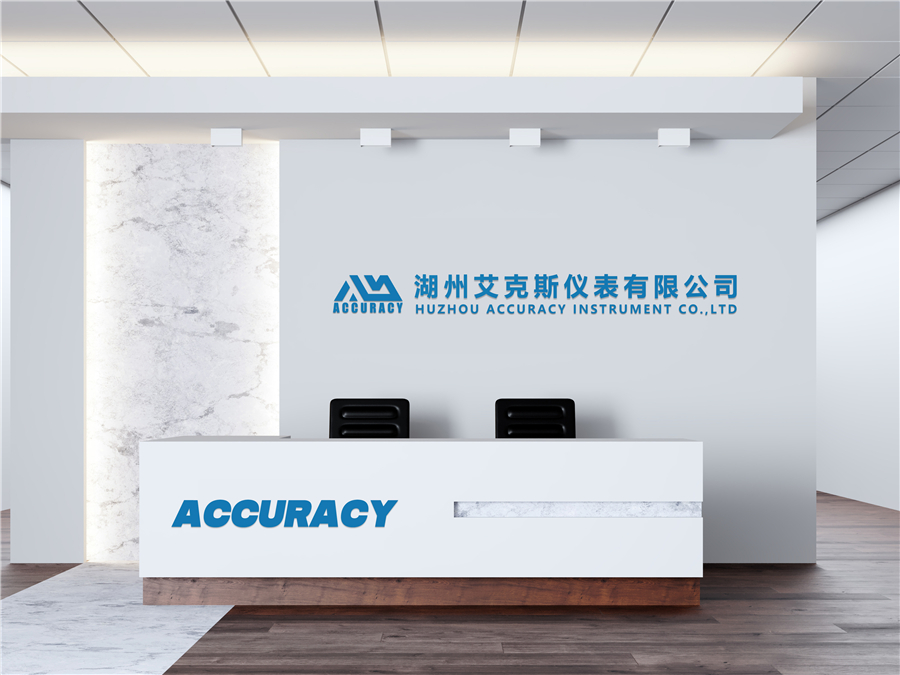
Huzhou Accuracy Instrument Factory Infrastructure
20 YEARS OF EXPERIENCE AND RESEARCH

Huzhou Accuracy Instrument CO LTD is professionally engaged in the development, sales and service of industrial mechanical pressure gauges, bi-metal thermometers, SF6 manometer, pressure sensor. Products are widely used in various applications such as Mechanical Engineering, Chemical Engineering, Food Industry, Pharmaceutical, and high technology electric appliances.

Established over two decades ago, our pressure gauge manufacturing facility spans 3,000 square meters, equipped with advanced production lines and rigorous quality control systems. As an industry leader, we integrate innovation with precision engineering to deliver reliable measurement solutions for global clients.

Core Technical Capabilities:
  • R&D Team (20 Specialists): Material innovation, smart sensor integration, ISO & API compliance.
  • Production Workforce (120 Technicians): Automated assembly & laser calibration rigs.
  • Sales & Support Unit (15 Professionals): 24/7 technical consultation across 30+ countries.
  • Quality Commitment: 100% pressure cycle testing, ISO 9001 and ISO 17025 lab standards.

Certificate Display & ISO Compliance

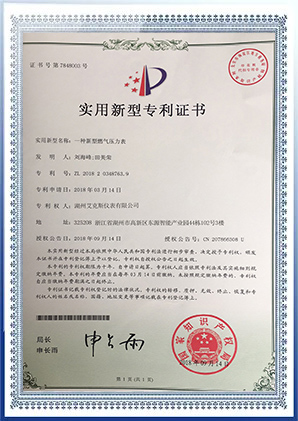
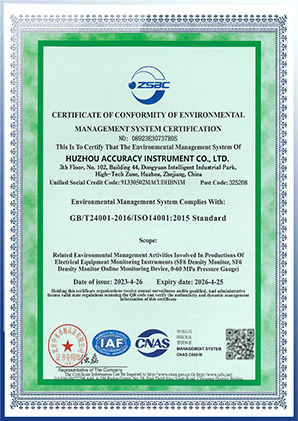
We have long followed the concept of "reasonable price, accurate delivery, good quality" and several business management models to keep our production quality above the required benchmark under ISO9001:2008 certified.
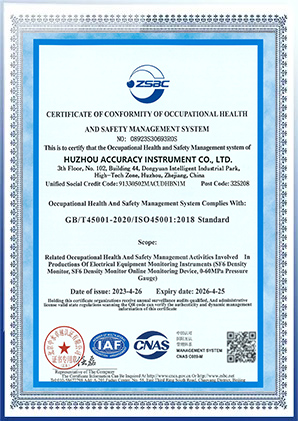
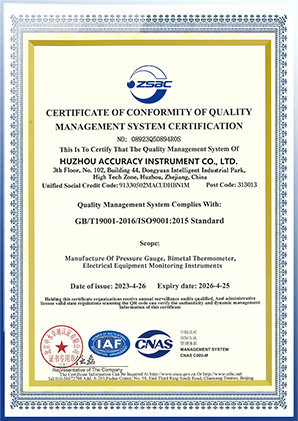
ISO Quality Certificate 1
ISO Quality Certificate 2
CE Certificate 3
CE Certification 4
Manufacturing Certification 5
Quality Compliance Certificate 6
Factory Catalog

Industrial Pressure Gauges & Temperature Instrumentation

Explore our expanded OEM line of explosion-proof diaphragm seal gauges, microfused sensors, and capillary thermometers.
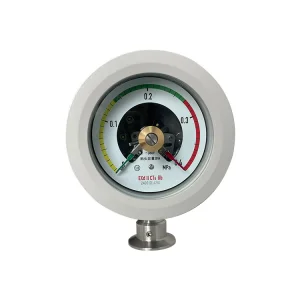
OEM Electric Contact Diaphragm Seal Pressure Gauge
OEM Electric Contact Diaphragm Seal Pressure Gauge 0.6 MPa - Explosion-Proof Design
View Specifications
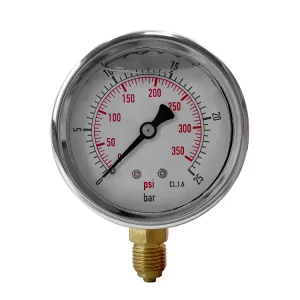
CE Certification 63mm Oil-Filled Pressure Gauge
CE Certification 63mm Oil-Filled Bottom Mount Pressure Gauge - Shock Resistant Brass
View Specifications
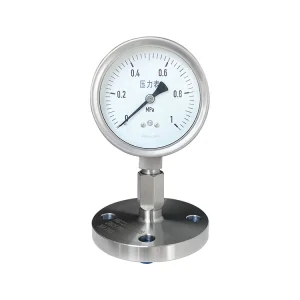
China 4 Flanged Diaphragm Pressure Gauge
China 4″ Flanged Diaphragm Pressure Gauge – Stainless Steel Stainless, 0–1 MPa Range
View Specifications
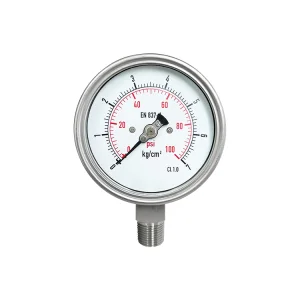
CE Certification 100 PSI Bourdon Pressure Gauge
CE Certification 100 PSI Bourdon Pressure Gauge – Stainless Steel Radial Mount
View Specifications
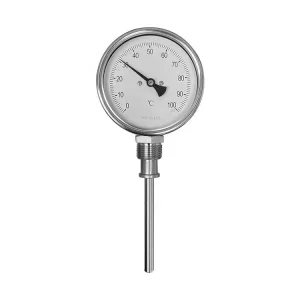
OEM Bottom Direct Mounting Bi-metal Thermometer
OEM Bottom Direct Mounting Bi-metal Thermometer - Accurate Temperature Measurement
View Specifications
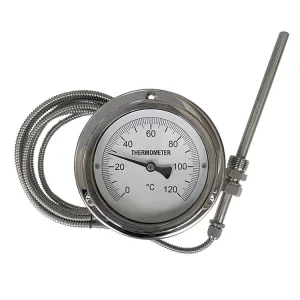
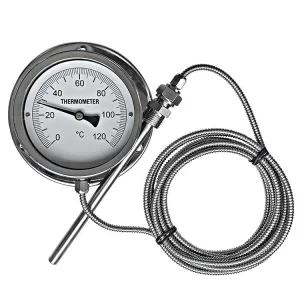
China Remote Reading Capillary Thermometer
China Remote Reading Capillary Thermometer - Industrial Remote Temperature Monitoring
View Specifications
OEM High-Precision Bottom Mounted Capillary Thermometer
OEM High-Precision Bottom Mounted Capillary Thermometer - Factory Direct Calibration
View Specifications
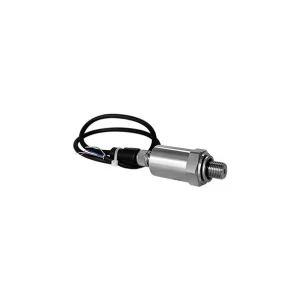
OEM Corrosion-Resistant Ceramic Pressure Transmitter
OEM Corrosion-Resistant Ceramic Pressure Transmitter for Chemical & Process Applications
View Specifications