Explore our premium OEM/ODM pressure measurement solutions built for rugged industrial, automotive, and high-precision applications globally.
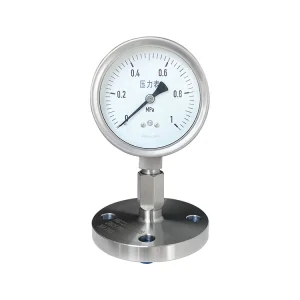
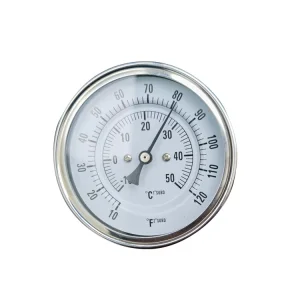
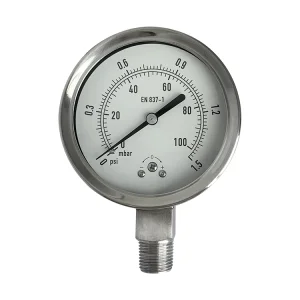
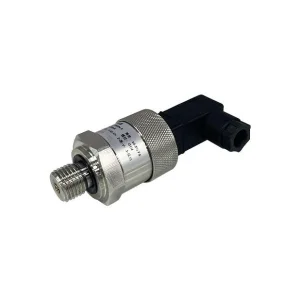
Understanding precision operational workflows for commercial fleet maintenance, industrial pneumatics, and off-the-road (OTR) heavy machinery calibration.
Proper inflation pressure measurement requires strict adherence to standardized mechanical verification processes to eliminate human error, atmospheric variance, and mechanical friction inside the valve stem.
Always inspect tire pressure when the rubber compound is at ambient ambient temperature ("cold pressure"). Vehicles should be stationary for at least 3 hours or driven less than 1.6 km (1 mile) prior to testing. Heat generated during operation expands internal air volume, artificially swelling reading levels by 3 to 6 PSI.
Unscrew the valve stem dust cap. Clean particulates, mud, or grease around the Schrader valve pin. Debris entering the gauge nozzle during engagement will damage internal Bourdon tubes or piezo-resistive ceramic sensors, leading to permanent zero-point bias.
Press the gauge chuck firmly and straight onto the valve stem. Angle misalignment causes air escaping (hissing sound), yielding false low readings. Maintain uniform axial pressure until the pointer stabilizes (analog dial) or the LCD reading locks (digital strain gauge).
Compare the measured gauge pressure against OEM specifications (typically located on the vehicle's B-pillar placard or machine engineering manual). Cross-reference ambient temperature shifts using the ideal gas formula factor (+1 PSI per 10°F / 5.6°C increase).
Industrial procurement teams must specify the exact gauge architecture based on environmental ruggedness, duty cycles, and accuracy grades (ASME B40.100).
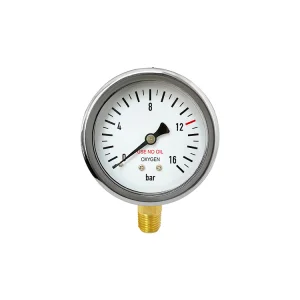
Utilizes a C-shaped or helical brass/stainless steel spring tube. Highly durable, operational without batteries, immune to electromagnetic interference (EMI). Preferred for heavy truck workshops, OEM factory fitting, and extreme temperature environments (-40°C to +80°C).
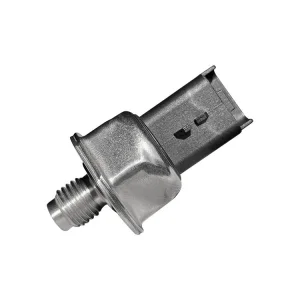
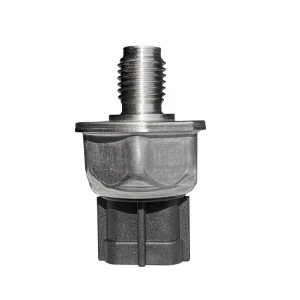
Integrates piezoresistive silicon chips or micro-fused ceramic elements. Delivers high accuracy up to ±0.25% FS. Features auto-zeroing, unit conversion (PSI, Bar, kPa, kg/cm²), and backlight illuminated readings for commercial fleet diagnostics.
Uses an internal piston calibrated against a spring. Lightweight and low-cost, but susceptible to mechanical friction, wear, and spring fatigue. Generally restricted to low-precision consumer emergency kits.
How precise pressure control drives operational efficiency, safety compliance, and carbon footprint reduction across international industries.
Under-inflation by just 10% reduces tire tread lifespan by up to 15% and increases fuel consumption by 2.5%. Global logistics giants utilize dual-foot calibrated gauges and integrated TPMS transmitters sourced from specialized Chinese suppliers to optimize total cost of ownership (TCO).
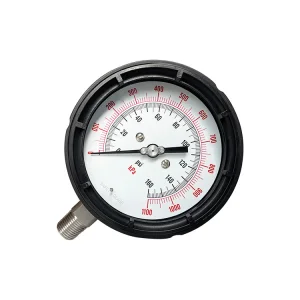
Earthmoving equipment tires represent massive capital expenditures. Operating 63-inch giant mining tires under harsh thermal and load stress demands liquid-filled shock-proof pressure gauges capable of withstanding extreme vibration and pressure spikes up to 150 PSI.
Aircraft landing gear pressures must remain within ultra-strict tolerances (often exceeding 200–300 PSI). Certified high-pressure gauges with stainless steel diaphragm seals and nitrogen compatibility are mandated for airfield maintenance units worldwide.
Decodes the industrial ecosystem, high-speed automated production, and stringent quality matrix that make Chinese instrument factories the world standard.
China’s instrument manufacturing clusters integrate raw brass forging, precision stainless steel tube drawing, CNC thread machining, dynamic balance dial printing, and spring heat treatment within a tight geographic radius. This minimizes lead times and raw material inflation risks.
Leading factories replace manual dial alignment with multi-point automated laser calibration systems. Every gauge mechanism is electronically tested across zero, mid-scale, and full-scale deflection, guaranteeing compliance with EN 837-1 and ASME B40.100 standards.
Through massive scale and optimized logistics, Chinese factories offer high-end stainless steel liquid-filled gauges and micro-fused digital transmitters at a fraction of Western manufacturing costs without compromising accuracy grades or corrosion resistance.
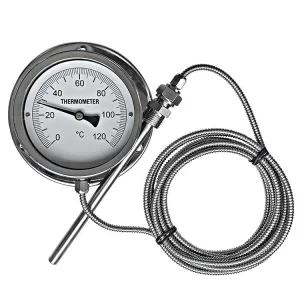
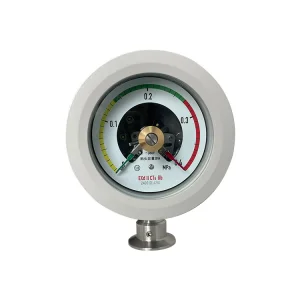
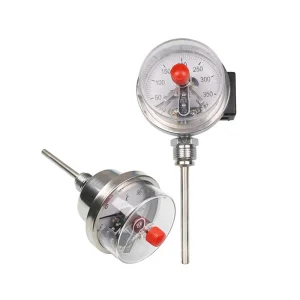
Huzhou Accuracy Instrument CO LTD is professionally engaged in the development, sales, and service of industrial mechanical pressure gauges, bi-metal thermometers, SF6 manometers, and advanced pressure sensors. Our products are widely deployed in Mechanical Engineering, Chemical Engineering, Food Industry, Pharmaceutical, and high-technology electric appliances.
Established over two decades ago, our manufacturing facility spans 3,000 square meters, equipped with state-of-the-art automated assembly lines, laser calibration units, and environmental simulation testing labs. As an industry leader, we integrate material science with precision engineering to deliver reliable measurement solutions for international B2B clients.
We adhere to "reasonable price, accurate delivery, exceptional quality" under ISO9001:2008 standards.
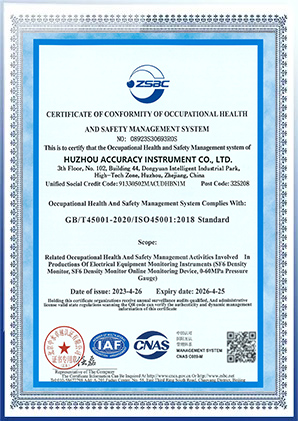
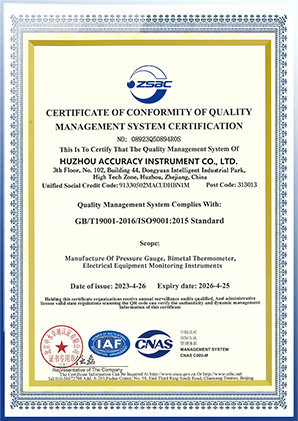
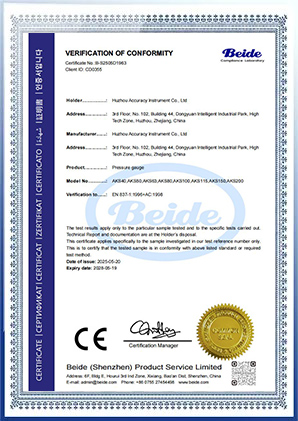
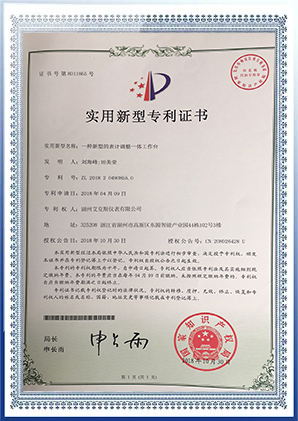
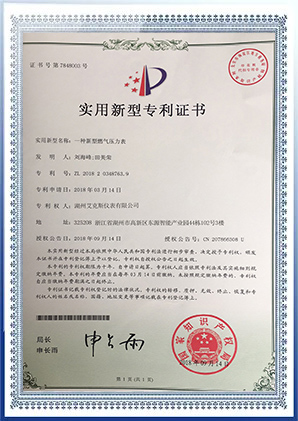
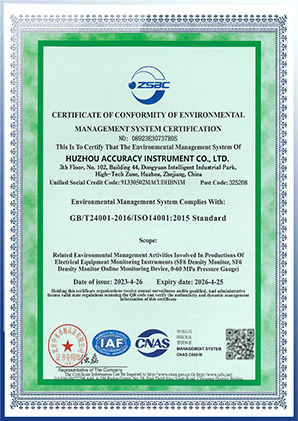
Key technical parameters global buyers must audit when issuing Requests for Quotation (RFQs) to Chinese suppliers.
Dial Size & Case Material: Standard sizes range from 40mm, 50mm, 63mm (2.5"), 100mm (4"), to 160mm. Select 304 or 316L stainless steel for marine and corrosive chemical environments; black painted steel for standard indoor applications.
Wetted Parts & Stem Materials: Copper alloy / brass for non-corrosive air and water lines. Stainless steel or ceramic diaphragms for aggressive media, hydraulic oils, and high-purity gases.
Connection Threads: Specify regional thread standards: NPT (North America), BSP/G (Europe & Asia), Metric (M20x1.5), or flanged connections for sanitary pharmaceutical processes.
Vibration Damping (Liquid Filling): High-vibration machinery (compressors, heavy trucks) requires Glycerin (86.5% or 99.5%) or Silicone oil filling to damp pointer movement, prevent tooth gear wear, and lubricate internal linkages.
Ingress Protection Rating: Outdoor fleet checking or harsh washdown zones require IP65, IP67, or IP68 dust-proof and waterproof enclosures to prevent internal lens fogging and corrosion.
Custom OEM/ODM Requirements: Private label dial artwork, dual-unit scales (PSI/Bar), custom color warning bands, electrical contact switches for automatic alarm triggers, and specialized rubber protective boots.
How Chinese factories are pioneering smart pressure gauges with remote telemetry, high-voltage SF6 monitoring, and micro-fused silicon sensors.
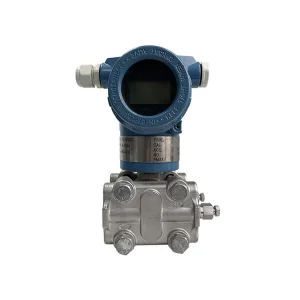
Modern commercial tire gauges are transitioning from isolated hand-held units to Bluetooth 5.0 and LoRaWAN wireless connected devices. Real-time pressure and temperature telemetry are uploaded directly to cloud management platforms, enabling predictive maintenance algorithms for fleet operators.
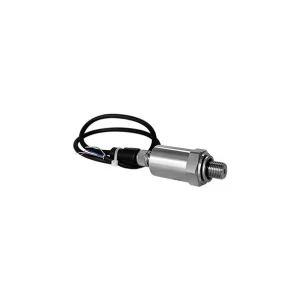
By eliminating organic adhesives, micro-fused silicon pressure sensors bond directly to stainless steel or ceramic diaphragms using high-temperature glass frit. This delivers zero creep, high shock tolerance (over 500% burst pressure), and extreme thermal stability across harsh industrial environments.
Electrical power distribution networks require ultra-reliable SF6 gas density monitors with gas-density temperature compensation. Chinese suppliers lead the global market in providing hermetically sealed SF6 manometers for high-voltage switchgear safety.
Expert insights on gauge operation, calibration, supplier selection, and maintenance troubleshooting.
For heavy fleet maintenance and industrial workshops, gauges should undergo calibration testing every 6 to 12 months using a NIST-traceable reference standard deadweight tester. Severe drop impacts or exposure to over-pressure spikes warrant immediate recalibration.
Tire pressure increases approximately 1 PSI for every 10°F (5.6°C) rise in internal temperature caused by road friction and ambient heat. OEMs mandate checking cold pressure to establish baseline carcass stability and load capacity without thermal distortion.
ASME Grade A permits an error margin of ±2% in the middle half of the scale and ±3% at the lower and upper limits. Grade B permits ±3% mid-scale and ±5% at limits. Premium Chinese industrial gauges often achieve Grade 2A (±0.5%) or Grade 1A (±1%).
Glycerin or silicone oil inside the casing dampens pointer flutter, absorbs mechanical shocks from engines or pumps, lubricates internal gear segments, and prevents condensation from clouding the dial lens.
Yes. Huzhou Accuracy Instrument Co., Ltd. provides full OEM/ODM customization, including screen-printed brand logos, customized color-coded pressure zones, multi-unit scales (Bar/PSI/kPa), and custom rubber boots.
Standard model MOQs typically start at 500 units for custom printed dials, while standard stock industrial gauges can be fulfilled in smaller batch samples for testing and evaluation.
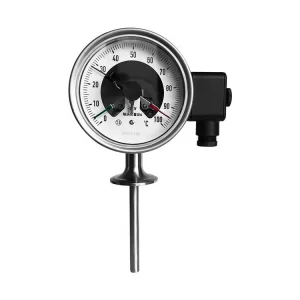
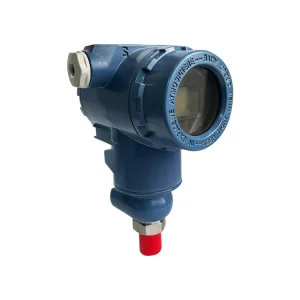
Explore our complete engineering catalog of SF6 density monitors, micro-fused pressure sensors, and bimetallic temperature control instruments.
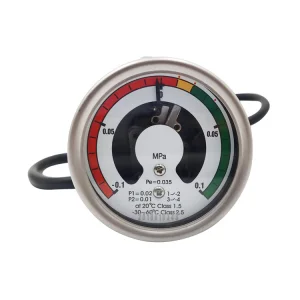
 Accuracy Instrument