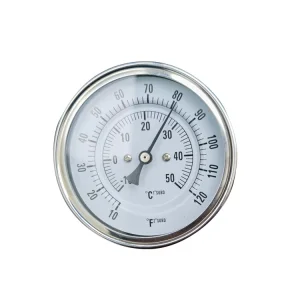
Explore our core series of micro-bore thermal systems, differential pressure transmitters, gas density monitors, and laser-welded sensor elements manufactured to ISO 9001 and ISO 17025 precision benchmarks.
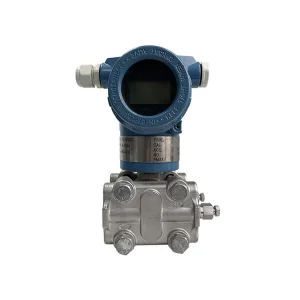
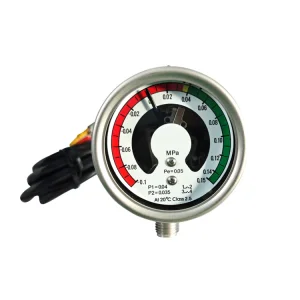
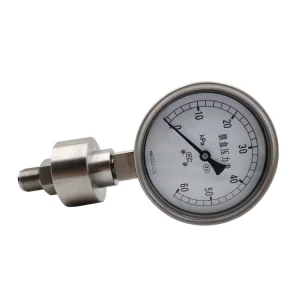
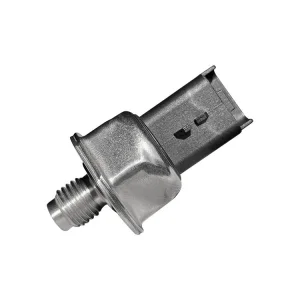
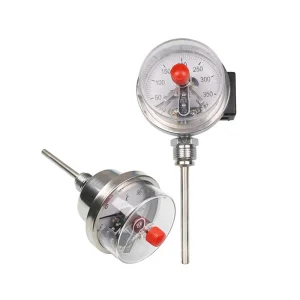
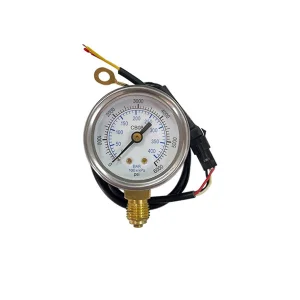
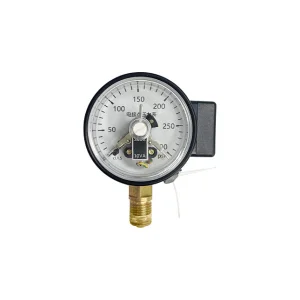
In modern thermometry and pressure instrumentation, the thermometer capillary bore represents the foundational core of fluid expansion dynamics, thermal signal transmission, and remote temperature sensing. Whether implemented within liquid-in-glass laboratory standards, bimetallic remote capillary sensing systems, or gas-actuated expansion thermometers, the dimensional stability, interior geometric concentricity, and volumetric accuracy of the capillary bore directly dictate the instrument’s accuracy class, response time, and long-term calibration retention.
A thermometer capillary bore is an ultra-fine, highly calibrated internal channel formed within glass, stainless steel (e.g., 316L, 304), or copper alloy tubing. The physics of liquid expansion thermometry rely on Charles's Law and volumetric thermal expansion (ΔV = V₀ · β · ΔT), where a minute volumetric shift in the sensing bulb forces a readable linear displacement along the capillary bore. Consequently, any variation in inner diameter (ID) along the capillary length introduces nonlinear reading errors and hysteresis.
Micro-bore dimensions ranging from 0.05 mm to 0.50 mm (±0.001 mm tolerance). Precision optical glass drawing process prevents micro-ovality, guaranteeing linear liquid column progression without meniscus distortions.
Utilizing high-grade Borosilicate Glass 3.3, lead-free soda lime, and armored 316 Stainless Steel sheathing to provide extreme corrosion resistance, thermal shock durability up to 600°C, and structural longevity.
Engineered for seamless interaction with organic red spirit, blue eco-fill liquids, silicone heat-transfer fluids, or SF6 gas media, mitigating thermal lag and avoiding bubble entrainment during sudden thermal spikes.
| Capillary Material Class | Standard Bore Range (mm) | Concentricity Tolerance | Max Operating Temp (°C) | Primary Industrial Applications |
|---|---|---|---|---|
| Borosilicate 3.3 Glass Capillary | 0.05 – 0.25 mm | ±0.0015 mm | -80°C to +500°C | Precision Lab Standard Thermometers, Medical & HVAC Control |
| Armored 316L SS Capillary Tube | 0.15 – 0.50 mm | ±0.0020 mm | -200°C to +650°C | Remote Reading Bimetal Thermometers, Petrochemical & Cryogenics |
| Refined Copper Alloy Capillary | 0.10 – 0.40 mm | ±0.0025 mm | -40°C to +250°C | Refrigeration Thermostats, Automotive CNG Systems & SF6 Monitoring |
| Prismatic Yellow/White Backed Glass | 0.08 – 0.30 mm | ±0.0010 mm | -50°C to +300°C | High-Visibility Visual Thermometers, Chemical Reactor Vessels |
The global demand for high-reliability thermometer capillary bores and filled thermal expansion systems is experiencing a structural surge. Driven by stringent environmental regulations (such as clean energy transition, SF6 switchgear monitoring, and HVAC efficiency), global EPC contractors, OEM instrument manufacturers, and process control integrators are shifting their procurement strategies toward specialized China-based manufacturing hubs capable of delivering millimeter-exact specifications at scale.
1. Environmentally-Safe Non-Mercury Liquid Fill Mandates: Global directives (RoHS, REACH, Minamata Convention) have phased out mercury thermometers, creating massive replacement demand for high-precision capillaries engineered for organic spirits and hydrocarbon-based fill fluids with higher viscosity coefficients.
2. Smart HV Grid Infrastructure Expansion: High-voltage power stations require continuous monitoring of SF6 gas density. Specialized micro-capillaries and diaphragm-seal interfaces are vital for accurate gas leak detection without calibration drift over 20+ year operational lifespans.
3. Clean Energy & Automotive Integration: CNG (Compressed Natural Gas) vehicles and hydrogen storage require vibration-resistant, shock-proof pressure and temperature gauges with micro-bore capillaries capable of enduring extreme cyclic pressure spikes.
International enterprise buyers in Europe, North America, and Southeast Asia evaluate capillary bore vendors not only on unit FOB price, but on comprehensive quality criteria:
China has evolved into the premier manufacturing center for industrial mechanical pressure and temperature instrumentation. By integrating Industry 4.0 smart manufacturing technologies, Chinese leaders—such as Huzhou Accuracy Instrument Co., Ltd.—have revolutionized capillary tube production through automated laser-guided drawing processes, AI-driven optical bore inspection, and end-to-end quality traceable manufacturing lines.
By controlling every step from raw capillary bore extrusion to final laser-welded diaphragm assembly and automated calibration, China’s industrial ecosystem offers unmatched anti-fragility, rapid prototype turnaround (less than 7 business days), and cost-optimized volume output for worldwide OEM distributors.
Precision capillary tubes and remote temperature assemblies fulfill zero-fail requirements across hostile operational environments. Below are critical engineering application domains:
Challenge: Sulfur hexafluoride (SF6) gas in power distribution transformers requires hermetic density monitoring to prevent arcing and environmental contamination.
Solution: OEM SF6 Gas Density Monitors utilizing temperature-compensated capillary systems and micro-fused pressure sensors, providing zero-drift alert signals across ambient variations (-40°C to +60°C).
Challenge: Corrosive fluids, continuous high-vibration equipment, and CIP/SIP sterilization in pharma plants can ruin standard immersion sensors.
Solution: CE-Certified Laser Welded Diaphragm Seal Gauges connected via armored stainless steel capillary lines. Isolates process fluid while transmitting micro-bar pressure changes with ±0.5% precision.
Challenge: Natural gas vehicles undergo severe road vibration, high moisture exposure, and pressure swings up to 300 bar.
Solution: Shock-resistant CNG pressure gauges with capillary impulse dampeners and integrated 5V/12V electrical contacts, ensuring safe dashboard telemetry and automated gas shut-off safety loops.
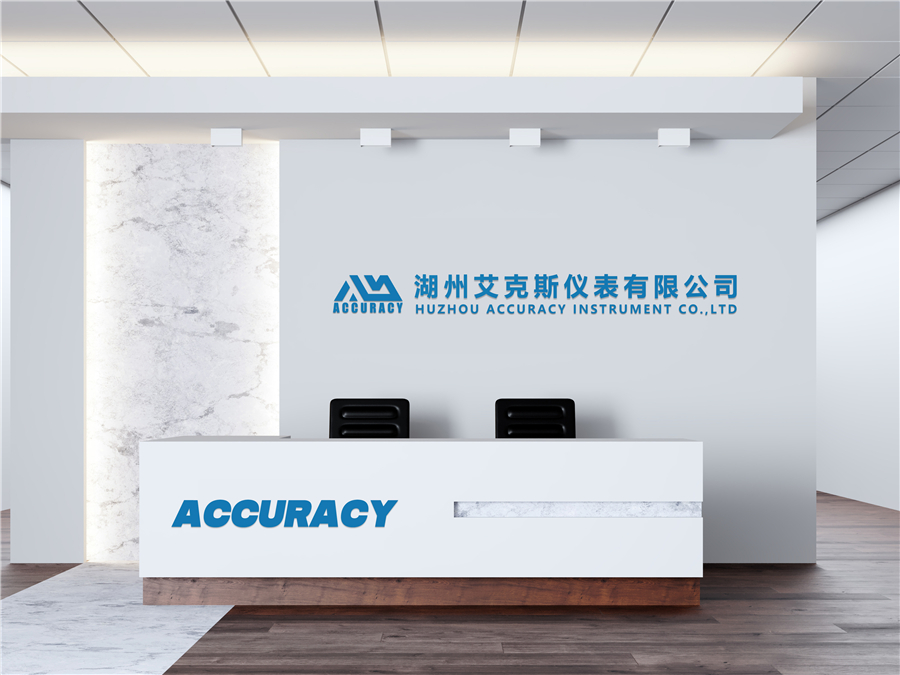
Huzhou Accuracy Instrument CO LTD is professionally engaged in the development, sales and service of industrial mechanical pressure gauges, bi-metal thermometers, SF6 manometer, pressure sensor. Products are widely used in various applications such as Mechanical Engineering, Chemical Engineering, Food Industry, Pharmaceutical, and high technology electric appliances.
Established over two decades ago, our pressure gauge manufacturing facility spans 3,000 square meters, equipped with advanced production lines and rigorous quality control systems. As an industry leader, we integrate innovation with precision engineering to deliver reliable measurement solutions for global clients.
R&D Department (20 specialists): Focuses on material innovation, smart sensor integration, and compliance with international standards (e.g., ISO, API).
Production Workforce (120 technicians): Utilizes automated assembly and laser calibration technologies to ensure product durability and accuracy.
Sales & Service Unit (15 professionals): Provides 24/7 technical support and customized solutions across 30+ countries.
Annual output exceeds 2 million units, covering industrial-grade gauges (e.g., stainless steel gauge, black steel gauge, shock-proof gauge, sf6 gauge, thermometer, pressure sensor) for oil/gas, HVAC, and pharmaceutical sectors.
Products exported worldwide, with certifications including ISO, SGS, and CE, earning recognition for corrosion resistance and ±0.5% precision.
Our laboratory conducts 100% pressure cycle tests and environmental simulations, adhering to ISO 9001 and ISO 17025 standards. Continuous improvement drives our reputation for "zero-leak" performance in extreme conditions, supported by a one-year warranty.
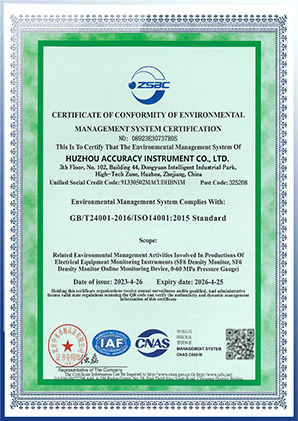
We have long followed the concept of "reasonable price, accurate delivery, good quality" and several business management models to keep our production quality above the required benchmark under ISO9001:2008 certified.
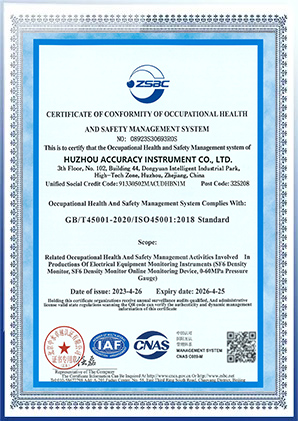
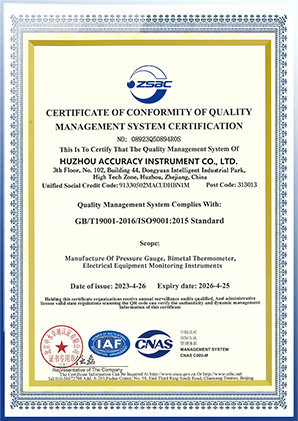
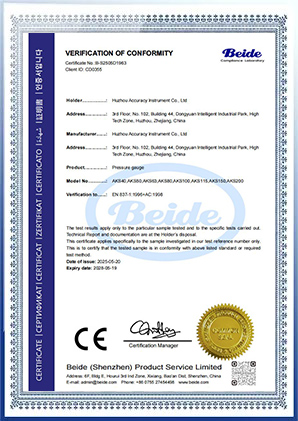
Answers to crucial commercial and engineering questions regarding thermometer capillary bore specifications, OEM customization, factory audits, and supply chain logistics.
Standard industrial precision capillaries feature inner bore diameters ranging from 0.05 mm to 0.50 mm with tight geometric tolerances of ±0.001 mm to ±0.0025 mm. Higher precision laboratory grades utilize ultra-precise optical drawing techniques to achieve concentricity deviations under 1.5%, guaranteeing linear liquid column movement across the entire temperature scale.
Leading factories like Huzhou Accuracy Instrument Co., Ltd. utilize high-pressure solvent ultrasonic degreasing followed by high-vacuum heat baking at temperatures exceeding 300°C. Nitrogen gas purging is applied before final hermetic sealing to ensure zero moisture, organic residue, or particulate entrapment inside the capillary bore.
Armored stainless steel capillaries support a wide spectrum of liquid fills depending on application temperatures: organic red spirit (-50°C to +200°C), non-toxic blue eco-fluids (-30°C to +150°C), high-temperature silicone oils (-40°C to +400°C), and inert gas fills (e.g., Nitrogen or Argon) for gas-actuated systems operating up to +650°C.
For standard models, prototype samples are dispatched within 3 to 5 business days. Full-scale production contracts (10,000+ units) typically carry a lead time of 2 to 3 weeks. Expedited freight options and buffer inventory stocking programs are available for long-term contract partners.
Yes. We offer complete OEM/ODM engineering services, including custom capillary lengths (from 0.5 meters to 15 meters with stainless steel spiral armor), customized dual-unit dial printing (e.g., °C/°F, PSI/Bar), adjustable electrical contact switches, and custom process connection threads (NPT, BSP, Metric).
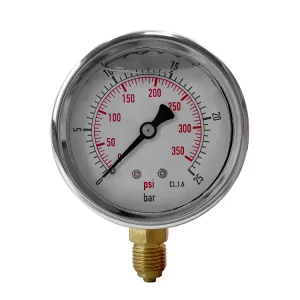
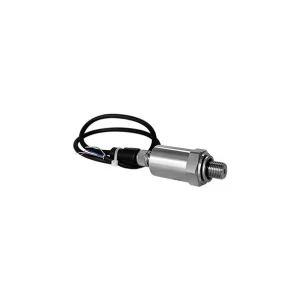
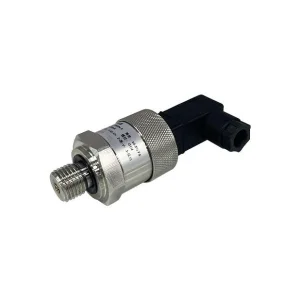
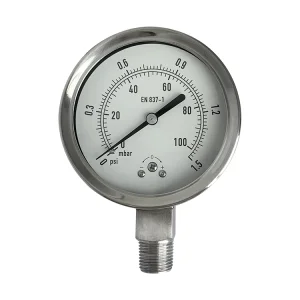
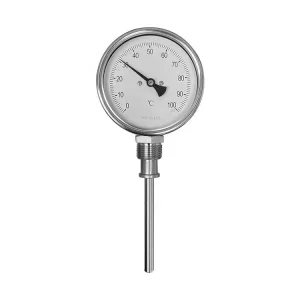
Discover our complete portfolio of shock-resistant pressure gauges, bimetallic thermometers, SF6 monitors, and ceramic pressure transmitters for global industrial deployment.
 Accuracy Instrument